Dell Rises 4% and HP 6% Premarket. Cisco Sinks 7%. What’s Causing the Biggest Premarket Moves?
Lenovo just handed PC and server makers a stunning earnings surprise overnight, and the ripple effects are tearing hardware stocks in opposite directions before the open. What separates the winners from the one notable casualty comes down to a single,…


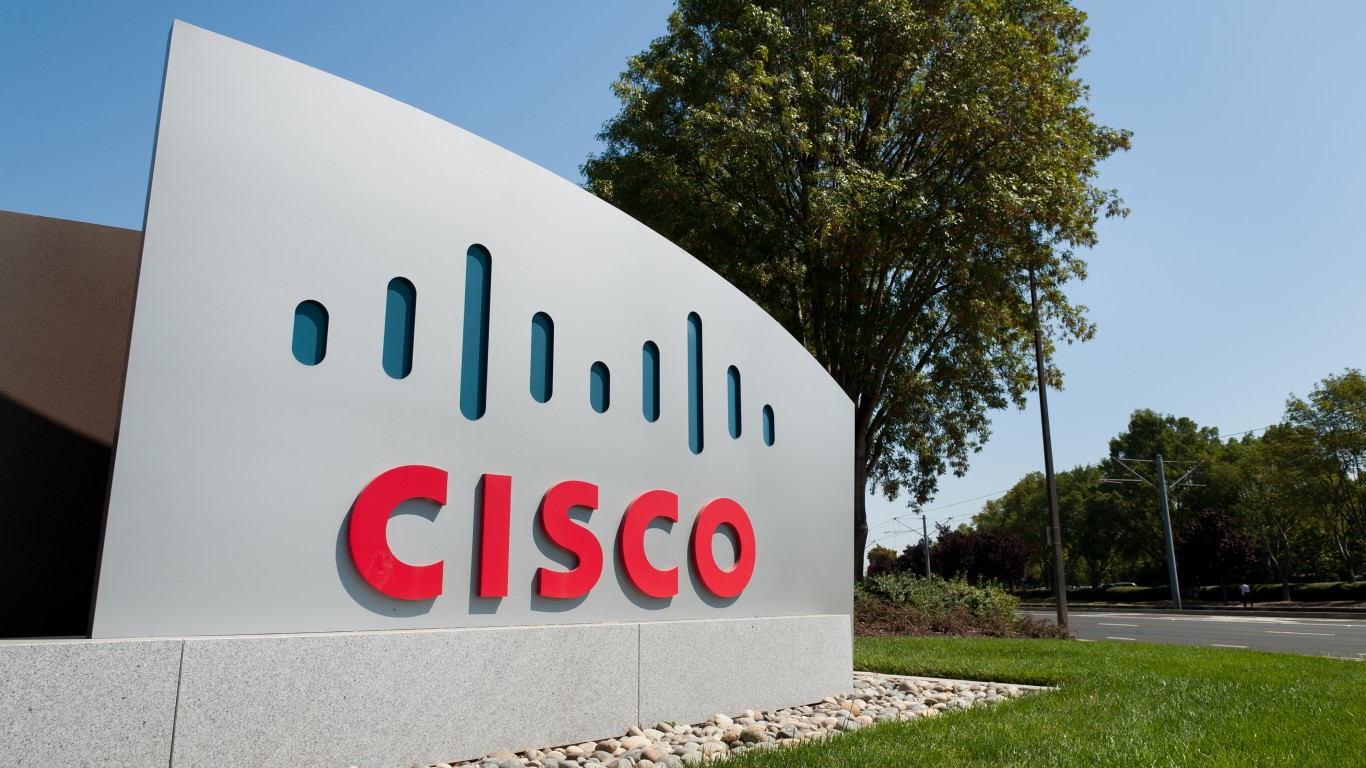
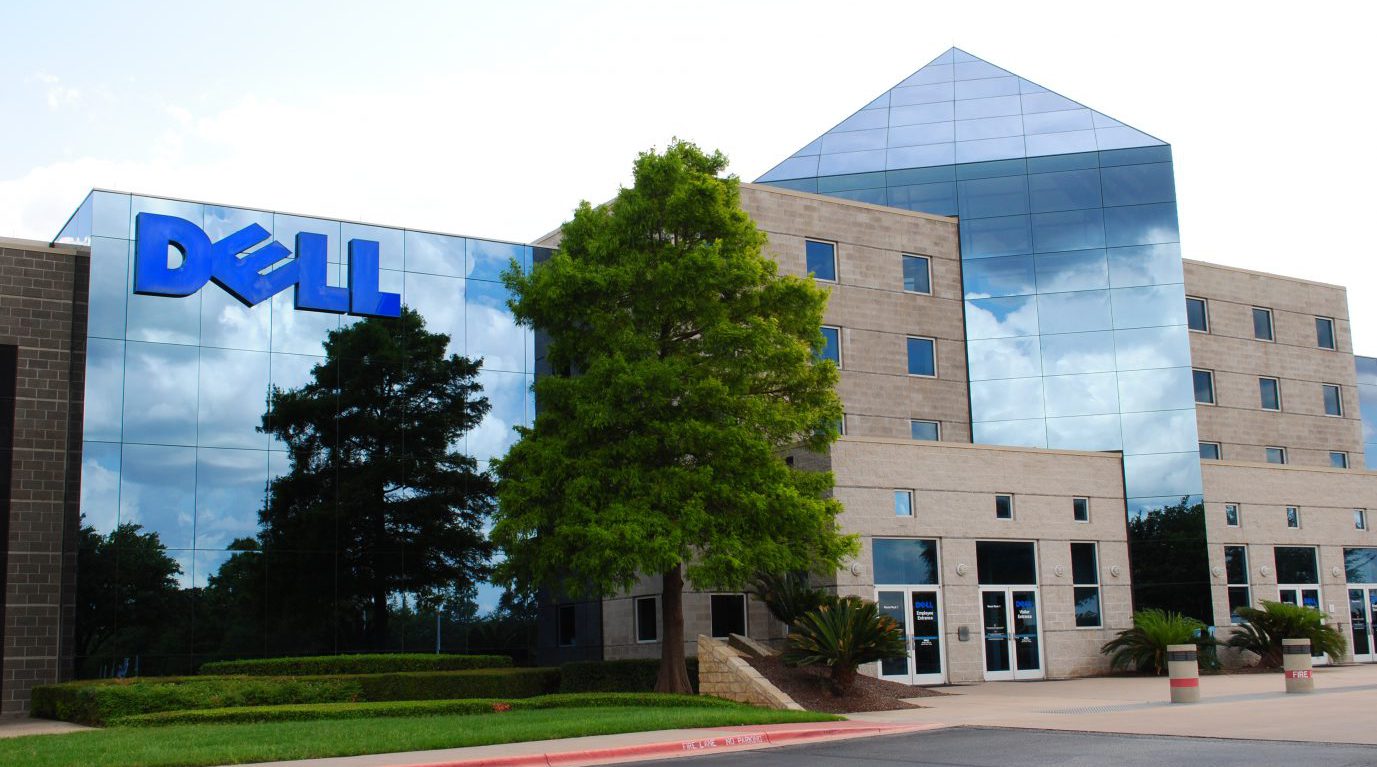
Hardware stocks are splitting Thursday morning. Dell Technologies (NYSE:DELL | DELL Price Prediction) is indicated up 4% premarket and HP (NYSE:HPQ) is up 6%, while Cisco Systems (NASDAQ:CSCO) is down 7%. Two separate catalysts are driving the divergence: a blowout quarter out of Lenovo overnight and Cisco’s own fiscal fourth quarter results after Wednesday’s close. Premarket levels can shift by the bell.
Lenovo Blowout Lifts Dell and HP
Lenovo, listed in Hong Kong, reported quarterly revenue up 43%, its fastest growth in five years and a record high for the group, with server turnover doubling on an AI infrastructure boom. Lenovo shares jumped roughly 20% and hit a record high, and WSJ reported revenue beat expectations on robust AI demand.
The read-across matters because Lenovo competes head to head with HP Inc. in PCs and with Dell in both PCs and AI servers. The bear case on PC makers this year has been memory cost inflation. Counterpoint Research reported in July that a memory crunch ended the PC recovery, with global shipments declining for the first time since Q1 2025, and Lenovo itself had flagged a prolonged memory crunch earlier this year. That Lenovo grew 43% anyway suggests AI-driven server and premium PC demand is more than offsetting component cost pressure. That is a bullish tell for both peers.
Dell Technologies
Dell closed Wednesday at $485, up roughly 10% on the session and 288% year to date. Its most recent report showed Servers and Networking revenue of $12.944 billion, up 69% YoY, and management raised full-year AI server shipment guidance to $20 billion. Lenovo’s server results reinforce that setup.
HP Inc.
HP is the PC and print business. It is a different company from Hewlett Packard Enterprise, which reports in September. HPQ closed Wednesday at $29, up roughly 35% year to date. Its last report featured Personal Systems revenue growth of 13%, with commercial PCs up 14% on AI PC adoption.
Cisco Sells Off Despite a Clean Beat and Raise
Cisco’s fiscal fourth quarter was, on paper, a beat and raise. Revenue came in at Revenue jumped 18% to $17.25 billion, ahead of the $16.84 billion analysts modeled. On the bottom line, Adjusted EPS increased to $1.22 from $0.99 a year ago, topping the Street’s $1.17. Product strength was the story underneath, with Product sales climbed 24% to $13.46 billion, exceeding expectations of $13.04 billion. CFO Mark Patterson said, “In (the fourth quarter), we delivered record revenue, non-GAAP operating income and EPS, all exceeding the high end of our guidance ranges and demonstrating strong financial discipline and operating leverage.”
Guidance was also above consensus. Cisco called for fiscal first quarter adjusted EPS of $1.32 to $1.34 and revenue of $18 billion to $18.2 billion, against Street views of $1.16 and $16.83 billion, and full-year fiscal 2027 adjusted EPS of $5.05 to $5.11 versus the $4.83 estimate, and revenue of $72.2 billion to $73.4 billion versus $69.12 billion. Reported details are available in the company’s 8-K filing.
So why the drop? Positioning going in explains it. The stock is up nearly 61% this year as of Wednesday’s close (roughly 63% YTD through Aug. 12), meaning a beat and raise was largely priced in. The one soft line was services revenue, flat year over year at $3.79 billion and short of FactSet-polled consensus of $3.81 billion. Arista Networks (NYSE:ANET) also reported stronger than expected second quarter results last week with a strong third quarter outlook, raising the bar for Cisco heading in. Shares declined 3.9% in after-hours trading, and the premarket move has deepened.
What to Watch at the Open
Two questions frame the session. First, whether Dell and HP hold their premarket gains once the AI infrastructure trade fully digests Cisco’s 66.3% gross margin (down from 68.4%) on the same AI mix shift. Second, whether the Cisco drawdown stays contained to CSCO or spreads to Arista and other networking names as analyst notes hit the wire.
Contact [email protected] for any questions or corrections.
Eric Bleeker, CFA has been investing for more than 20 years. He began his career working at Microsoft before joining Motley Fool, one of the largest publishers of financial research. In his 15 years at Motley Fool Eric served as the General Manager for Fool.com and led coverage in the Technology & Telecom sector. In addition, he was a featured columnist and has hosted dozens of investing seminars attended by more than a million total investors. Eric has more than 1,000 financial bylines to his name and has been featured in The Wall Street Journal, CNBC, Fox Business, and many other leading publications. He is currently focused on artificial intelligence investing and is a CFA Charterholoder.