




Anthropic filed confidentially for a US initial public offering with the Securities and Exchange Commission on June 1, 2026, reportedly targeting a Nasdaq listing in September or early October at a valuation near $965 billion, with Goldman Sachs, JPMorgan, and Morgan Stanley reportedly leading an offering aiming to raise more than $60 billion. If that listing arrives on schedule and Nasdaq applies the same accelerated inclusion rule it wrote for SpaceX, tens of millions of retirement accounts could become Anthropic shareholders without a single account holder placing an order. The SpaceX precedent shows exactly how that mechanism plays out.
The SpaceX Precedent
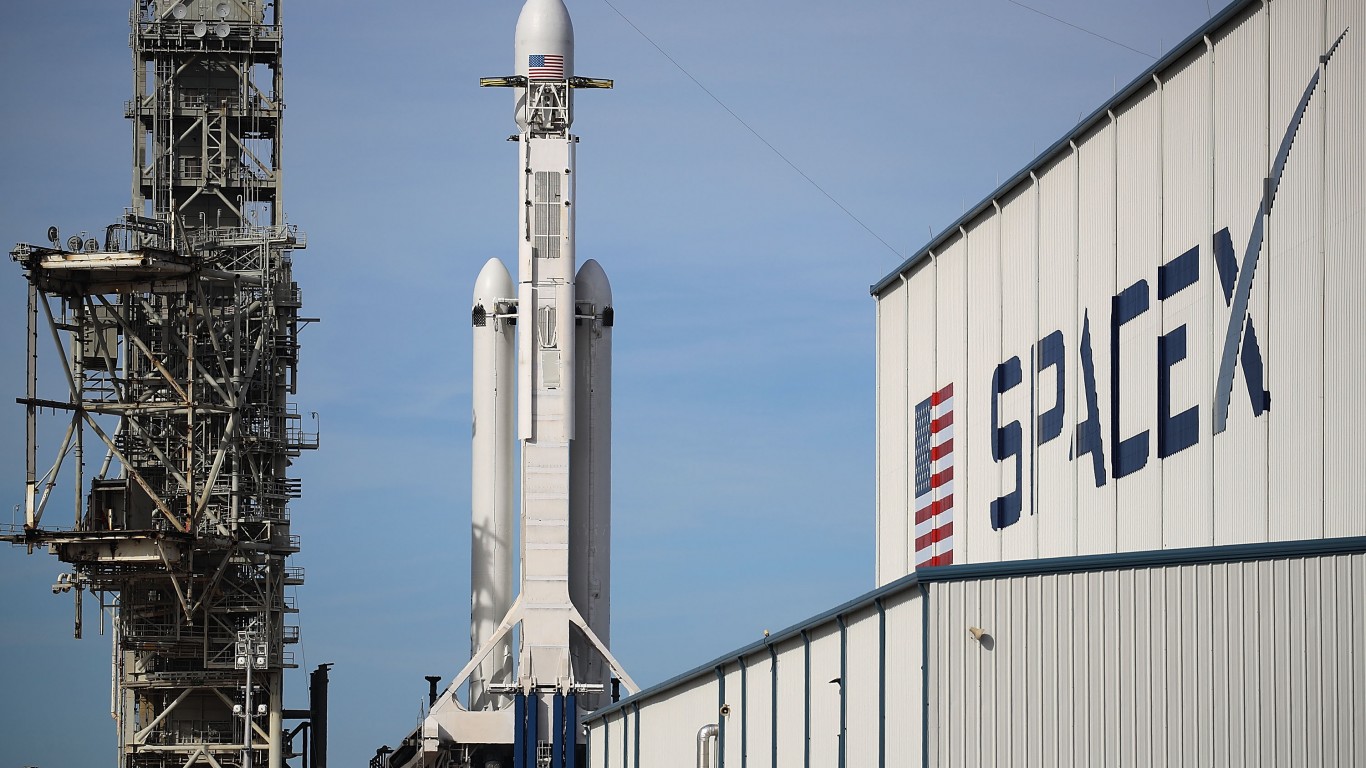
Space Exploration Technologies (NASDAQ:SPCX | SPCX Price Prediction) joined the Nasdaq-100 on July 7, 2026, after Nasdaq accelerated its eligibility rule for newly public mega-cap companies from 90 trading days to just 15. JPMorgan estimated Nasdaq-100-tracking funds, chiefly Invesco’s QQQ, needed to purchase roughly $4.3 billion of SpaceX shares, executed during the July 6 closing auction so portfolios would match the index at the next day’s open. ETF.com put total passive demand tied to Nasdaq-100-linked products into the tens of billions of dollars, with some estimates in the $22 billion to $27 billion range. The forced buying priced through around $160 per share. Index funds buy what the rulebook tells them to buy.
The Swing
SpaceX has been volatile since. Shares climbed as high as $225.64 shortly after its June IPO, then fell as low as $104.83 following its first quarterly report, which included more than $18 billion in quarterly AI infrastructure capital expenditures, and ahead of a first lockup expiration that made more than 900 million additional shares eligible for sale by October. At the low, the paper loss to index-fund holders on the forced buy was estimated at around $1.4 billion. As of the Aug. 13 close of $141.29, down 3.33% on the day, that estimated loss sits at roughly $500 million to $503 million, about 11.7% below the $160 forced-buy price. The stock recovered, rising 22.95% in the week from Aug. 6 to Aug. 13. SPCX remains volatile inside its $104.83 to $225.64 52-week range.
Why the Damage Is Contained
These are unrealized paper losses that can reverse as the stock moves. SpaceX represents about 0.9% of QQQ’s total portfolio, so Invesco QQQ Trust (NASDAQ:QQQ), which itself is up 19.17% year to date through Aug. 13, has absorbed the drag with room to spare. JPMorgan maintains an overweight rating on SpaceX and raised its price target to $240, above the 52-week high, signaling that forced buyers may yet come out ahead.
Back to Anthropic
Anthropic’s situation looks similar: a mega-cap listing on Nasdaq, a valuation near $2 trillion as reported by Fortune, and a rulebook that allows index inclusion within 15 trading days. Three things remain unsettled. Anthropic has not set a share price, share count, or confirmed listing date, and timing depends on market conditions, regulatory review, and investor demand. Nasdaq has not said it will apply the fast-track rule to Anthropic. And even if it does, resulting flows depend on float, weighting, and the price at which passive buyers get filled. Anthropic and OpenAI have both filed; prediction markets as of mid-August put roughly 83% odds on OpenAI listing first, so the order is not decided.
The Lesson
Index funds buy mechanically, following the rulebook. The SpaceX experience shows money moves in size, fast, and mark-to-market swings can erase or restore hundreds of millions of dollars in weeks. If Anthropic lists this fall near its reported valuation and Nasdaq treats it the way it treated SpaceX, holders of Nasdaq-100 funds inside 401(k)s and IRAs may have little say in becoming shareholders. Watch the Anthropic S-1 becoming public, any Nasdaq statement on eligibility, and the closing auction on the trading day before inclusion. That is where the check gets written.
Contact [email protected] for any questions or corrections.









 Top Gaining Stocks
 Top Losing Stocks