California Diesel Prices Hit Record $8.14 a Gallon as Global Oil Supply Takes Another Hit
A California gas station this weekend pinned its pump display at its physical maximum because the hardware could not show what the fuel actually cost. Two simultaneous chokepoints in the Middle East explain how diesel prices got here, and the…


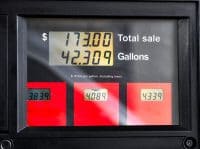
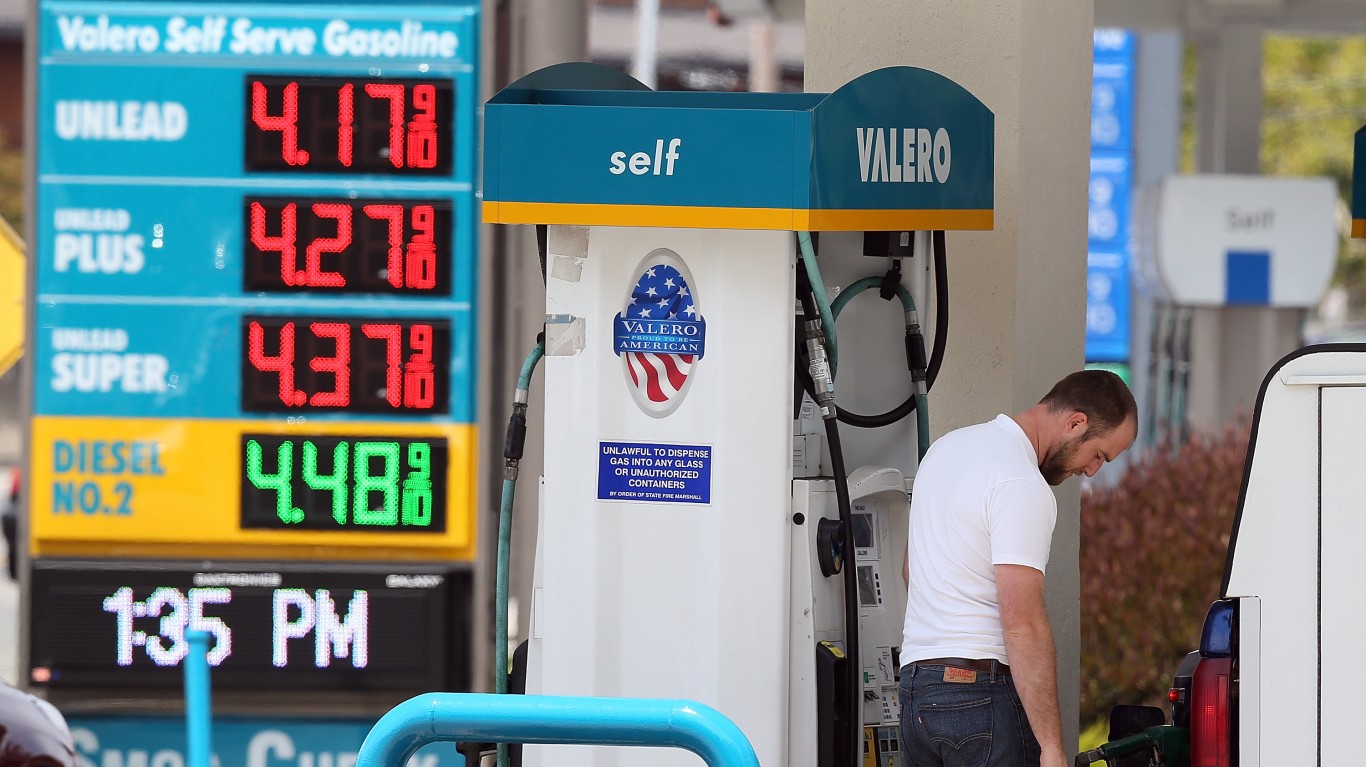
A gas station in California this weekend maxed out its pump display at $9.999 for diesel, unable to show what it actually needed to charge. That image, splashed across Bloomberg and Fortune over the past several days, is the concrete face of a supply shock that has been building since late winter and just took its worst turn yet. California’s statewide average diesel price hit $8.14 a gallon, a record, while the national average diesel price crossed $6.20 a gallon, also a first. Trucks still have to move. Farmers still have to harvest. Every one of those miles now costs materially more than it did in July.
Why the Pipeline Shutdown Changes the Math
The reason prices jumped this week, rather than last, is Saudi Arabia. Riyadh shut its East-West pipeline over the weekend, the line that was supposed to be the workaround if the Strait of Hormuz stayed closed. Reuters put the outage at roughly 4% of global oil supply. Brent responded immediately, closing at $109.51 a barrel on September 9, up from $68.53 on July 2. West Texas Intermediate, the U.S. benchmark, sits at $103.50 a barrel, up 22.3% in a month.
The Hormuz backdrop is the deeper problem. Nearly a fifth of global oil normally moves through that chokepoint, and it has been effectively shut since a late-February conflict. The Energy Information Administration’s May outlook assumed Middle East producers had shut in 10.5 million barrels per day in April, with peak shut-ins near 10.8 million b/d in May. Traffic through Hormuz is still running below its 10-day average. The alternative route around the Arabian Peninsula got more dangerous after Houthi forces seized a key island in the Bab al-Mandeb strait, squeezing the Red Sea corridor too.
Why California Hurts Worse
California always trades at a premium: isolated refining, a unique low-sulfur diesel spec, and the highest fuel taxes in the country. When global crude spikes and West Coast refiners cannot pull replacement barrels quickly, the state’s pump prices detach from the rest of the country. Retail displays built for a maximum of $9.999 were engineered in an era when nobody imagined a fourth digit. The Bloomberg-documented station that pinned at that ceiling is a hardware problem before it is a political one.
The national gasoline picture is milder but moving fast in the same direction. Regular gas averaged $4.16 a gallon on September 7, up from $3.78 on July 6. That is above the $4.00 “painful for budgets” threshold the EIA-derived guide flags. Households were already stretched. University of Michigan consumer sentiment sits at 55.2, still inside recessionary territory, and retail sales fell 0.6% in July to $763.6 billion.
What Breaks Next
Diesel is the input price to almost every physical good sold in America. A record diesel print rolls into grocery bills, Amazon shipping economics, and construction bids on a lag of roughly six to ten weeks. The headline Consumer Price Index was already at 334.980 in August. The September and October readings will show whether this crude spike is a one-quarter shock or the start of a re-inflation the Federal Reserve cannot ignore.
Two things to watch. First, whether Saudi Aramco restores the East-West line within days or weeks; the difference determines if Brent settles back toward $90 or grinds higher. Second, the EIA’s next weekly diesel report. If the national average pushes above $6.50, expect trucking bankruptcies and a fresh political fight over releasing distillate from the Northeast Home Heating Oil Reserve before winter.
Contact [email protected] for any questions or corrections.
After two decades of patrolling the dark corners of suburbia as a police officer, Rich Duprey hung up his badge and gun to begin writing full time about stocks and investing. For the past 20 years, he’s been cruising the markets looking for companies to lock up as long-term holdings in a portfolio while writing extensively on the broad sectors of consumer goods, technology, and industrials. Because his experience isn’t from the typical financial analyst track, Rich is able to break down complex topics into understandable and useful action points for the average investor. His writings have appeared on The Motley Fool, InvestorPlace, Yahoo! Finance, Money Morning, and, of course, 24/7 Wall St. He has been featured in both U.S. and international publications, including MarketWatch, Financial Times, Forbes, Fast Company, and USA Today.