





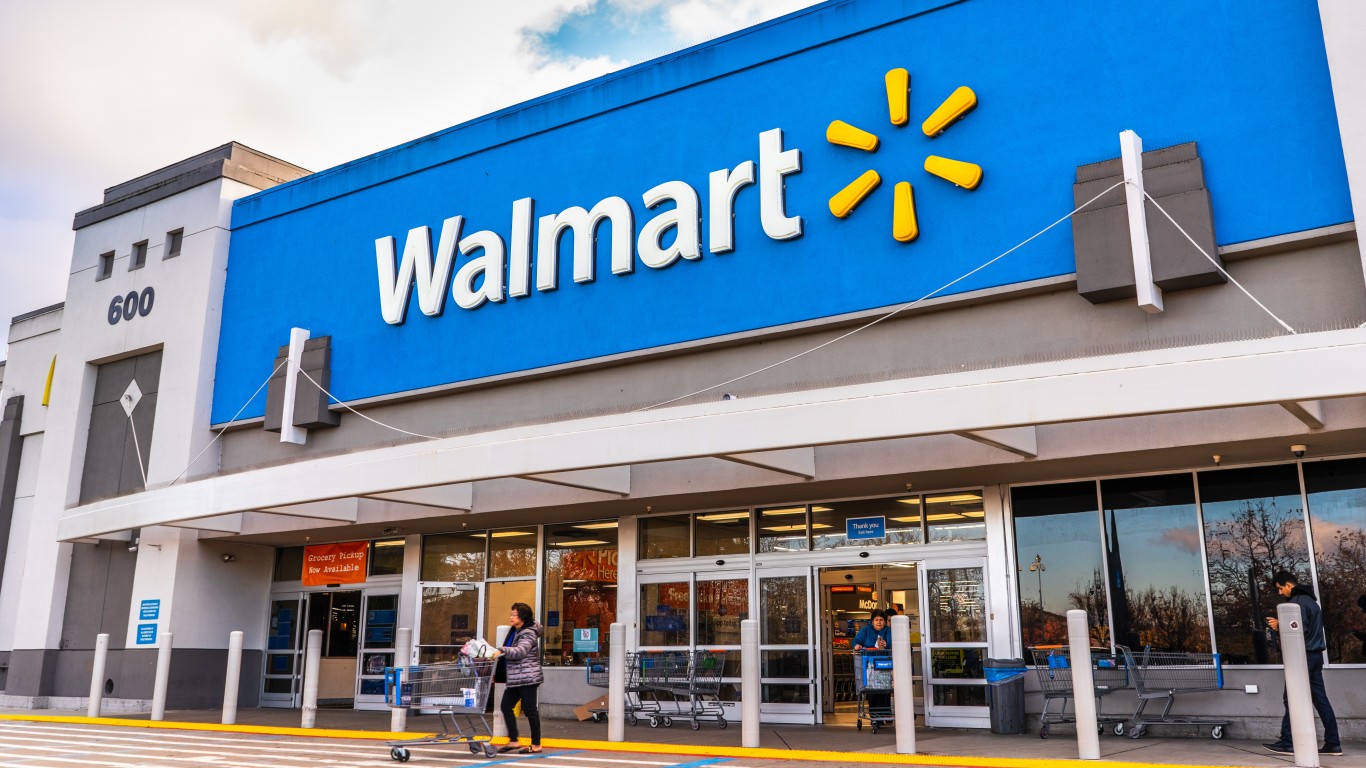
Walmart (NYSE:WMT | WMT Price Prediction) did the thing shareholders are supposed to want. It beat estimates. It raised full year guidance. And the stock still fell 9% on August 20, 2026, from $114.30 to $103.84. That is the worst earnings day reaction in Walmart’s last ten reported quarters, and the fourth straight earnings day decline.
Beat and Raise That Investors Refused to Buy
The numbers looked good on paper. Adjusted EPS of $0.81, beating the $0.7413 consensus, beating expectations, on revenue of $187.94 billion, up 6% year over year. Management lifted the FY27 outlook: adjusted EPS to $2.80 to $2.87 from $2.75 to $2.85, and constant currency sales growth to 4.0% to 5.0% from 3.5% to 4.5%.

CEO John Furner called it “another good quarter” with steady progress on long term drivers. The market disagreed, loudly.
Why the Margin Beat Was Treated as Borrowed
Here’s the crack under the beat. Gross profit rate improved 96 basis points to 25.4%, with Walmart U.S. gross margin up 158 basis points, powered by tariff refunds. CFO John David Rainey told analysts “Operating income growth included a net benefit of approximately 750 basis points related to tariff refunds received in Q2.”
Then he told everyone where that money is going. “A large portion of the refunds were invested at the end of Q2, so the full quarter impact of these investments is more pronounced in Q3.” Furner added “our intent was to deploy much of that back into price, and that’s what we’re doing.” Walmart U.S. ran more than 11,000 rollbacks during the quarter.
That is why Q3 guidance came in soft: adjusted EPS of $0.62 to $0.64, net sales growth of 3.0% to 3.75% in constant currency, with a Flipkart Big Billion Days timing headwind of over 100 basis points. And while operating income jumped 29%, net income fell 9% year over year, partly on a Symbotic mark and other items.
Buyback Irony and the Target Contrast
The optics get worse. Walmart repurchased 25.7 million shares for $3.0 billion in Q2 at an average price of $117.61, well above today’s $103.84 close. Management bought high, and the market marked it to a lower price the same week.

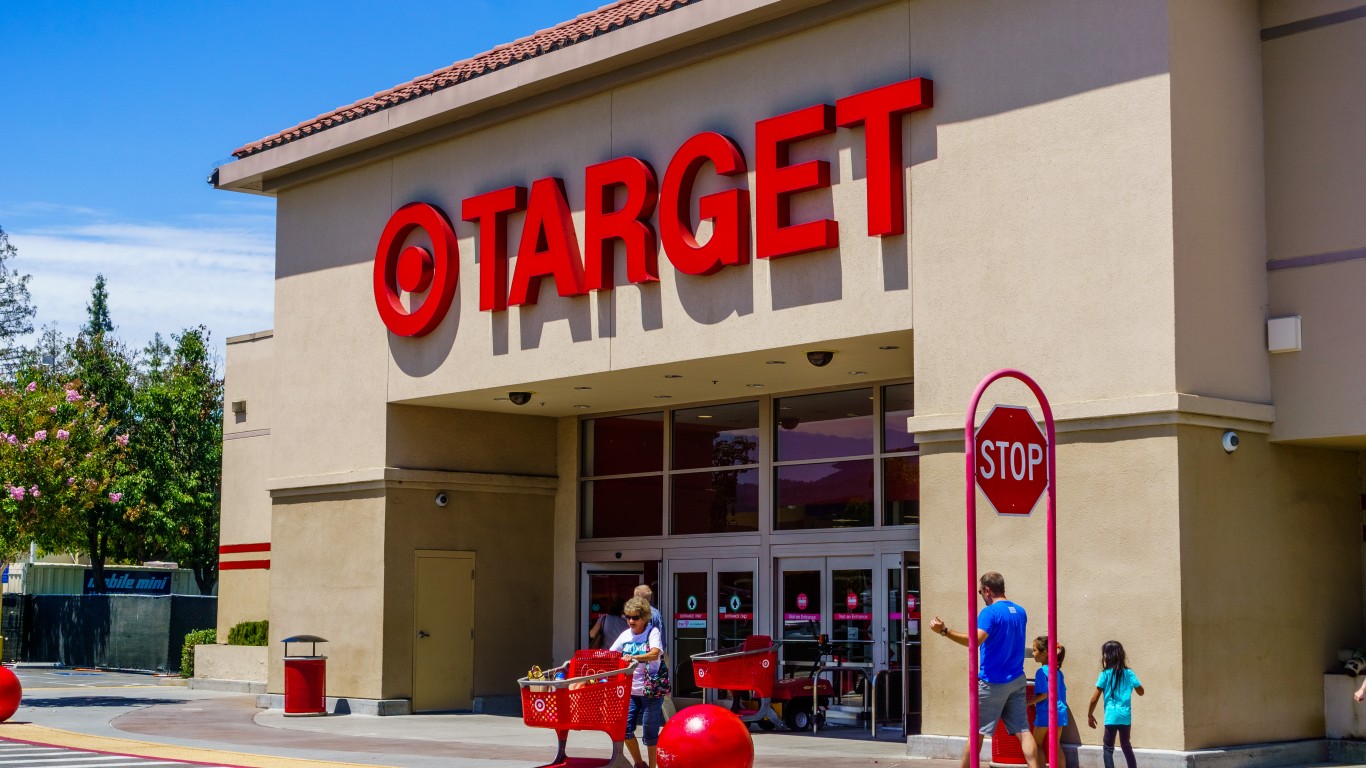
Target (NYSE:TGT) told the same tariff refund story a day earlier, booking a $994 million pretax IEEPA refund worth $1.65 per share. Target shares rose. Walmart, had no room for a beat that management itself called temporary. If you think the price investments compound into share gains, the selloff is a gift. If you think it is a treadmill, the multiple has further to give. Either way, the raise was real, and so was the message that Q2 borrowed from Q3.
Contact [email protected] for any questions or corrections.








 Top Gaining Stocks
 Top Losing Stocks