Amazon’s Gadget Price Hikes Reveal the Consumer Cost of the AI Memory Crunch
AI data centers are quietly draining a resource that every smartphone, speaker, and streaming stick depends on, and Amazon just started charging customers for the shortage in ways that reveal how deep the supply crisis runs.

The AI boom is changing the economics of technology far beyond the data center. The world’s biggest cloud providers are buying enormous quantities of high-bandwidth memory and conventional DRAM, leaving less supply for smartphones, PCs, routers, speakers, and other consumer electronics.
Counterpoint Research reported DRAM prices jumped 80% to 90% in the first quarter of 2026, while other industry data now shows some memory products selling at multiples of last year’s prices. More recent market data shows some DDR5 memory prices have climbed several hundred percent from a year ago.
The shortage is becoming a supply problem with a consumer price tag. Amazon‘s (NASDAQ:AMZN | AMZN Price Prediction) latest move makes that impossible to ignore.
Amazon Is Putting Memory Inflation on the Price Tag
Amazon quietly raised prices across several of its hardware lines, with the biggest increase hitting one of its cheapest products.
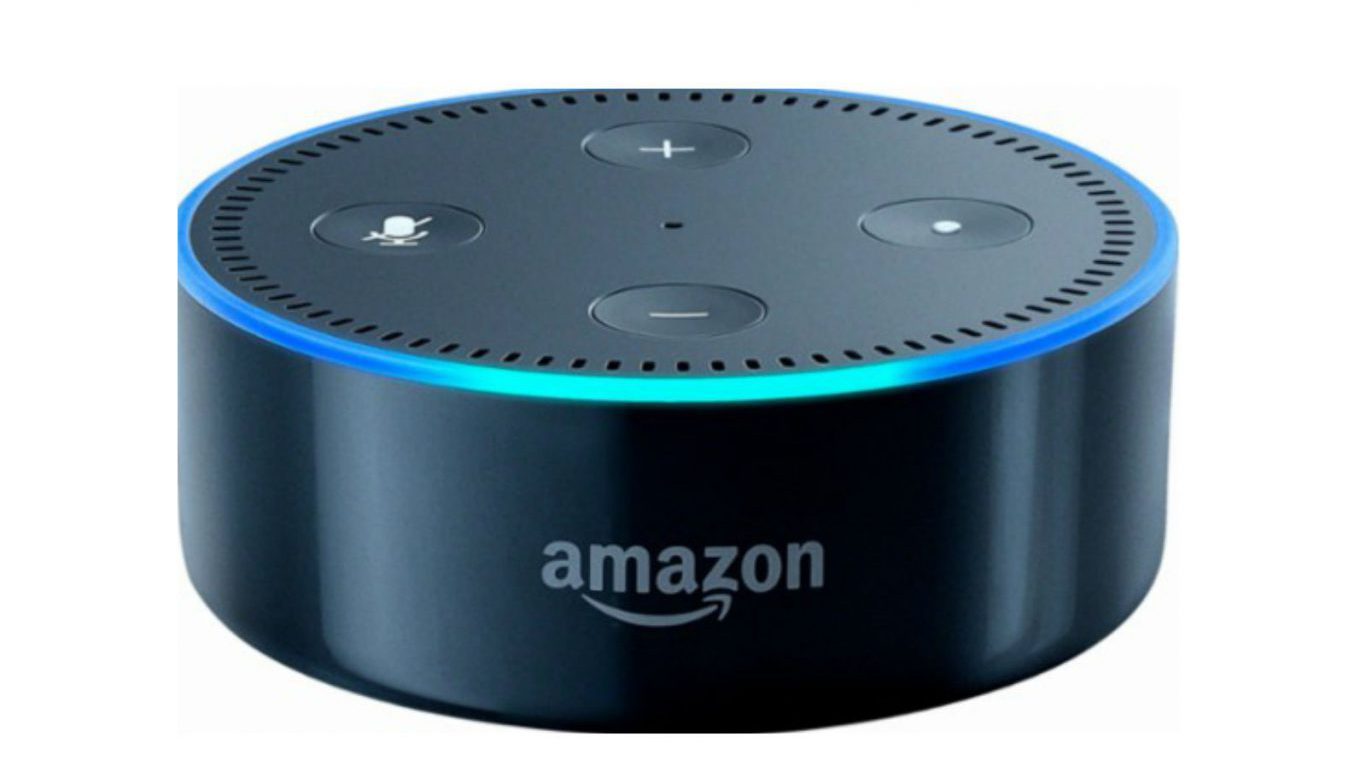
According to Fortune, the Echo Dot climbed from $49.99 to $79.99, a 60% increase. The Fire TV Stick 4K Max rose from $59.99 to $84.99, or 42%, while the base Kindle increased from $109.99 to $149.99, a 36% jump. Several eero networking products also became more expensive. Amazon attributed the increases to higher memory and storage costs, forcing it to respond to a cost increase in a component that has become scarce.
The squeeze is being driven by AI data centers consuming enormous quantities of memory, particularly HBM, which uses manufacturing capacity that could otherwise support conventional DRAM.
AI Is Turning Memory Into a Commodity Bottleneck
The uncomfortable part for Amazon is that this problem may not disappear with a few more memory shipments.
IDC warned last December that the shortage could persist well into 2027, arguing that manufacturers are reallocating capacity toward the higher-margin memory required by AI infrastructure.
That creates a nasty feedback loop for electronics companies. AI companies need more memory to build more computing capacity, memory manufacturers prioritize that demand, consumer-device makers face tighter supply, and eventually somebody has to absorb the higher bill. Amazon is choosing to pass at least some of it to customers.
Apple (NASDAQ:AAPL) has taken a similar route, raising prices on several products while warning that memory costs will remain a headwind. That makes Amazon’s decision less of an isolated pricing experiment and more evidence that AI-flation is spreading into consumer technology.
And Amazon has a particularly interesting position because it sits on both sides of the equation.
Its AWS cloud business is one of the companies creating enormous demand for AI infrastructure. In the second quarter, AWS revenue increased 37% year over year to $42.2 billion, while operating income reached $16.6 billion.
Amazon is simultaneously buying memory for its data centers and paying more for memory in the gadgets it sells.
The Price Hikes Could Actually Help Amazon
For shareholders, the gadget increases aren’t necessarily bad news. Amazon’s devices have historically served a broader strategic purpose: putting Alexa, Fire TV, Kindle, Ring, and eero products into customers’ homes and making Amazon’s ecosystem harder to leave. But hardware doesn’t have to be a major profit center if it generates valuable downstream purchases, subscriptions, advertising, or engagement.
That makes these price increases a test of Amazon’s pricing power. A 60% increase on the Echo Dot is hardly trivial. If consumers accept it, Amazon has demonstrated that its ecosystem has enough value to overcome some of the memory inflation. If sales fall sharply, however, Amazon may have to choose between protecting device volumes and protecting margins. Or produce more of its own Trainium chips.
The trade-off comes from Amazon spending heavily on AI at the same time. Its cloud business is growing rapidly, and higher memory costs could pressure both hardware economics and infrastructure spending.
Key Takeaway
Amazon’s price increases are more than a story about a more expensive Echo Dot. They are an early warning that the AI boom is creating inflation throughout the technology supply chain.
For investors, the winners may be memory manufacturers such as Micron Technology (NASDAQ:MU), while companies that consume memory face a tougher environment. Amazon has enough financial firepower and pricing power to absorb some of the pressure — and pass some of it along.
In the end, that’s the bullish case for Amazon: the company is big enough to make customers share the pain. But if memory prices keep climbing through 2026 and into 2027, investors should expect more technology companies to make the same choice.
Contact [email protected] for any questions or corrections.
After two decades of patrolling the dark corners of suburbia as a police officer, Rich Duprey hung up his badge and gun to begin writing full time about stocks and investing. For the past 20 years, he’s been cruising the markets looking for companies to lock up as long-term holdings in a portfolio while writing extensively on the broad sectors of consumer goods, technology, and industrials. Because his experience isn’t from the typical financial analyst track, Rich is able to break down complex topics into understandable and useful action points for the average investor. His writings have appeared on The Motley Fool, InvestorPlace, Yahoo! Finance, Money Morning, and, of course, 24/7 Wall St. He has been featured in both U.S. and international publications, including MarketWatch, Financial Times, Forbes, Fast Company, and USA Today.