Apple Is Cutting Jobs From the Teams Fixing Siri. Is Its AI Comeback Already in Trouble?
Apple just laid off over 100 people from Siri and machine learning teams while simultaneously betting its future on a rebuilt Siri that has already missed its own reliability bar once. Whether this is smart pruning or a dangerous gamble…

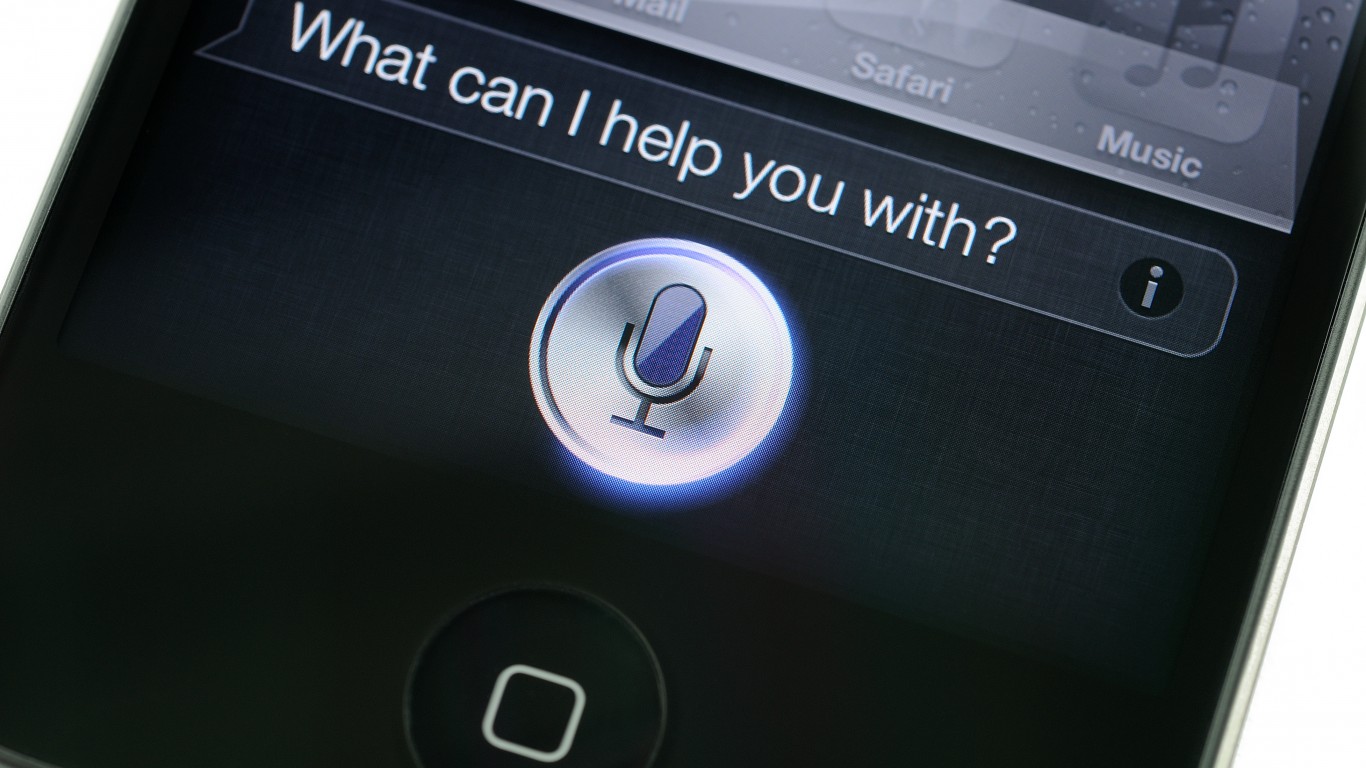
Apple (NASDAQ:AAPL | AAPL Price Prediction) is reportedly eliminating more than 200 positions across its Vision Pro and Siri-related software organizations, with roughly 100 cuts touching Siri, machine learning, and software development.
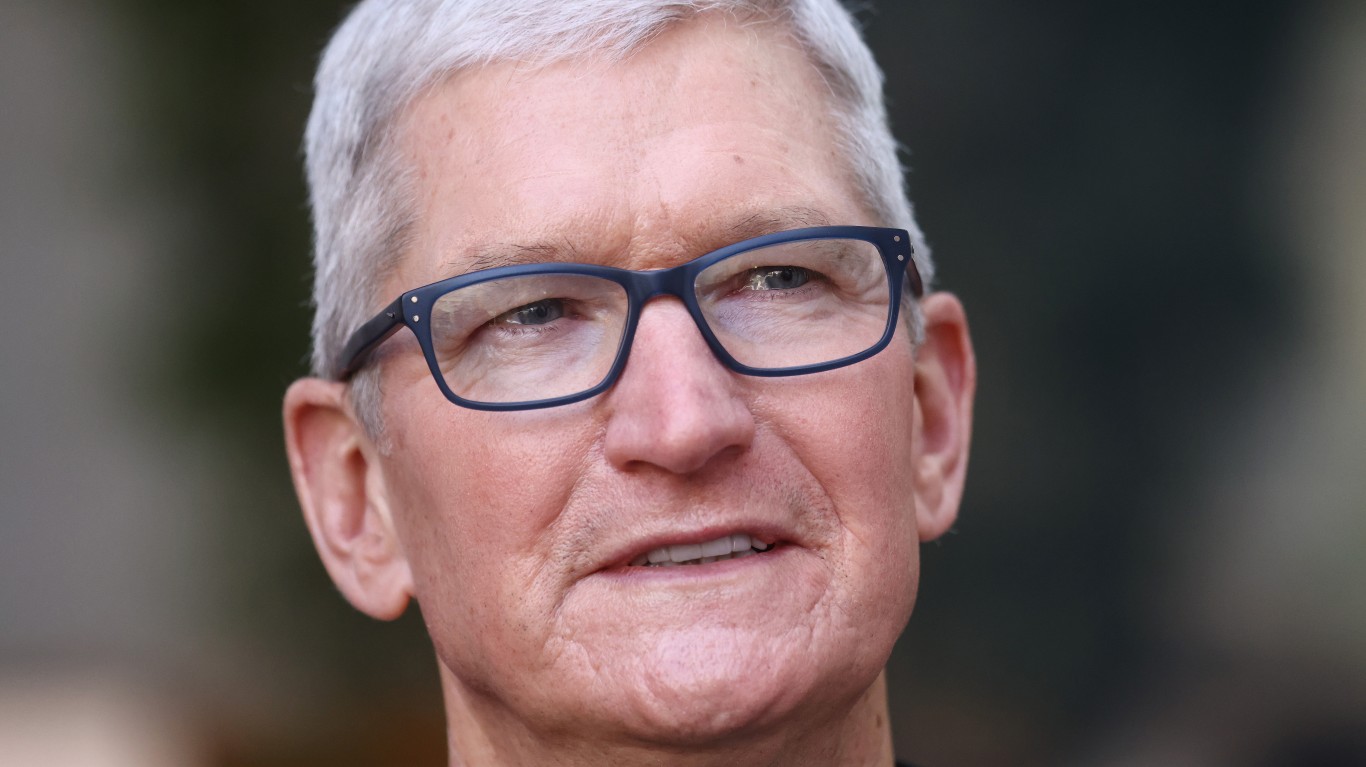
The timing is awkward. Apple has just unveiled a rebuilt Siri centered on personal context, onscreen awareness and the ability to act across apps, and Tim Cook has staked much of his final year on it. Apple says affected employees can apply for other roles, so this looks more like redeployment than retreat. It still lands after Apple publicly delayed earlier promised Siri improvements because the software did not meet its reliability standards.
Reading the Cuts Qualitatively
Two hundred roles inside Apple’s workforce is a rounding error. The signal is qualitative.
Reporting points the cuts at machine learning and Siri software teams tied to the older assistant, consistent with Apple pruning talent aligned to a stack it is replacing. It is a defensible call, but also the kind that goes badly if the new system slips again. Cook told investors that operating expenses reached $19.1 billion in Q3, up 23% year over year, driven by R&D.
Beta Feedback Falls Short of a Reliability Bar
Cook said developer feedback has been “overwhelmingly positive” and that “the reviews from early users have been phenomenal.” He is unlikely to say otherwise on an earnings call. Apple has been here before. Reuters reported last year that Apple was delaying promised Siri improvements because the technology did not meet its own reliability standard.
A public beta remains far from a shipped product. Apple has not committed to a general availability date and has not published task-completion benchmarks. Until Siri AI ships broadly and holds up in daily use, the layoffs will be judged against outcomes.
Composition Is the Bet
What Apple chose to keep matters more than what it cut. Cook has described on-device processing as “very strategic and sort of a competitive weapon” for the new architecture. If reporting is accurate, the cuts skew toward legacy Siri and away from the silicon-plus-personal-context stack Apple is doubling down on. That is a coherent bet.
The risk is concentration. Apple is placing more weight on a rebuilt system that has not yet cleared its own bar. Cook conceded the rollout is uneven, saying Apple has “not been able to” launch Siri AI in the European Union and that China requires more work.
What the Market Is Pricing
Apple trades at $313.45, down 6.88% over the past month but up 37.2% over the past year. The stock is trading as if investors see no AI crisis. Analysts average a $324.45 target, with 22 buy ratings against two sell and two strong-sell calls. Q3 revenue rose 16% to $109.4 billion. The cash engine keeps funding the experiment. Apple repurchased $62.094 billion in shares over nine months through June 27, 2026.


That gives Apple runway to get Siri right on the second attempt. It does not make this restructuring cost-free if reliability slips again, because shareholders paying a P/E of 36 will be less patient about a third try.
Contact [email protected] for any questions or corrections.
Omor Ibne Ehsan is a writer at 24/7 Wall St. He is a self-taught investor with a focus on growth and cyclical stocks that have strong fundamentals, value, and long-term potential. He also has an interest in high-risk, high-reward investments such as cryptocurrencies and penny stocks.