Apple WWDC: Can Rebuilt Siri Finally Prove Two-Year AI Vision Pays Off?
Apple (NASDAQ:AAPL | AAPL Price Prediction) finally put its rebuilt Siri on the WWDC stage on Monday, June 8, and the market verdict was swift. The stock spiked 3% during the keynote and flipped negative at the top of the…

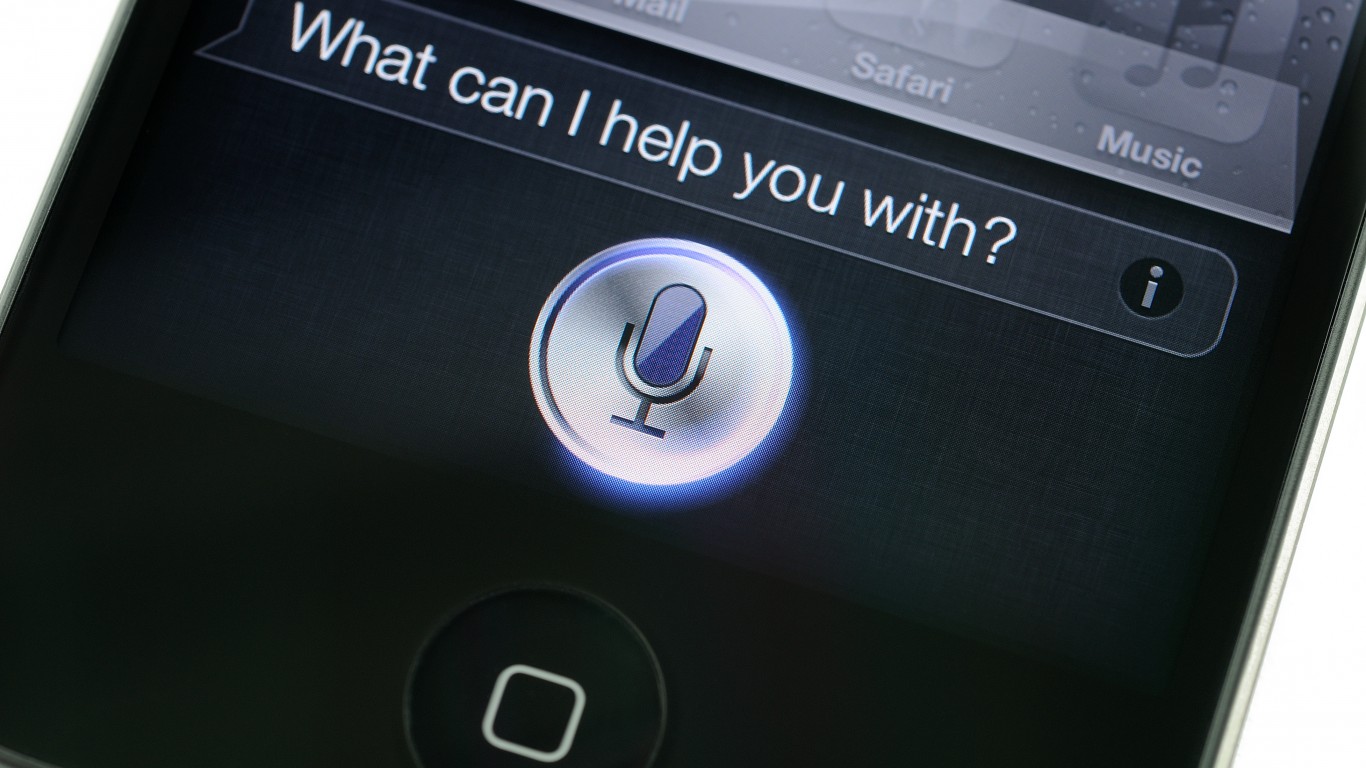
Apple (NASDAQ:AAPL | AAPL Price Prediction) finally put its rebuilt Siri on the WWDC stage on Monday, June 8, and the market verdict was swift. The stock spiked 3% during the keynote and flipped negative at the top of the hour, as investors concluded the long-awaited AI reveal landed roughly on par with what Alphabet (NASDAQ:GOOGL) already offers through Android, and roughly in line with what Apple itself promised two years ago.
CNBC’s MacKenzie Sigalos framed the stakes before the address began: “The big question today is whether Apple can finally deliver on the AI vision that it’s been promising for two years now.” She added that “Apple was first with the voice assistant nearly 16 years ago, but it’s badly lagged in the generative AI era.”
Why This Is Make-or-Break for Apple
The bull case heading into Monday was straightforward. Apple’s path to winning in an AI world runs through owning the consumer experience layer, regardless of who leads the model race. “If the company can make Siri useful, it becomes the toll collector on the consumer AI highway,” Sigalos said, with “a much bigger services story, potentially looking at AI subscriptions, App Store fees, default model economics, and even e-commerce transactions that Siri helps initiate.”
That setup matters because Apple’s Services engine is already humming. In its Q2 FY26 report, Apple reported Services revenue of $30.976 billion, an all-time record, on total revenue of $111.184 billion and diluted EPS of $2.01. Tim Cook also disclosed an installed base of more than 2.5 billion active devices, the distribution backbone of any “toll collector” thesis.
What Apple Actually Delivered
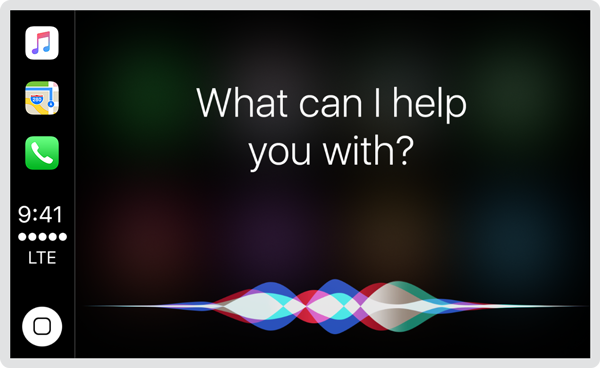
Per CNBC’s recap, Apple will launch Siri AI in beta later this year. It will not be available in the EU initially, and Apple is working to find a path to launch it in China. The rebuilt assistant is powered with help from Google Gemini and integrated across Apple’s operating systems with a privacy-first, walled-garden approach. “It’s going to tap into your personal data. And that’s what really sets Apple apart. The fact that you have all of this within the iOS walled garden… it’s keeping it on Apple’s private servers,” Sigalos noted.
Why The Market Flipped Negative
Investors were hoping to see an agentic Siri on the iPhone capable of viewing the screen, retaining context, and coordinating multi-step actions across apps. Instead, “we saw an announcement that had to do with the Password Manager app, but not the full agentic experience that was anticipated.” Sigalos summed up that the reveal was “basically on par with what Gemini is offering through the Android ecosystem.”
Google’s competitive posture is part of why the bar was so high. Alphabet reported Q1 FY26 revenue of $109.90 billion with Google Cloud growing 63% to $20.03 billion, and is guiding to 2026 capital expenditures of $175 billion to $185 billion. Shares of Alphabet closed at $363.31 on Monday, June 8. Apple closed at $301.54, down 1.89% on the day, though still up 48.46% over the past year.
Apple’s Remaining Bull Case
Apple’s privacy architecture is a durable differentiator. Routing personal-data queries through Apple’s private servers inside the iOS walled garden is something cloud-native rivals cannot easily replicate. Combined with the 2.5 billion device base and a Services line that just printed another record, the “own the experience layer” thesis is intact but unproven until Siri’s beta ships.
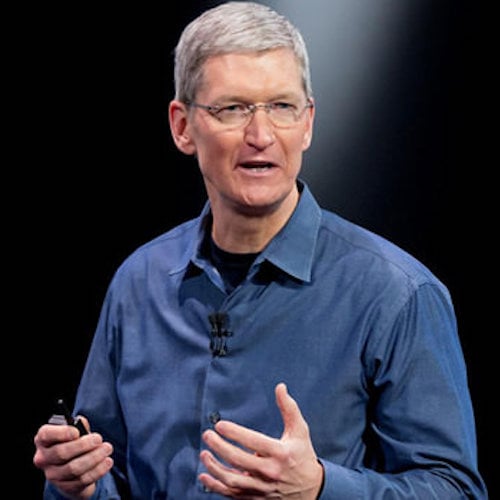
CNBC reported the event as Tim Cook’s final WWDC keynote, with John Ternus stepping into leadership. Apple’s AI story now passes to new leadership with the burden of proof still unmet, the EU and China gaps unresolved, and investors are still waiting for a future agentic Siri product.
Contact [email protected] for any questions or corrections.
Thomas Richmond is a financial writer and content strategist with 5+ years of experience covering stocks and financial markets. He has published over 500 articles focused on individual stock analysis, helping investors better understand business fundamentals, stock valuations, and long-term opportunities.
Thomas previously served as a Content Lead at TIKR, a stock research platform, where he helped scale the company’s blog to hundreds of articles per month and contributed to a weekly newsletter reaching more than 100,000 investors.
Outside of work, Thomas enjoys weight lifting and soccer.