Amazon’s Appeal Is More About This Than The AI Capex Fear Discount
Wall Street keeps punishing Amazon every time AI capex headlines hit, and one investor keeps buying the dip. The reason has nothing to do with quarterly earnings and everything to do with a number most analysts are not talking about.

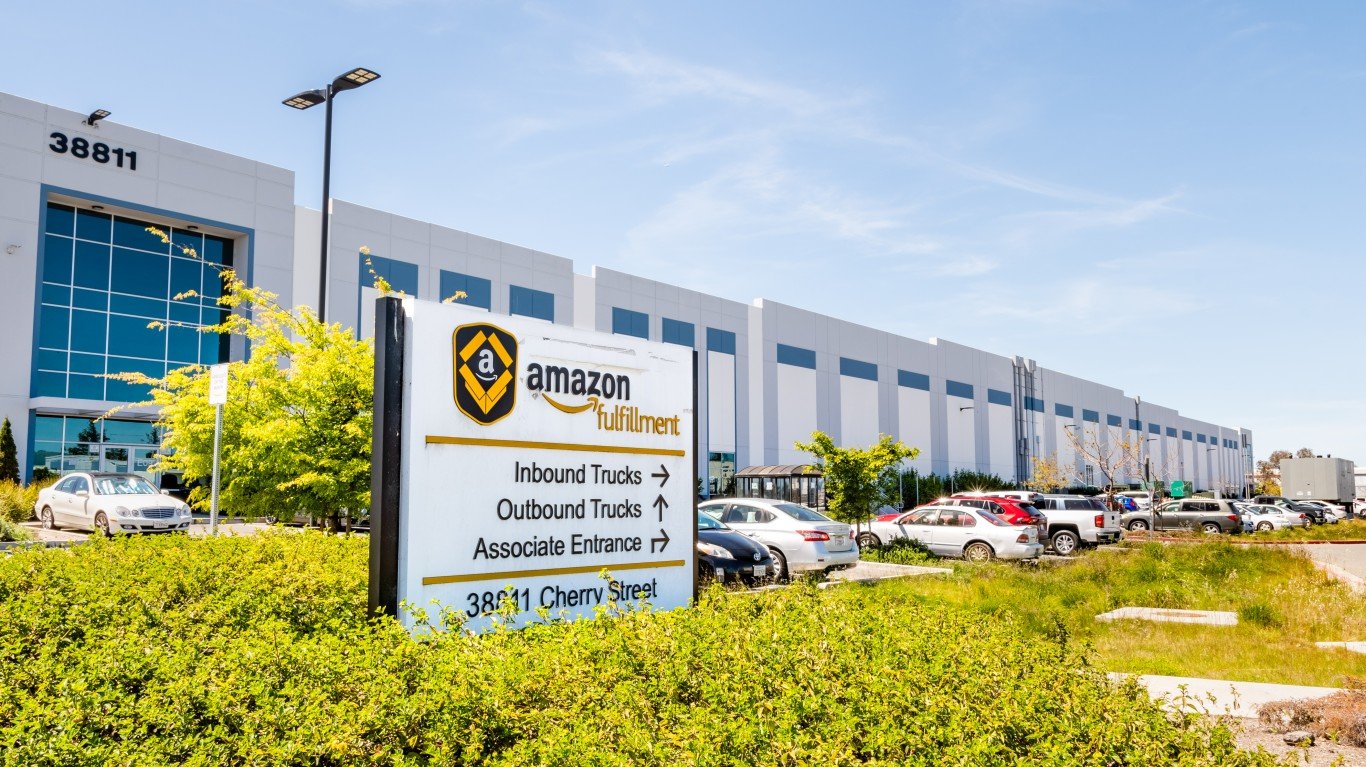
I keep buying Amazon (NASDAQ:AMZN | AMZN Price Prediction), and I do not plan to stop. Every time the market gets nervous about AI infrastructure spending and marks the stock down, I add more. That pattern is why I sleep fine holding a name currently trading at $266.43, even after a 17.55% run in the last month.
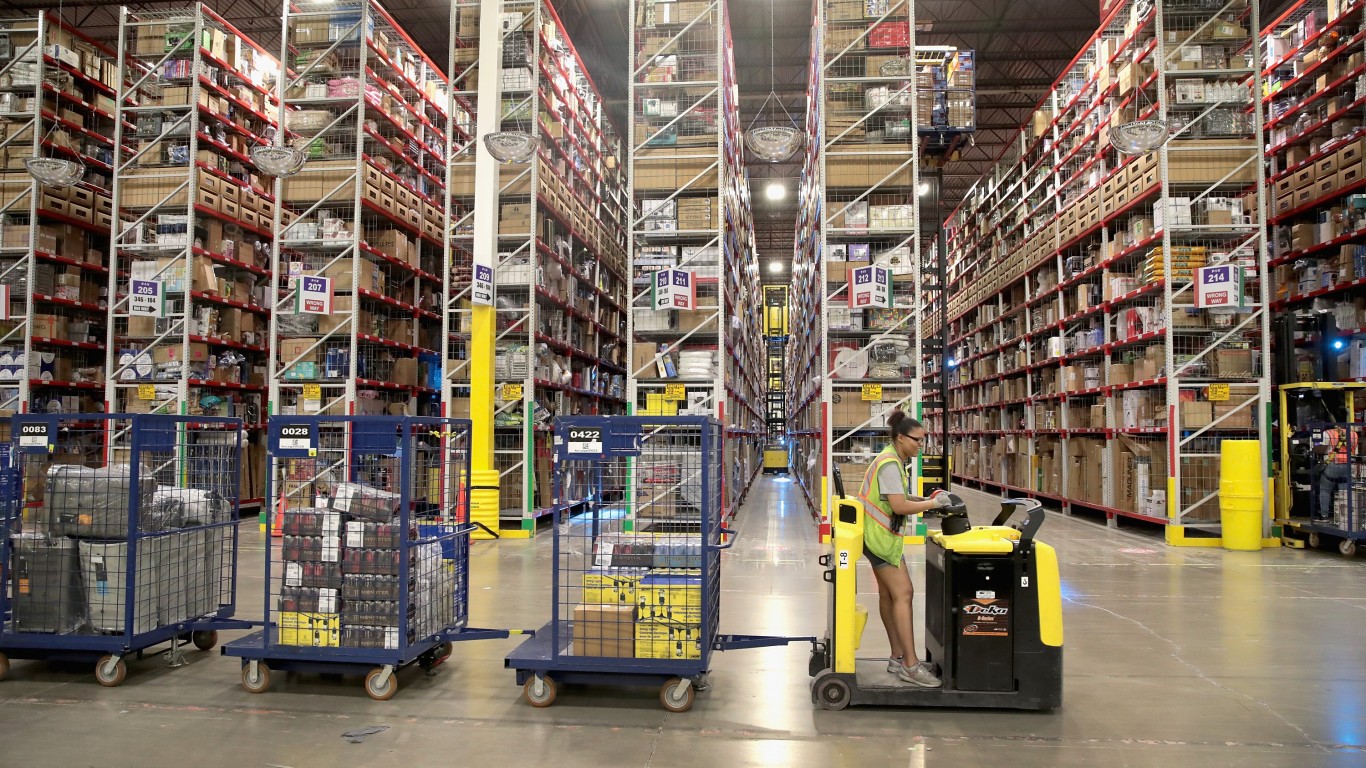
Here is what the discount is missing. AWS backlog now sits at $496 billion, growing triple digits year over year, and most AI capacity is contracted for at least five-year terms. Andy Jassy told the Street AWS is on pace to have double the power capacity by the end of 2027 that it had in 2025, and the lion’s share of that 2027 capacity is already reserved. That is contracted demand pulling forward supply.
Three Reasons My Buy Button Stays Active
AWS is re-accelerating on a very large base. Segment revenue reached $42.23 billion in Q2 FY26, up 37% year over year, the fastest pace in 18 quarters, at a 39.4% operating margin. That is a $169 billion annualized run rate compounding faster than two years ago. Custom silicon drives growth. Amazon’s AI business and chips business each cleared a $25 billion annualized run rate at triple-digit growth, and Graviton is now used by 98% of the top 1,000 EC2 customers. Anthropic and OpenAI have made multi-year, multi-gigawatt commitments to Trainium. That moat deepens with every generation.
Advertising is quietly becoming one of the best businesses on the internet. Q2 ad revenue hit $19.809 billion, up 26% year over year, on the highest-intent retail traffic. Shoppers who click a sponsored prompt convert 48% more often and spend 21% more on average. That flows through at margins standalone retail cannot touch.
The balance sheet supports the spend. Debt-to-equity sits at 0.37, interest coverage at 35.2 times, cash at $78.21 billion. Trailing operating cash flow ran $139.51 billion. This company can fund the ~$200 billion 2026 capex plan without straining anything.
Why Not Microsoft or Alphabet
Microsoft (NASDAQ:MSFT) and Alphabet (NASDAQ:GOOGL) are obvious hyperscaler alternatives. My money goes to Amazon because no other name stacks a $496 billion cloud backlog on top of a $70 billion trailing advertising business and the second-largest US grocery footprint, with over $150 billion in annual grocery gross merchandise sales. Amazon Now gross sales grew over 80% quarter over quarter. Worldwide paid units grew 17% year over year. That retail flywheel compounds alongside cloud in a way pure-play peers cannot replicate.
Capex Risk I Refuse to Dismiss
Capex is real. It ran $54.208 billion in Q2 FY26, up 68.44% year over year. Trailing twelve-month free cash flow flipped to negative $7.6 billion. Roughly $200 billion more is planned for 2026, and all that money has to be turned into power, cooling, and networking by somebody (we profiled seven of those suppliers in a free report here: 7 Stocks Powering the AI Boom). What keeps me buying is the math Jassy laid out. Data centers monetize for 30-plus years after initial spend. Servers break even in a little less than three years on average and carry a useful life of at least five to six years. The capacity being built is already contracted. The spending is the thesis.
What Keeps the Buy Button Warm
Jassy said AWS could plausibly become a trillion-dollar annual revenue business over time, with very appealing accompanying free cash flow and return on invested capital. This position works if the backlog converts, the chip business keeps compounding, and the retail flywheel keeps turning. All three are happening quarter after quarter. Every capex-driven drawdown is an invitation to own more of what comes on the other side.
Contact [email protected] for any questions or corrections.
Alex Sirois is a financial writer with experience spanning both retail and institutional investing. He has written for InvestorPlace and held roles at BNY Mellon and Bernstein, giving him a perspective that bridges Main Street portfolios and Wall Street analysis.
Alex holds an MBA from George Washington University and has built his career across multiple industries, including e-commerce, education, and translation — a breadth of experience that informs how he breaks down complex financial topics for everyday investors. His writing is conversational, actionable, and grounded in long-term, buy-and-hold investing principles.
At 247 Wall St., Alex focuses on delivering analysis that is both accessible and useful, with a clear emphasis on helping readers make more informed decisions with their money.