$7 Billion for Venezuelan Oil, and Chevron’s CEO Just Told Drivers When Gas Gets Cheaper
Chevron's CEO just flew to Caracas and committed billions to a deal that could reshape global oil markets, then turned around and delivered news that frustrated drivers everywhere will not want to hear.

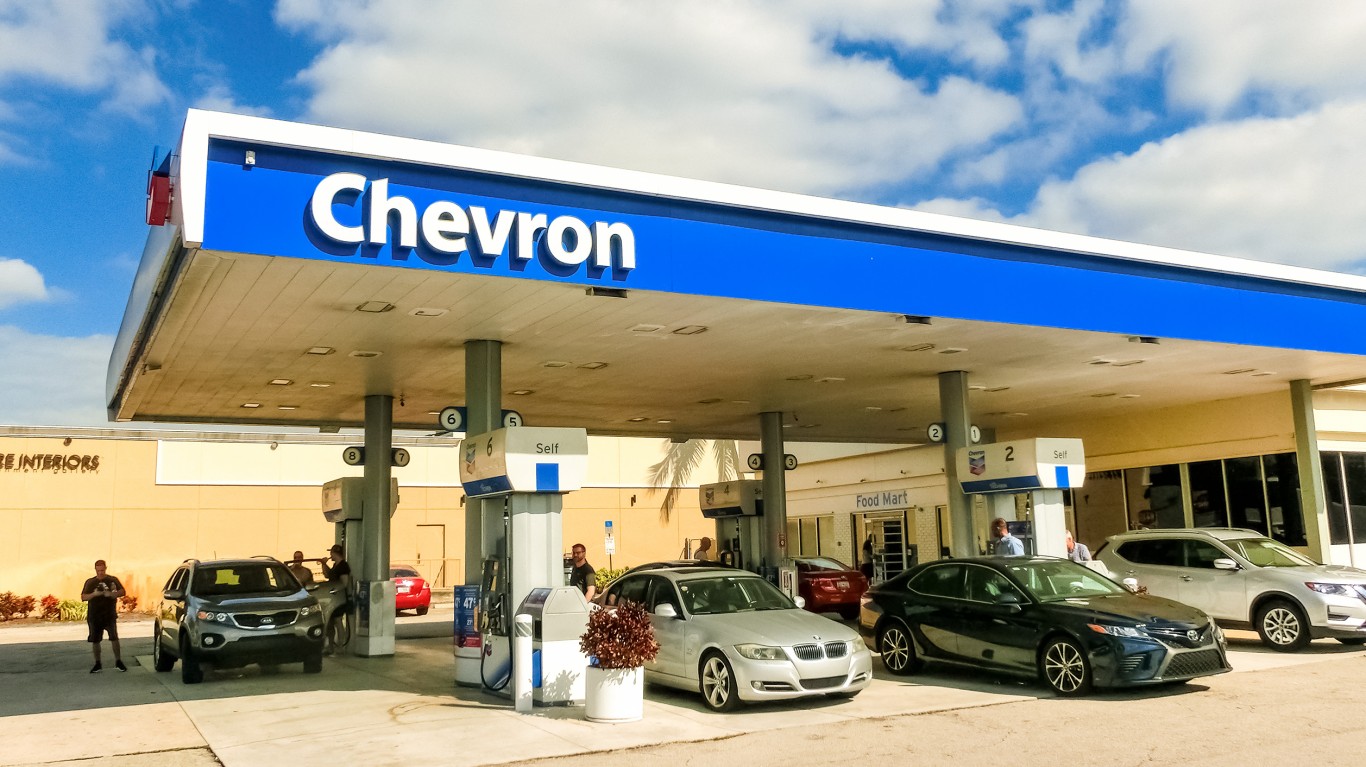
Chevron CEO Mike Wirth flew to Caracas and committed real capital, then told American drivers cheaper gas is not coming from this deal. That split screen is the story.
In a CNBC interview Tuesday, Wirth said Chevron (NYSE:CVX | CVX Price Prediction) will spend $7 billion across three joint ventures over five years to triple Venezuelan production from roughly 300,000 barrels per day to over 600,000 barrels per day by 2031, at a cost per barrel of less than $20. Wirth framed the economics as accretive to free cash flow, made viable by renegotiated fiscal terms, royalties, legal framework, and dispute resolution provisions.
What Wirth Told Drivers
Asked whether Venezuelan crude would bring down U.S. gasoline prices, Wirth called it “a long term add to supply globally” and said a new refinery would take “5 to 7 years” to build. He pointed to the Middle East and Russia-Ukraine as drivers of tight product markets, noting the only faster fix is routing more product to existing refineries.
The national average price of regular gas sat at $4.071 per gallon on August 31, 2026, above the $4.00 “painful for budgets” threshold. That is up from $2.779 on January 12, with a 2026 peak of $4.50 on May 11. On the Q2 call, Wirth said diesel is the tightest spot, warning of “upward pressure on product pricing here into the third quarter and perhaps beyond that.”
Pump Versus Portfolio
The same tightness squeezing drivers is a tailwind for the stock. CVX traded at $211.66 Wednesday morning, up 42.32% year to date and 5.58% in the past week. Q2 delivered adjusted EPS of $6.06, revenue of $67.20 billion, and downstream earnings of $4.87 billion versus $737 million a year ago. Debt fell by more than $8 billion in the quarter.

Long Game Wirth Is Playing
On the Q2 call, Wirth previewed the Venezuela pivot: “We are going to work it to create value, not for a year or two, not growth for a year or two, but value long, long, long into the future.” He noted debt recovery from Caracas would be “fully recovered” by early 2027.
U.S. production hit a record 2.1 million barrels per day last quarter, more than 50% of global output, and Kazakhstan and the Black Sea pipeline are running at full capacity. Shareholders got the answer. Drivers got a timeline measured in years.
Contact [email protected] for any questions or corrections.
Joel South covers large-cap stocks, dividend investing, and major market trends, with a focus on earnings analysis, valuation, and turning complex data into actionable insights for investors.
He brings more than 15 years of experience as an investor and financial journalist, including 12 years at The Motley Fool, where he served as an investment analyst, Bureau Chief, and later led the Fool.com investing news desk. He has also co-hosted an investing podcast and appeared across TV and radio discussing market trends.