Chevron, Exxon and Other Oil Stocks Jump as Two Huge Energy Stories Collide
Iran and Venezuela just handed energy investors two completely opposite catalysts at the same time, and Chevron, Exxon, and Halliburton are reacting in real time as traders try to figure out which story actually matters for their portfolios.

Energy stocks led the market higher Monday morning as two major oil catalysts hit at once. CNBC’s Dominic Chu framed the setup on the network’s opening segment on Monday: “Oil prices did jump by about 3% on the resumption of those attacks, and that sent energy stocks higher.”
He added that “Chevron, Exxon Mobil, Halliburton, and Occidental Petroleum all in the green this morning after getting another boost on Friday, when President Trump said the U.S. had a deal with Venezuela to control more than 65 billion barrels of its oil reserves.” The Venezuela announcement won’t impact today’s supply, but it adds a long-horizon reserves story.
The U.S. and Iran traded strikes over the weekend, the first time in more than a month, which adds a supply-risk premium to energy prices.
Iran Strikes Send Oil Prices Up 3%
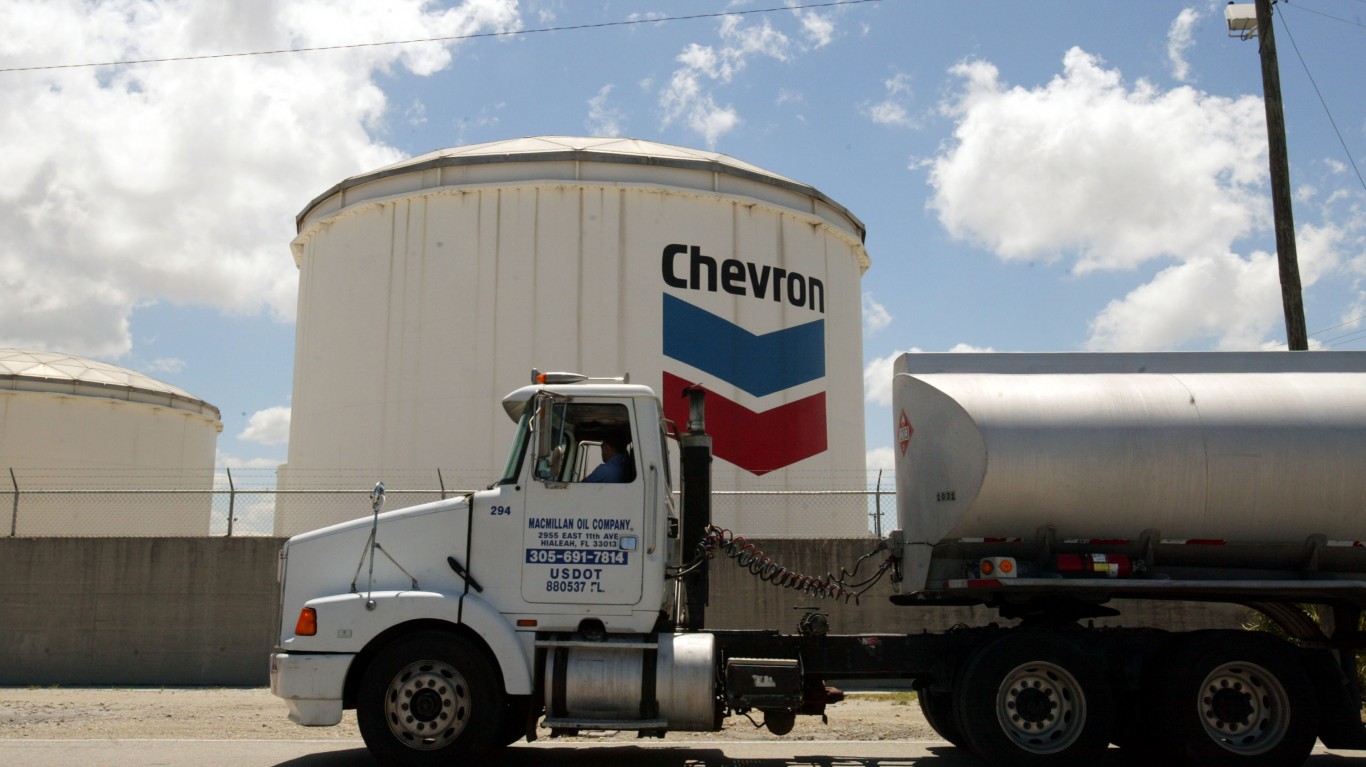
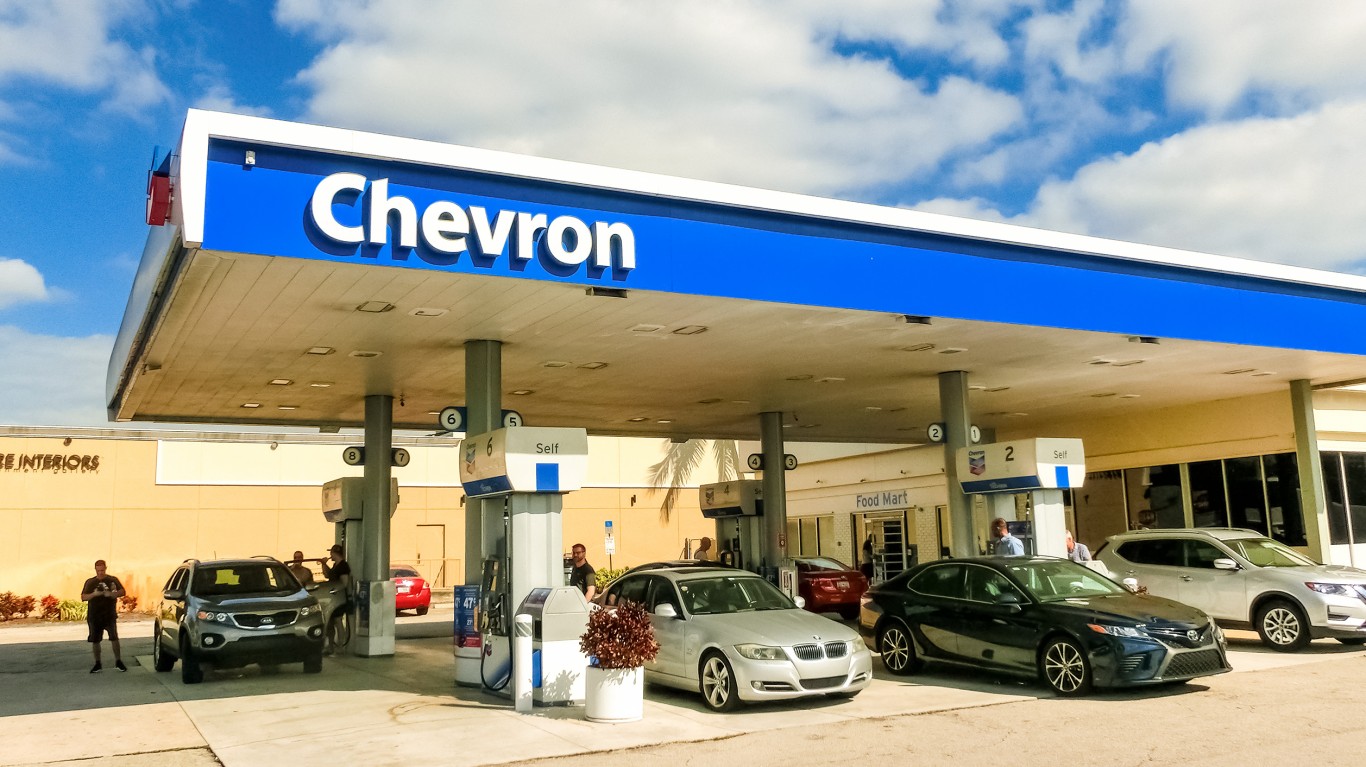
Chevron (NYSE:CVX | CVX Price Prediction) opened higher, trading at $208.18 Tuesday morning, up 1.00% on the session and 36.13% year-to-date. On the Q2 call, CEO Mike Wirth flagged the region directly, saying “the impact from the Middle East conflict remained isolated to the partition zone representing about 1% of second quarter total production.” Chevron still delivered $12.1 billion in earnings, or $6.11 per share, and cut debt by more than $8 billion in the quarter.
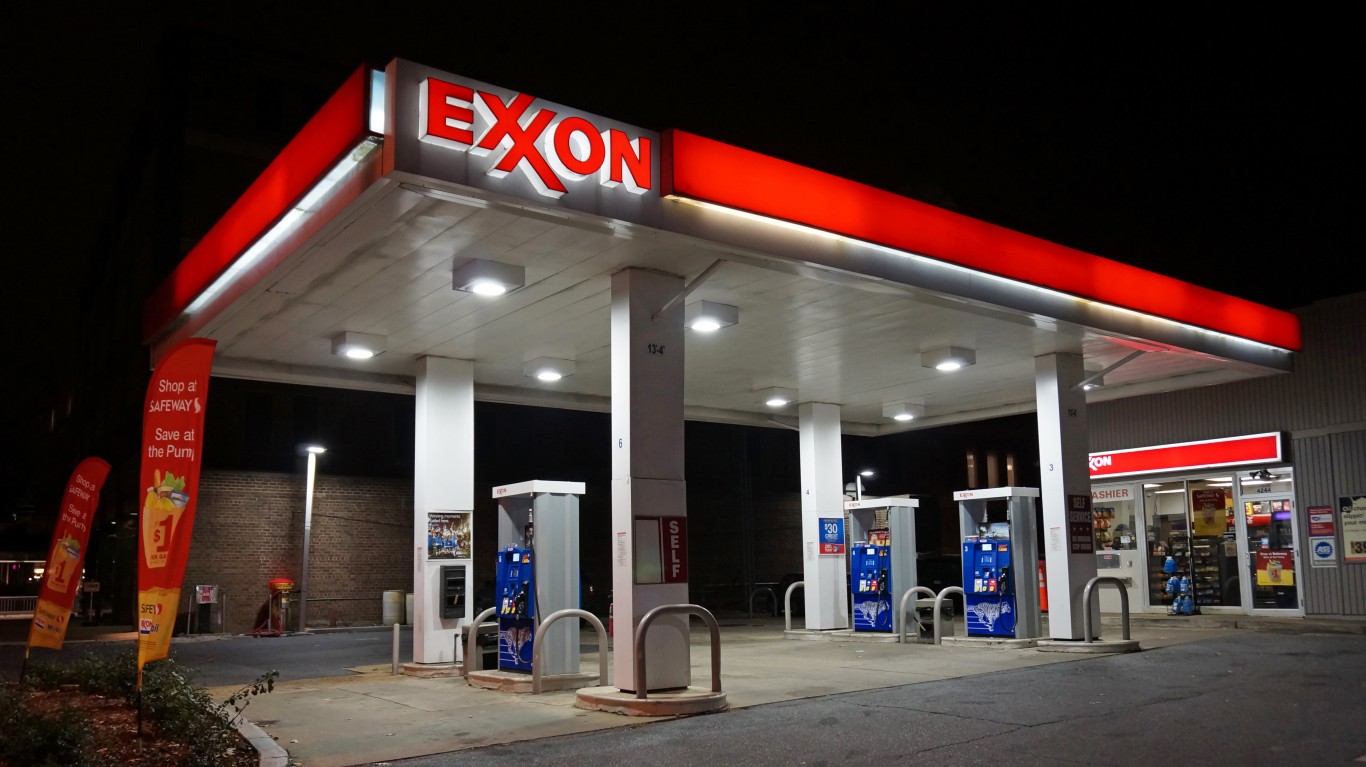
Exxon Mobil (NYSE:XOM) trades at $162.91 on Tuesday, up 1.20% intraday. Exxon’s Q1 report disclosed $706 million in losses tied to Middle East supply disruptions, and CEO Darren Woods said: “Events in the Middle East tested that strength with the safety of our people remaining our top priority.”
Halliburton (NYSE:HAL) added 1.53% to $36.74, extending a 16% one-month rally. Middle East and Asia revenue was down 2% sequentially in Q2 on activity disruptions in Kuwait, Iraq, and Qatar.
Occidental Petroleum (NYSE:OXY) rose 0.76% to $59.55. CEO Richard Jackson said on the Q2 call that Occidental “fully offset the disruptions of our production in the Middle East” through Permian and Gulf of America volumes.
Trump’s 65 Billion-Barrel Venezuela Deal Is a Very Different Catalyst
President Trump announced Friday that the U.S. had a deal with Venezuela to control more than 65 billion barrels of its oil reserves. Chevron is the most direct beneficiary given its three producing joint ventures with PDVSA.
Chevron CEO Mike Wirth told analysts Chevron has grown production from those three JVs “from 40,000 to 250,000” barrels per day and that “we’re in negotiations right now to try to improve the fiscal terms and enable more investment in Venezuela.” CFO Eimear Bonner said on debt recovery, “we expect that by early 2027, that will be fully recovered.”
The reserves headline is a long-horizon story: Venezuelan infrastructure has been degraded by years of sanctions and disinvestment, and heavy and extra-heavy crude requires specialized handling that takes time to rebuild. Retail investors have zeroed in on that gap. Reddit’s most-discussed Chevron thread over the weekend was titled “Trump announced a deal for 65 billion barrels of Venezuelan oil. How much of that is actually investable?” with sentiment scores clustering in a neutral 49 to 58 range.
Key Takeaways
Iran and Venezuela are giving energy investors two very different catalysts. Renewed Middle East fighting can move oil prices immediately, while Venezuela’s 65 billion barrels could take years to translate into meaningful production.
Contact [email protected] for any questions or corrections.
Thomas Richmond is a financial writer and content strategist with 5+ years of experience covering stocks and financial markets. He has published over 500 articles focused on individual stock analysis, helping investors better understand business fundamentals, stock valuations, and long-term opportunities.
Thomas previously served as a Content Lead at TIKR, a stock research platform, where he helped scale the company’s blog to hundreds of articles per month and contributed to a weekly newsletter reaching more than 100,000 investors.
Outside of work, Thomas enjoys weight lifting and soccer.