Chevron Could Be Big Winner If Venezuela Pulls Out of OPEC
Venezuela is edging away from OPEC, U.S. companies are circling its vast untapped oil fields, and one American energy giant already has a foot in the door before the bidding even begins.

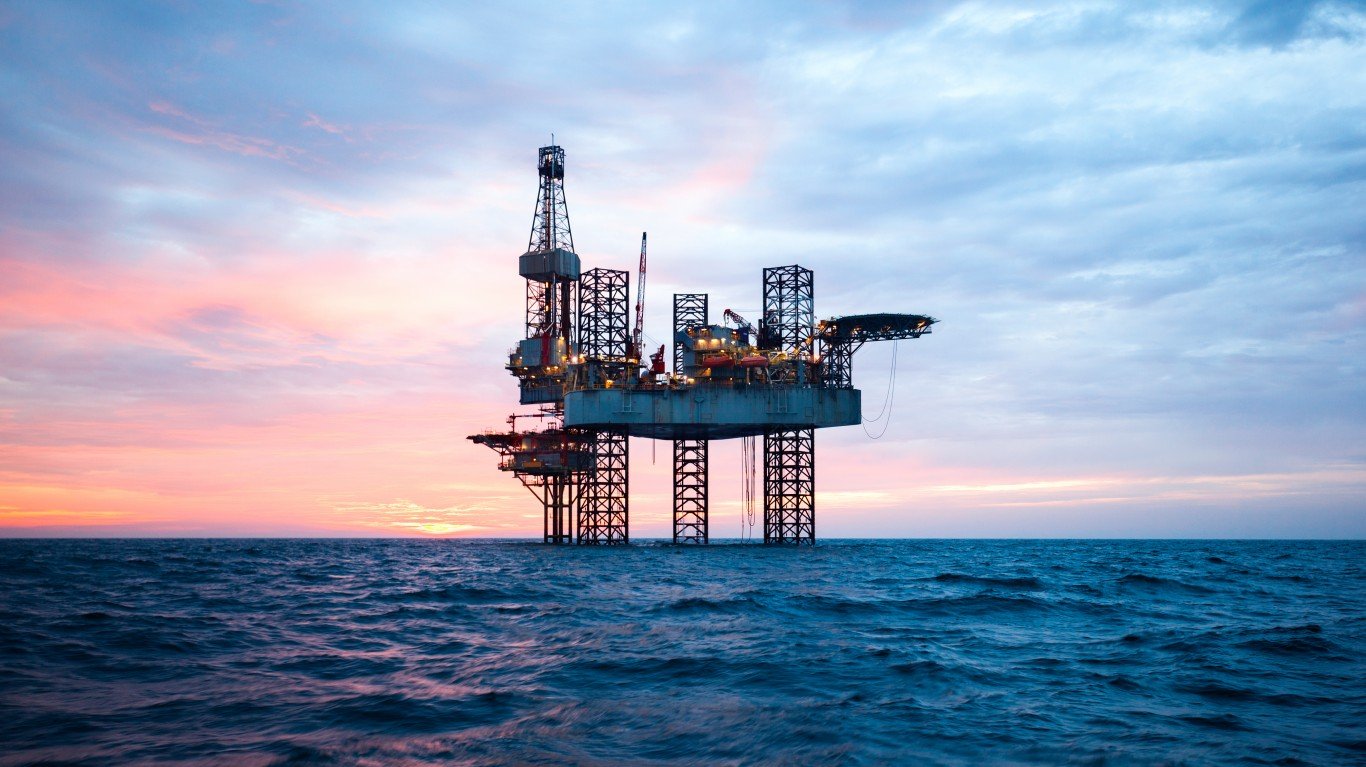
Oil markets are being reshaped by geopolitics as much as geology. Venezuela, home to the world’s largest proven crude reserves, is now moving closer to the U.S. after years of isolation, while OPEC’s influence over global supply appears to be weakening.
Venezuela produced only about 1.16 million barrels of oil a day in July, according to Bloomberg, less than half its output a decade ago. That means a Venezuelan exit from OPEC would have little immediate effect on crude prices. The bigger implication is what comes next: another crack in OPEC’s foundation and a potentially massive reopening of Venezuela’s oil industry to U.S. companies. And that puts Chevron (NYSE:CVX | CVX Price Prediction) in a particularly attractive position.
OPEC Could Lose Another Piece
Bloomberg reported Thursday that Venezuela is closely examining plans to leave OPEC, although no final decision has been made. The development would follow the United Arab Emirates’ decision to leave the cartel, giving OPEC another high-profile departure in only months.
To be clear, there would likely be little immediate impact to OPEC. Venezuela already isn’t subject to production limits because its output has fallen so far. So an exit wouldn’t suddenly unleash millions of additional barrels.
The longer-term risk for OPEC is credibility. Venezuela’s departure could encourage other members to prioritize production and market share over coordinated supply restrictions. Bloomberg notes that a broader breakdown could recreate the 2020-style battle for market share. For investors, that could mean more downward pressure on crude prices over time — a mixed outcome for oil producers but potentially beneficial for refiners and consumers.
Chevron Already Has a Head Start
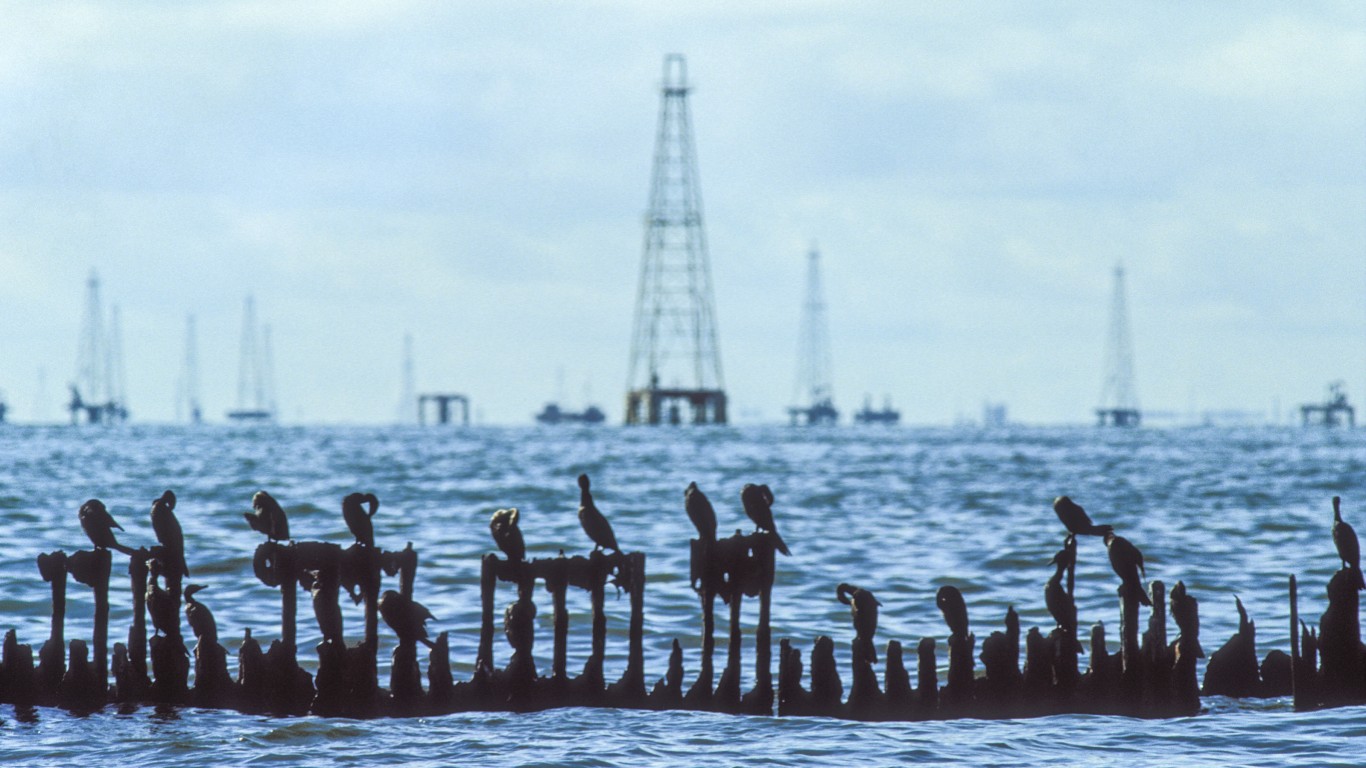
The more compelling opportunity is Venezuela itself. Since U.S. forces removed Nicolas Maduro from power on Jan. 3, Washington has assumed far greater influence over Venezuela’s oil industry. Reuters reports that the U.S. is negotiating long-term access to a group of Venezuelan fields that American companies could develop, with 17 fields under consideration across the Orinoco Belt and Lake Maracaibo. One structure being discussed would involve leases followed by auctions or tenders for individual fields.
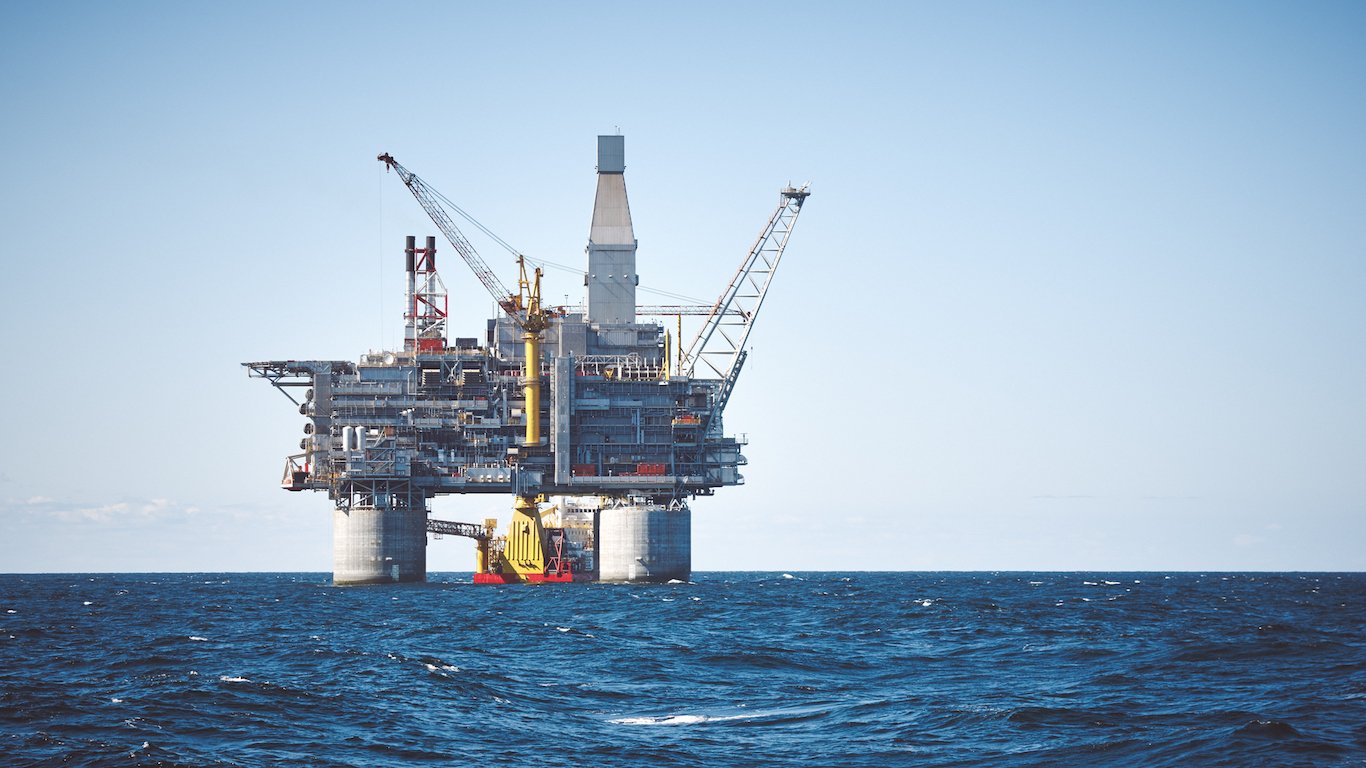
Chevron isn’t waiting for the starting gun. In April, the oil and gas giant increased its working interest in the Petroindependencia joint venture to 49% by acquiring an additional 13.21% stake. It also received rights to develop the adjacent Ayacucho 8 area in the Orinoco Oil Belt through its 30%-owned Petropiar JV.
That positioning is important because Venezuela’s oil is predominantly heavy and extra-heavy crude, requiring specialized infrastructure and expertise. Chevron already has both.
The company’s financial strength gives it another advantage. Chevron generated $12 billion in adjusted earnings and $15.4 billion in adjusted free cash flow during the second quarter, while production reached a record 4.07 million barrels of oil equivalent per day. Venezuela therefore represents an opportunity to add potentially valuable long-life production without betting the company on a turnaround that hasn’t happened yet.
More Than One Winner
Chevron may have the clearest head start, but it won’t have Venezuela to itself. Exxon Mobil (NYSE:XOM) and ConocoPhillips (NYSE:COP) could compete for field-development opportunities if Washington opens the door wider. ConocoPhillips generated $7.4 billion in second-quarter operating cash flow and returned $3 billion to shareholders, giving it substantial financial firepower for new projects.
Oilfield-service companies could be even more direct beneficiaries. SLB (NYSE:SLB) already signed a long-term framework agreement with Venezuela’s PDVSA covering exploration, field development, production, digital technology, and workforce development. Halliburton (NYSE:HAL) could benefit as drilling and completion activity expands.
And then there’s Valero Energy (NYSE:VLO). Venezuela’s heavy crude fits its complex Gulf Coast refineries particularly well. During its second-quarter earnings call, Valero said Venezuelan supply was increasing and expected its processing of Venezuelan heavy crude to exceed historical maximums in coming months. Similarly, Marathon Petroleum (NYSE:MPC) is one of the world’s largest heavy crude processors and its facilities are situated on the Gulf of America.
Key Takeaway
In short, Venezuela leaving OPEC isn’t the investment catalyst by itself. The bigger prize is the potential dismantling of barriers that have kept much of the country’s enormous oil resource underdeveloped.
Chevron is best positioned to capture that opportunity today because it already operates in Venezuela, just expanded its Orinoco footprint, and has the balance sheet to invest. Granted, legal challenges, political uncertainty and the possibility of lower oil prices remain real risks. Reuters notes that proposed leases could face constitutional and legal challenges under Venezuela’s existing framework.
But if Washington and Caracas turn today’s negotiations into a durable investment framework, Chevron could be one of the first — and potentially biggest — corporate winners.
Contact [email protected] for any questions or corrections.
After two decades of patrolling the dark corners of suburbia as a police officer, Rich Duprey hung up his badge and gun to begin writing full time about stocks and investing. For the past 20 years, he’s been cruising the markets looking for companies to lock up as long-term holdings in a portfolio while writing extensively on the broad sectors of consumer goods, technology, and industrials. Because his experience isn’t from the typical financial analyst track, Rich is able to break down complex topics into understandable and useful action points for the average investor. His writings have appeared on The Motley Fool, InvestorPlace, Yahoo! Finance, Money Morning, and, of course, 24/7 Wall St. He has been featured in both U.S. and international publications, including MarketWatch, Financial Times, Forbes, Fast Company, and USA Today.