Google Was Found to Hold an Illegal Monopoly and Kept It Anyway. Is the Antitrust Nightmare Finally Over?
A federal judge confirmed Google runs an illegal monopoly in ad tech, then refused to break it up anyway. What that contradiction means for Alphabet investors depends entirely on what comes next.

This post may contain links from our sponsors and affiliates, and Flywheel Publishing may receive compensation for actions taken through them.
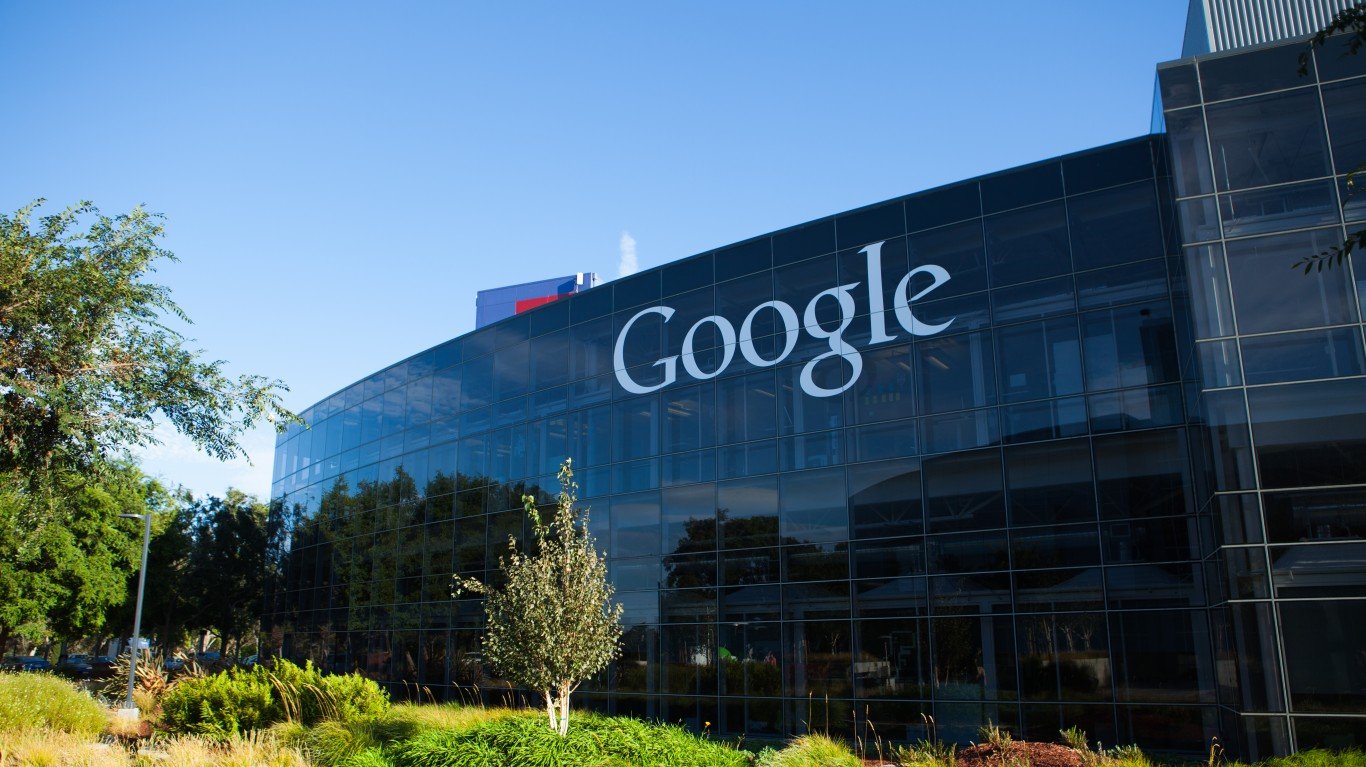
A federal judge rejected the Justice Department’s bid to force Google to sell its AdX advertising exchange, even after finding the company illegally monopolized the publisher ad-server and ad-exchange markets.
The liability finding stands, while the structural remedy was denied. Shares of Alphabet (NASDAQ:GOOG | GOOG Price Prediction, NASDAQ:GOOGL) responded in kind, with Barron’s noting that Alphabet rose as Google avoided another attempt at a business breakup. The detailed remedies remain temporarily under seal, and the DOJ is still weighing its next moves, so the shape of what Google will actually live under is not yet public.
What the Ruling Kept and What It Killed
The court declined the divestiture the government sought, but the monopoly finding is intact and behavioral restrictions are coming. An ad exchange is the auction house where publishers sell impressions to advertisers in real time; a publisher ad server decides which ad wins.
Google owned both sides of that transaction, and that was the conduct the court condemned. Reuters reports the case now heads into a compliance regime with an appeal path still open.

Why the Ad-Tech Line Understates the Strategic Stakes
Google Network revenue was $7.303 billion in Q2 2026, a rounding line next to Google Services at $94.54 billion and Cloud at $24.77 billion, up 82%. That is exactly why the divestiture threat was never the real drag on the equity. The ad-tech stack matters because it feeds identity, measurement, and pricing data into the rest of advertising, and behavioral remedies will constrain how those pieces talk to each other.
Behavioral remedies still carry a cost, though.
Living under a court-supervised consent structure means monitors, disclosures, and product decisions that route through lawyers. It slows integration work at a time when Sundar Pichai says, “Gemini models now process 22 billion API tokens per minute and the Gemini App has 950 million monthly active users.”
Compliance friction is a tax on speed, and speed is what the AI cycle rewards, which is also why the power, cooling, and networking suppliers behind the data centers keep showing up in our free report on seven AI infrastructure names that are not chipmakers.
Judge Amit Mehta’s separate finding that Google illegally monopolized search still awaits its own remedy conclusion. Search & other delivered $63.27 billion in Q2 2026. That is the figure most exposed to the ongoing search remedy proceedings. This week’s ruling does not touch it.
Is Alphabet Stock a Buy?


At $337.12 and a P/E of 15x, Alphabet trades below Meta Platforms (NASDAQ:META) at roughly 22x, Microsoft (NASDAQ:MSFT) at 28x, and Amazon (NASDAQ:AMZN) at 35x, while Cloud grew 82% and the one-year return sits at 59.96%.
Analysts have 58 Buy ratings and 5 Hold ratings, with a target price of $428.07. The setup looks constructive on relative valuation. The ad-tech win is genuine; courts have now declined structural relief against Big Tech three times in recent years, and that pattern is worth more over a decade than any single exchange. The search remedy is still the risk to watch.
Contact [email protected] for any questions or corrections.
Omor Ibne Ehsan is a writer at 24/7 Wall St. He is a self-taught investor with a focus on growth and cyclical stocks that have strong fundamentals, value, and long-term potential. He also has an interest in high-risk, high-reward investments such as cryptocurrencies and penny stocks.