“Being Too Prudent Is Actually Reckless”: Cramer as the Safe Bond Fund Loses Money Over 5 Years
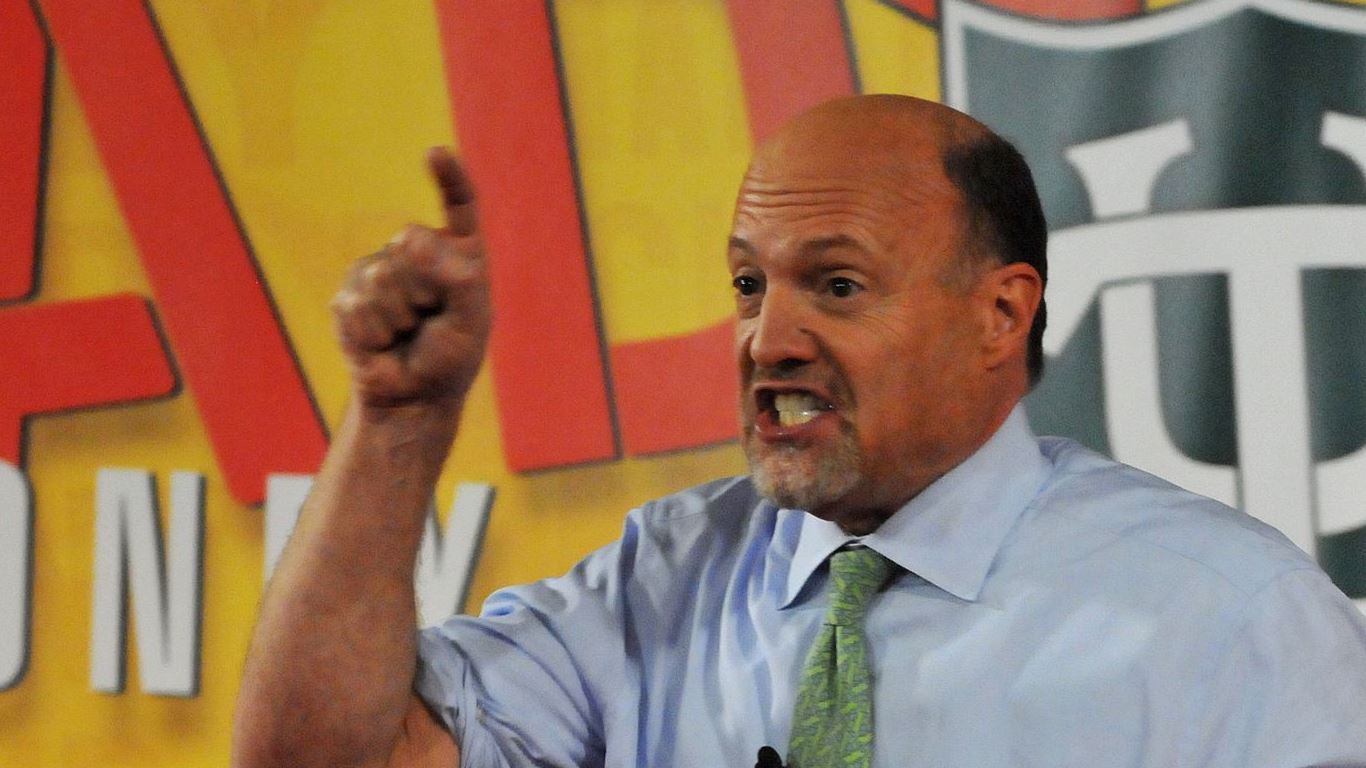
Jim Cramer told a caller that playing it safe with bonds can be the most dangerous move a young investor makes, and five years of market data back him up in a way that is genuinely uncomfortable to look at.

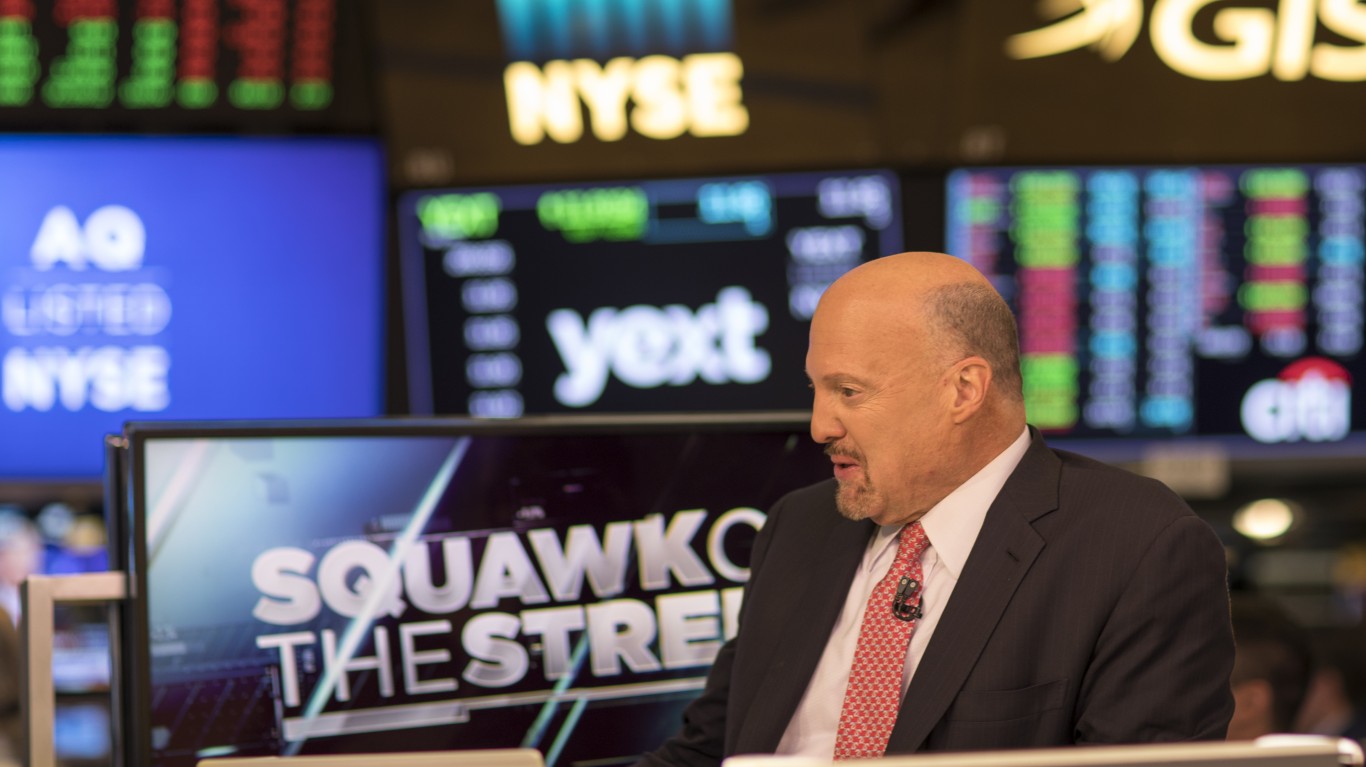
Mad Money host Jim Cramer argues that ultra-conservative bond allocations have quietly punished patient savers over the past half decade. His flagship example is a fund that some Americans hold as their portfolio’s ballast, and the numbers behind his contention are hard to argue with.
The iShares Core U.S. Aggregate Bond ETF (NYSEARCA:AGG) trades at $96.92, and its price is down 17% over the past five years. That drawdown lines up with the Federal Reserve’s aggressive tightening cycle, which lifted yields on newly issued bonds and pushed the prices of older, lower-coupon bonds lower.
Meanwhile, the SPDR S&P 500 ETF Trust (NYSEARCA:SPY) trades at $763.64 and is up 70% over the same five years. That opportunity cost sits at the heart of Cramer’s on-air argument.
Cramer’s “Reckless Prudence” Line
On a June 22 episode, Cramer took a call from Michelle in New Hampshire, who said her portfolio “was doing fine before inflation for the interest or rate hike and now it’s almost all red.” Cramer’s response was the line that the segment is remembered for: “But for young investors, being too prudent is actually reckless.”
Cramer’s argument centers on time horizon. When a saver with decades ahead parks capital in high-grade bonds to sidestep equity volatility, that position can lock in a slow drain on purchasing power, especially in stretches when nominal prices also fall. His framing puts the real risk on the bond side of the ledger for anyone still working.
Price Versus Total Return on AGG
The AGG ETF’s headline decline doesn’t tell the full story of what a buy-and-hold investor actually experienced. AGG pays monthly, and the fund distributed roughly $3.96 per share over the trailing 12 months, income that meaningfully closed the gap for anyone reinvesting or spending its coupons. A total-return figure that includes those distributions looks noticeably better than the price chart alone.
The Vanguard Total Bond Market ETF (NASDAQ:BND) is another large core bond fund that investors use for the same purpose. The BND ETF’s recent trajectory has closely tracked AGG’s, and the underperformance versus equities has been broadly a category-wide story affecting the two funds together. Rising 10-year Treasury yields at 4.78% have pressured existing bond prices even as fresh coupons continue to flow.
What to Watch
The backdrop Cramer described still holds today. The Fed’s target upper bound sits at 3.75%, and 10-year Treasury yields at 4.78% keep duration-heavy funds under pressure and offer equity buyers a genuine cash alternative to weigh.
Investors can weigh their bond exposure against the horizon they’re actually investing over, since a five-year drawdown that would end a working retiree’s plan is a rounding error for a 25-year-old. Their allocation should reflect when they’ll need the money, and moderate position sizes on both sides can prevent either regret from becoming permanent. A twenty-something and a sixty-year-old have very different tolerances for a five-year hole in a supposedly safe holding.
Market watchers can keep an eye on whether the Fed’s next meeting delivers a fresh cut, since additional easing would relieve pressure on AGG and BND while giving the equity leg further validation for anyone who stayed the course.
Contact [email protected] for any questions or corrections.
David Moadel is financial writer specializing in stocks, ETFs, options, precious metals, and Bitcoin. David has written well over 1,000 articles for leading online publications, helping investors understand markets, income strategies, and risk.His work has appeared in The Motley Fool, InvestorPlace, U.S. News & World Report, TipRanks, ValueWalk, Benzinga, Market Realist, TalkMarkets, Finmasters, 24/7 Wall St., and others.With a master’s degree in education, David has taught at the elementary, high school, and college levels. That teaching background shapes his writing style: clear, educational, and practical. David has also built a loyal social-media audience by providing trustworthy financial content on YouTube, X/Twitter, and StockTwits.