Cramer Sounds the Alarm on Bonds While Wes Moss Says Don’t Panic. Why Both Are Right.
Jim Cramer and Wes Moss looked at the same bond selloff and reached opposite conclusions, yet both turned out to be right. The reason comes down to which question each one was actually answering.


The 10-year Treasury yield closed at 5.28% on October 2, 2026, according to the St. Louis Federal Reserve’s FRED database. The same benchmark, on July 9, 2026, stood at 4.54%, its 90-day low. Over the past month alone, it rose 0.49 percentage points, and the yield reached a fresh high going back to 2002.
Two well-known market voices looked at the same selloff and came to opposite conclusions. Yet both are correct because each is answering a different question.
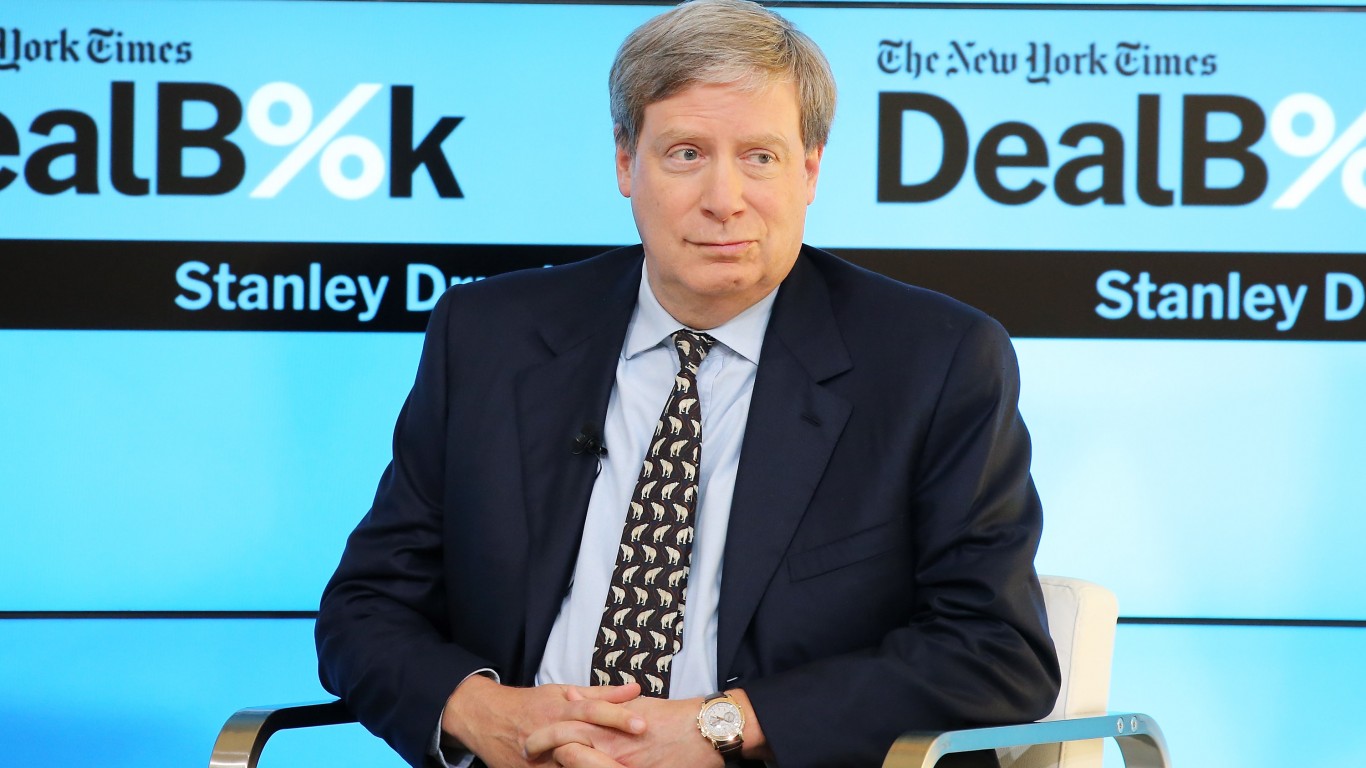
Cramer Treats Bonds as Washington’s Report Card
On Mad Money Monday evening, Jim Cramer said: “Bonds, not oil, are telling the truth, at least longer term. Always bank on the bond market longer term, even if we are in the throes of oil gyrations at this very moment.”
In September, Treasury Secretary Scott Bessent told investors “I am the house now” as a warning to bond bears. Yields kept rising anyway. Cramer responded: “Treasury Secretary Bessent basically copped to not being able to stop a bond market slide with his meager multibillion-dollar bond buys. He’s plugging the dike with a finger, and it has $31 trillion in Treasuries behind it.”
Cramer’s question is about the economy as a whole. The Fed raised its upper target to 4.00% on September 17, 2026, and long-term yields have climbed well past that level. Investors are asking for extra pay specifically for lending to Washington for long periods. The core PCE price index hit 130.455 in August, its highest reading of the past year. Mortgages and corporate loans are priced off the long end, so this pressure spreads to borrowers everywhere.
Moss Says the Selloff Handed Savers a Better Starting Point
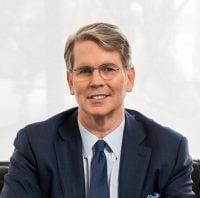
On The Clark Howard Podcast Tuesday morning, Wes Moss agreed with Cramer that the 10-year yield is the one that counts: “It sets rates for almost everything.” He reached a cooler conclusion, though: “I don’t see this as a panic. It’s just a function of many economic variables.”
His case rests on simple math. With rates starting in the 5% range, Wes Moss called bonds “a more favorable asset class than it was a year ago.” The 10-year real yield was 2.95% on October 5, 2026.
Why Current Holders and New Buyers Face Different Math
Picture a fund full of bonds paying about 4.5%. When new bonds start paying more than 5%, no one will pay full price for the older, lower-paying ones. Their market price falls until their effective yield matches the new rate. That drop is the paper loss on your statement.
A fund keeps reinvesting maturing bonds and interest at the new, higher rates. Over a period roughly equal to the fund’s duration, the additional income tends to offset the price drop. Someone buying next week takes no loss at all and starts earning the higher income right away.
Cramer’s warning matters most to anyone hurt by higher borrowing costs: stock investors, homebuyers, and retirees who must sell bond fund shares soon to pay bills. Moss’s view suits savers putting in new money, retirees who can hold through their fund’s duration, and anyone comparing an income stock with a guaranteed rate.
What Would Change the Picture
Yields eased early Tuesday, but a single day’s move settles nothing. If the 10-year keeps climbing while the Fed holds at 4.00%, Cramer’s case gets stronger: it would show that concerns about Washington’s finances are being priced into long-term debt. If it drifts back toward early-July levels without a recession, Moss’s call for patience pays off. In both cases, new money is starting from the best yield in decades.
Contact [email protected] for any questions or corrections.
Trey has been an editor and author at 24/7 Wall St. for more than a decade, where he has published thousands of articles analyzing corporate earnings, dividend stocks, short interest, insider buying, private equity, and market trends. His comprehensive coverage spans the full spectrum of financial markets, from blue-chip stalwarts to emerging growth companies.
Beyond 24/7 Wall St., Trey has created and edited financial content for Benzinga and AOL's BloggingStocks, contributing additional hundreds of articles to the investment community.
Trey's editorial expertise extends across multiple publishing environments. He served as production editor at Dearborn Financial Publishing and development editor at Kaplan, where he helped shape financial education materials. Earlier in his career, he worked as a writer-producer at SVE. His freelance editing portfolio includes work for prestigious clients such as Sage Publications, Rand McNally, the Institute for Supply Management, the American Library Association, Eggplant Literary Productions, and Spiegel.
Outside of financial journalism, Trey writes fiction and has been an active member of the writing community for years, moderating workshop sessions at regional conventions.