Apple’s New CEO Signals Heavy iPhone Reliance: Do You Buy It?
John Ternus just made his first big call as Apple's new CEO, betting the entire AI future on one device. Whether that concentration becomes the company's greatest strength or its most dangerous vulnerability depends on what happens over the next…

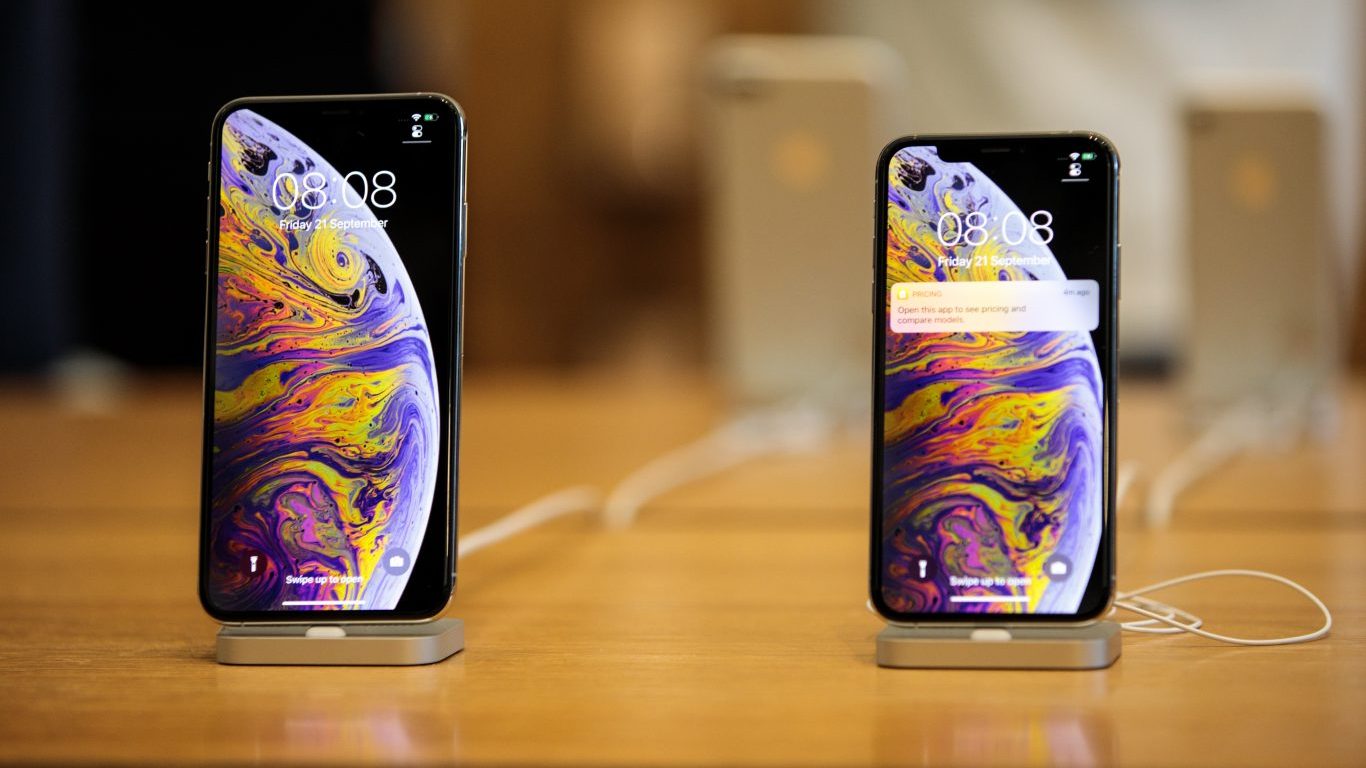
At $315.34, Apple (NASDAQ:AAPL | AAPL Price Prediction) is a Hold, because the new CEO’s decision to double down on the iPhone is working right now but leaves the stock priced for with little margin for error heading into an unproven AI cycle. The question posed by this week’s keynote is whether that concentration is a feature or a bug.
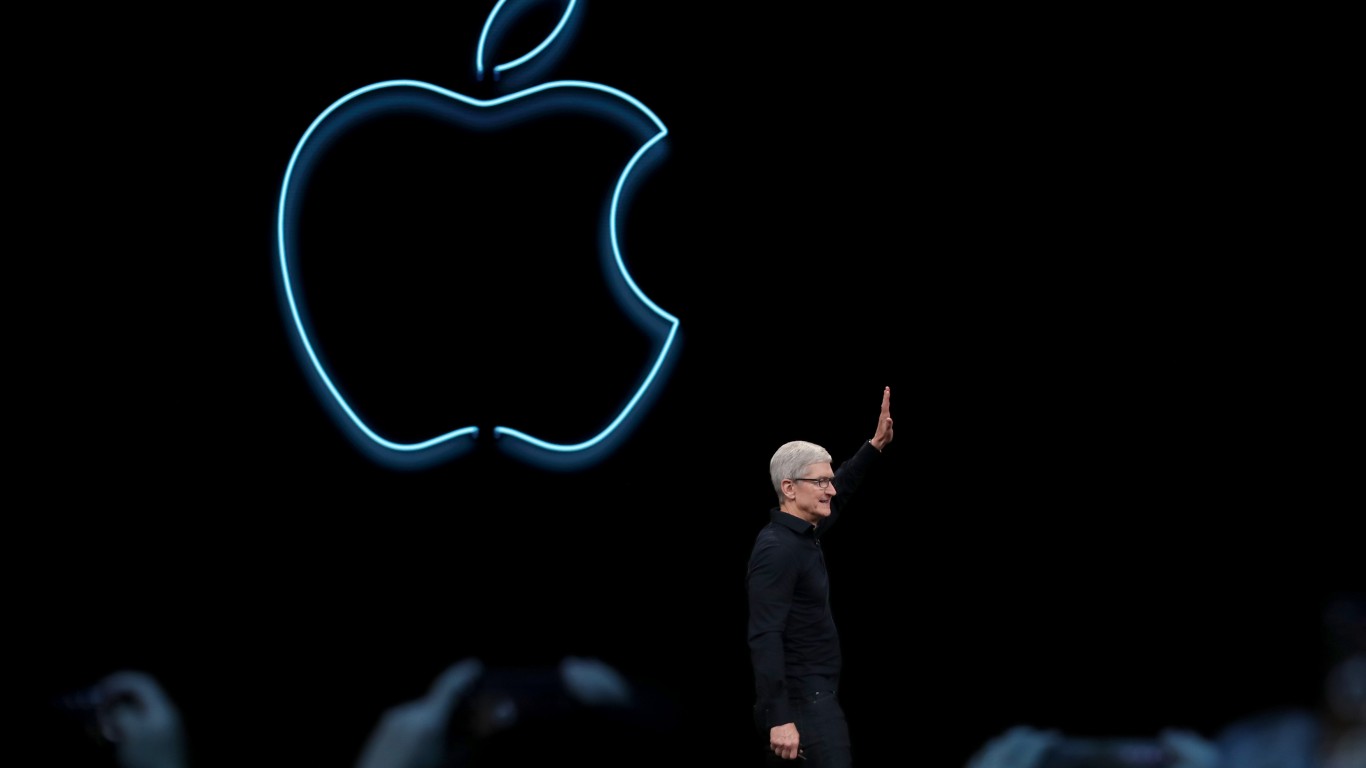
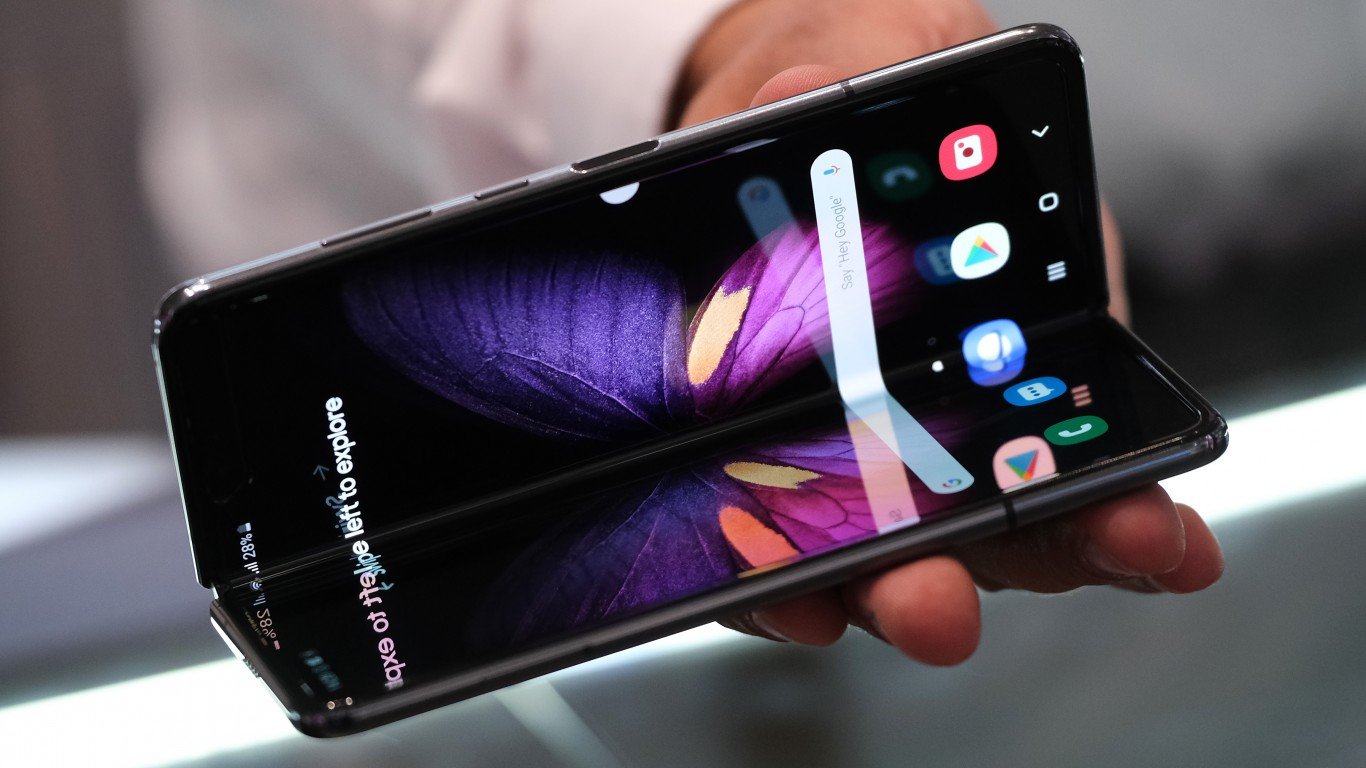
Apple’s new chief executive John Ternus officially took the CEO role on September 1 and used his first launch event on Wednesday to unveil a foldable iPhone Duo priced at $1,999, alongside refreshed hardware and messaging that placed the phone squarely at the center of the AI strategy.
That framing arrives with real numbers behind it. iPhone generated $54.25 billion in fiscal Q3 2026, still roughly half of the $109.42 billion total. The device is both the growth engine and the concentration risk investors are being asked to underwrite.
Why the iPhone Bet Could Pay Off
The bull case starts with a product cycle that keeps outrunning expectations. iPhone revenue rose 22% year over year, Mac grew 29%, and Services hit a June-quarter record of $30.7 billion. Tim Cook told analysts “the iPhone and the Mac are both doing remarkably better than we thought they would do.”
Capital return remains enormous. Apple authorized a new $100 billion buyback and repurchased $90.71 billion of stock in FY25. The board also lifted the dividend 4%. On the AI front, Ternus is inheriting a reimagined Siri and pricing power that Deepwater’s Gene Munster estimates could add only $3 to $5 per month for upgraders even with a 15% price hike.
Why the Rich Multiple Looks Dangerous
Bears see a stock trading at a P/E of 41 with a forward P/E of 33, well above Apple’s historical 25 to 30 range. Fiscal Q3’s headline EPS of $2.02 included an 11 cent tariff-refund benefit, and management warned that supply constraints will increase significantly next quarter across iPhone, Mac, and iPad.
Memory costs are the other worry. Cook called it a “100-year flood on the memory pricing” and confirmed Apple reluctantly raised prices. Forward EPS estimates for FY27 have drifted from $9.68 sixty days ago to $9.57, with 23 downward revisions against 6 upward in the trailing 30 days. On top of that, OpenAI has reportedly poached 400 Apple employees, a talent drain during a critical AI transition.
Why Patience Beats Conviction Right Now
The Hold case rests on a stock priced for both sides to be partially right. The fundamentals are excellent: ROE of 171.4%, operating margin of 32.0%, and an installed base above 2.5 billion active devices. But the valuation already reflects that quality, leaving little cushion if Siri AI underwhelms or if supply constraints crimp the December quarter.
Ternus is essentially untested at the CEO level, and Bloomberg’s Mark Gurman framed the transition as an Andy Jassy style handoff, with Cook expected to remain involved through 2028 or 2029. Investors get a runway to judge execution before repricing the stock either direction.
What the Numbers Actually Show
Apple currently trades at $315.34 against a mean analyst target of $323.86, implying roughly 2.7% upside. That target is a snapshot of consensus, not a promise. Coverage is deep, with 6 Strong Buy, 19 Buy, 14 Hold, 3 Sell, and 2 Strong Sell ratings across 44 analysts.
Shares are up 16.31% year to date and 35.06% over one year, comfortably ahead of the S&P 500’s 11.81% YTD and 17.24% one-year gains. Composite sentiment sits at a neutral 47.4, softening 13.25 points over the past week.
Verdict: Hold Until Ternus Proves the AI Thesis
At $315.34, Apple is a Hold. Here is why.
The setup is genuinely balanced. A stock trading at 41 times earnings with only 2.7% upside to consensus does not offer a comfortable margin of safety, but the underlying business is compounding at rates that justify a premium. Selling here means betting against a company gaining share globally per IDC and posting double-digit growth in every geographic segment.
The buy trigger is clear: evidence that Siri AI drives a measurable iPhone upgrade wave through the holiday quarter and into fiscal 2027, or that memory costs stabilize and margin guidance for the December quarter beats the 47% to 48% already telegraphed. Either would validate paying up for the platform.
The sell trigger is equally identifiable: a botched Siri rollout, a demand air pocket after the iPhone 17 and foldable launch, or a Greater China relapse that erases the recent rebound. Any of those would puncture the premium multiple quickly.
Owning Apple through this transition costs almost nothing given the buyback backstop and Services annuity, while acting prematurely in either direction sacrifices information the next two earnings prints will provide.
Contact [email protected] for any questions or corrections.
Alex Sirois is a financial writer with experience spanning both retail and institutional investing. He has written for InvestorPlace and held roles at BNY Mellon and Bernstein, giving him a perspective that bridges Main Street portfolios and Wall Street analysis.
Alex holds an MBA from George Washington University and has built his career across multiple industries, including e-commerce, education, and translation — a breadth of experience that informs how he breaks down complex financial topics for everyday investors. His writing is conversational, actionable, and grounded in long-term, buy-and-hold investing principles.
At 247 Wall St., Alex focuses on delivering analysis that is both accessible and useful, with a clear emphasis on helping readers make more informed decisions with their money.