Cramer Asked Who Was Buying Gigantic Bloom Energy Calls. A Pelosi Filing Named Two of the Same Stocks Weeks Earlier.
Jim Cramer spotted gigantic flex-call buying across a basket of tech and energy names on live television and openly asked who was behind it. A House disclosure filed weeks earlier quietly named two of those same stocks.


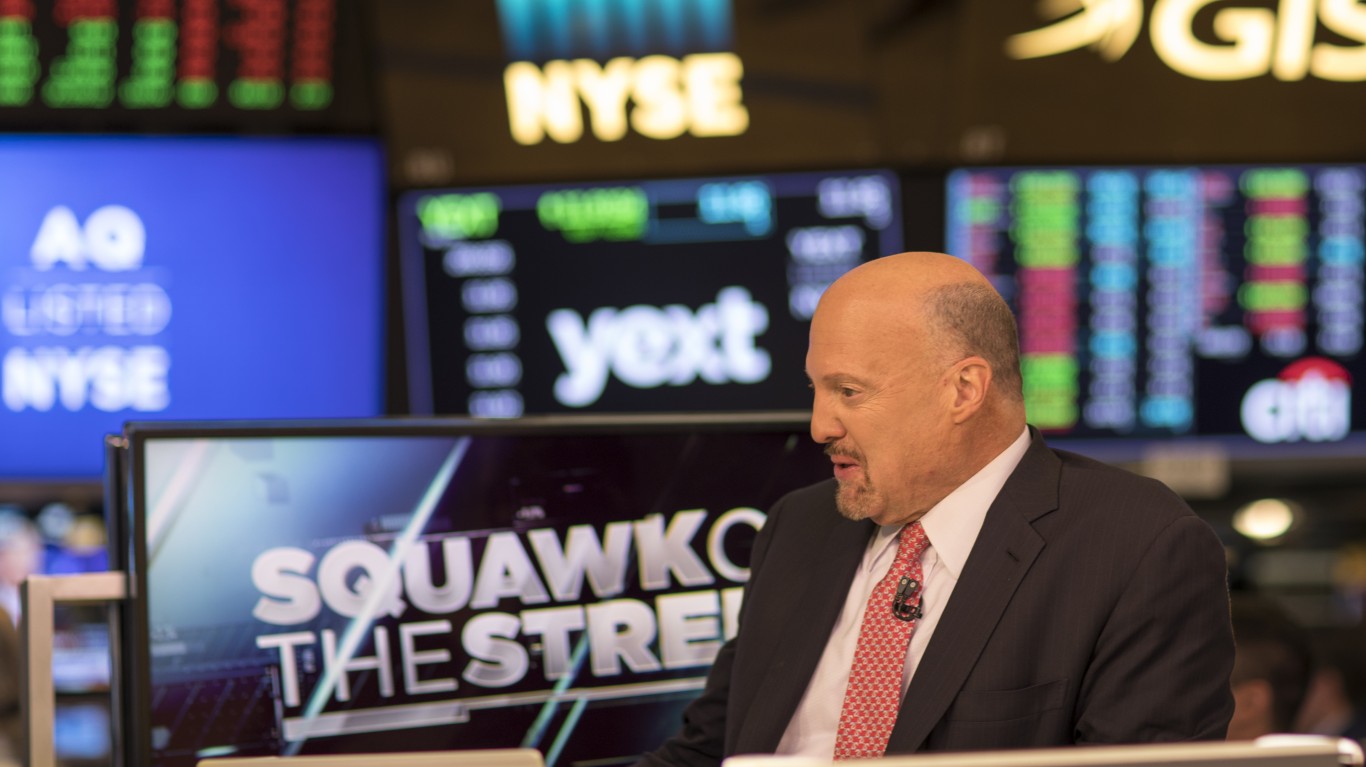
Jim Cramer used his Mad Dash segment on CNBC’s Squawk on the Street to flag what he described as outsized call buying, executed through flex calls, across a basket of technology and energy names. He ran through Sandisk, Bloom Energy, Intel, Micron, SK hynix and AMD, and openly asked whether a well-known earlier buyer had returned to the market.
His verbatim question: “A lot of people are speculating that he’s back? I think that someone’s imitating him.” He added, “But these are gigantic buys using flex calls.” Cramer’s own read leaned toward imitation, and he named nobody.
A flex call is a customized listed option that lets an institutional buyer negotiate strike, expiry and exercise style outside standard contract conventions. Cramer’s framing was that a buyer wanted defined exposure to a specific list of names without committing to the underlying shares at that day’s price. As he put it, “maybe someone’s saying, you know what, we got to be in these stocks, but you don’t want to be in today.”
What the House Filing Actually Shows
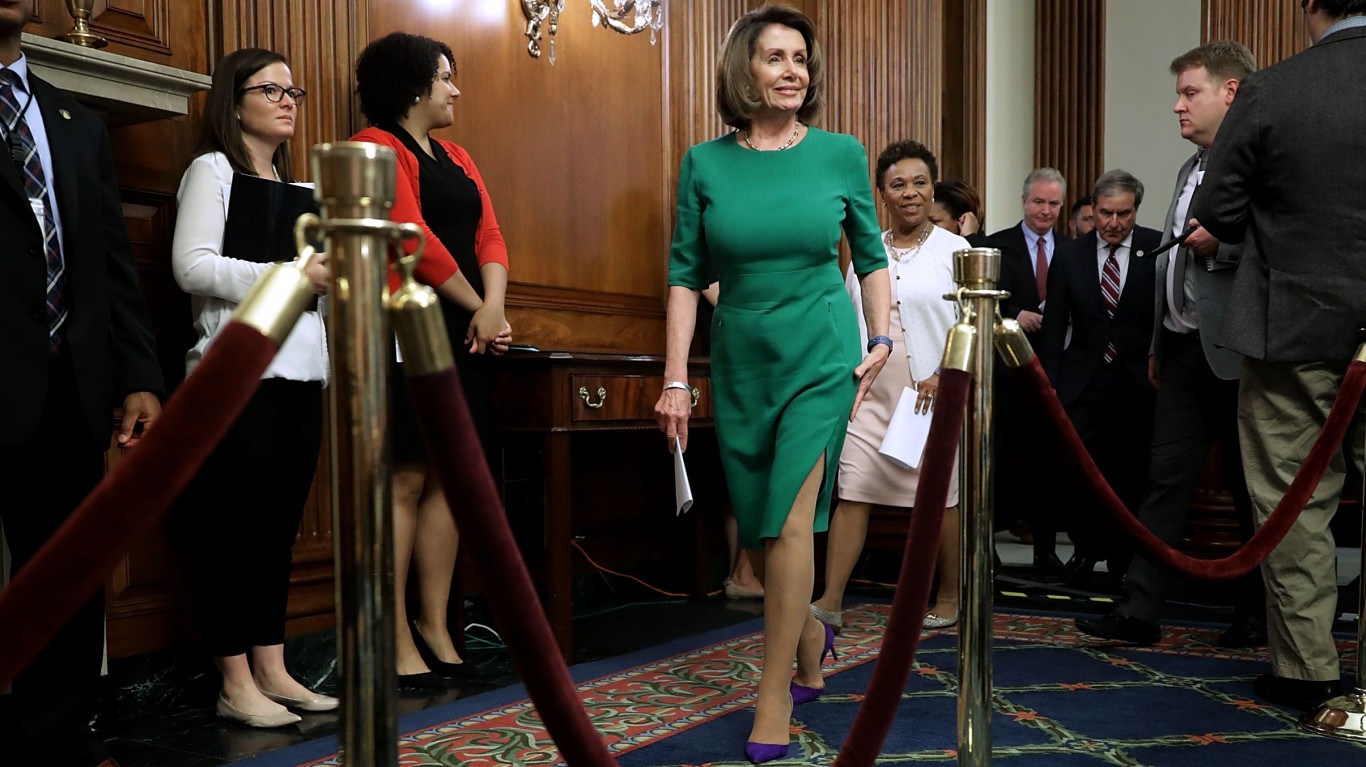
A House periodic transaction report attributed to Nancy Pelosi’s spouse, filed in August and covering purchases dated in late July, disclosed a new position in Bloom Energy (NYSE:BE) shares and call options, alongside additional Intel (NASDAQ:INTC | INTC Price Prediction) shares and calls that added to a previously disclosed Intel options position. Per Quiver Quantitative’s reporting on the filing, the Bloom Energy calls fell in a $1 million to $5 million band and the Intel options in a $250,000 to $500,000 band.
Congressional filings report only broad dollar bands and never execution prices, so the true commitment could differ materially from any band figure. The document itself is the authoritative record, and it can be pulled directly from the House Clerk’s public disclosure portal. We covered the Bloom Energy options tape and this disclosure in prior reporting.
Market Window Scoreboard
Between July 24, 2026 and September 11, 2026, Bloom Energy rose 49.14%, closing the window at $275.75. Over the same period, Intel gained 11.5%, ending at $102.94. Bloom Energy is up 309.79% over one year and rose 6.66% in its latest session.
Sandisk Counterweight Investors Should Not Skip
Sandisk (NASDAQ:SNDK), the name Cramer led with on air, moved the other way. The NAND memory maker fell 6.13% over the past week and dropped a further 3.5% in the latest session to close at $1,633.35, even as Bloom Energy climbed in the same session. Year-to-date, Sandisk is still up 588.07% on the back of a datacenter mix shift that produced fiscal Q4 revenue of $8.97B, up 371.6% YoY, but the basket Cramer named did not trade as one thing. Micron (NASDAQ:MU) slipped 4.07% on the week, while AMD (NASDAQ:AMD) gained 8.07%. SK hynix trades in Seoul and is mentioned only as a name Cramer said aloud.
Fundamental Backdrop Behind the Basket
The AI infrastructure thesis under the basket is intact. Bloom Energy’s Q2 FY2026 revenue hit $1.07B, up 165.5% YoY, and CEO KR Sridhar told investors that “all the major US hyperscalers and over a dozen US neoclouds, AI labs, and colocation data center operators have validated and approved our power solutions for their AI factories.” Bloom sits on the power-and-cooling side of the AI buildout rather than the chip side, which is the exact bucket we broke down in a free report on seven AI infrastructure suppliers that aren’t chipmakers. Intel posted Q2 revenue of $16.13B and Data Center and AI segment revenue of $6.26B, up 59%, per its SEC filing. AMD’s Data Center segment more than doubled to $6.72B, or 58% of company revenue. Micron guided fiscal Q4 revenue to $50.0B plus or minus $1.0B.
What the Collision Does Not Prove
Nothing in the public record connects the late-July disclosure to the flex-call flow Cramer described from last Friday. The disclosed trades are legal and were reported under House rules governing spousal transactions. Cramer named no one and stated he believed the recent activity looked like imitation. What readers get is a public document they can check for themselves against a live on-air question that a prominent commentator posed without an answer.
Contact [email protected] for any questions or corrections.
After two decades of patrolling the dark corners of suburbia as a police officer, Rich Duprey hung up his badge and gun to begin writing full time about stocks and investing. For the past 20 years, he’s been cruising the markets looking for companies to lock up as long-term holdings in a portfolio while writing extensively on the broad sectors of consumer goods, technology, and industrials. Because his experience isn’t from the typical financial analyst track, Rich is able to break down complex topics into understandable and useful action points for the average investor. His writings have appeared on The Motley Fool, InvestorPlace, Yahoo! Finance, Money Morning, and, of course, 24/7 Wall St. He has been featured in both U.S. and international publications, including MarketWatch, Financial Times, Forbes, Fast Company, and USA Today.