From Bad to Catastrophic: Saudi Pipeline Outage Threatens to Make Gas Prices Even More Brutal
A Houthi strike just knocked out the oil world's most critical backup route, and the window before global fuel stocks run dry is measured in days, not weeks. What happens at a Saudi port terminal over the next seven days…

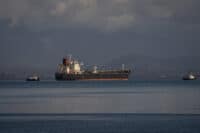
The single most important pipeline in global oil trade is offline, and the clock on the world’s fuel reserves is measured in days. Saudi Arabia’s East-West pipeline, which normally routes around 4 million barrels per day from the kingdom’s eastern oilfields to the Red Sea port of Yanbu, was shut down over the weekend after Houthi strikes hit Saudi infrastructure. That line alone carries roughly 4% of global supply. Stocks already sitting at Yanbu can keep tankers loading for only 5 to 7 days, with Egypt’s Ain Sukhna and Sidi Kerir terminals adding just a few more days of buffer. One source told Reuters repairs could take five to six weeks.
Why This Hits Harder Than a Normal Supply Shock
Pipeline outages happen. This one is landing on a market that was already close to breaking. Saudi crude production had fallen to 6.2 million barrels per day in August, down from 10.9 million in February, and the International Energy Agency projects global oil supply will drop by 5.7 million barrels per day, about 6%, for the year. The East-West line matters more than its throughput number suggests because it is the workaround for the Strait of Hormuz, which has been intermittently disrupted for months. Take out the workaround, and the world loses its Plan B.
Prices have already moved. Brent settled at $109.51 a barrel on September 9, up from $87.77 on August 26. West Texas Intermediate finished the same session at $97.26, after starting July near $69.74. Both are above $100 a barrel today. The EIA’s Short-Term Energy Outlook in May had already cut OPEC spare capacity forecasts to 2.5 million barrels per day for 2027, down from a prior 3.8 million. There is no obvious replacement barrel sitting idle.
Pump Prices, Grocery Aisles, and Mortgage Rates Feel the Squeeze
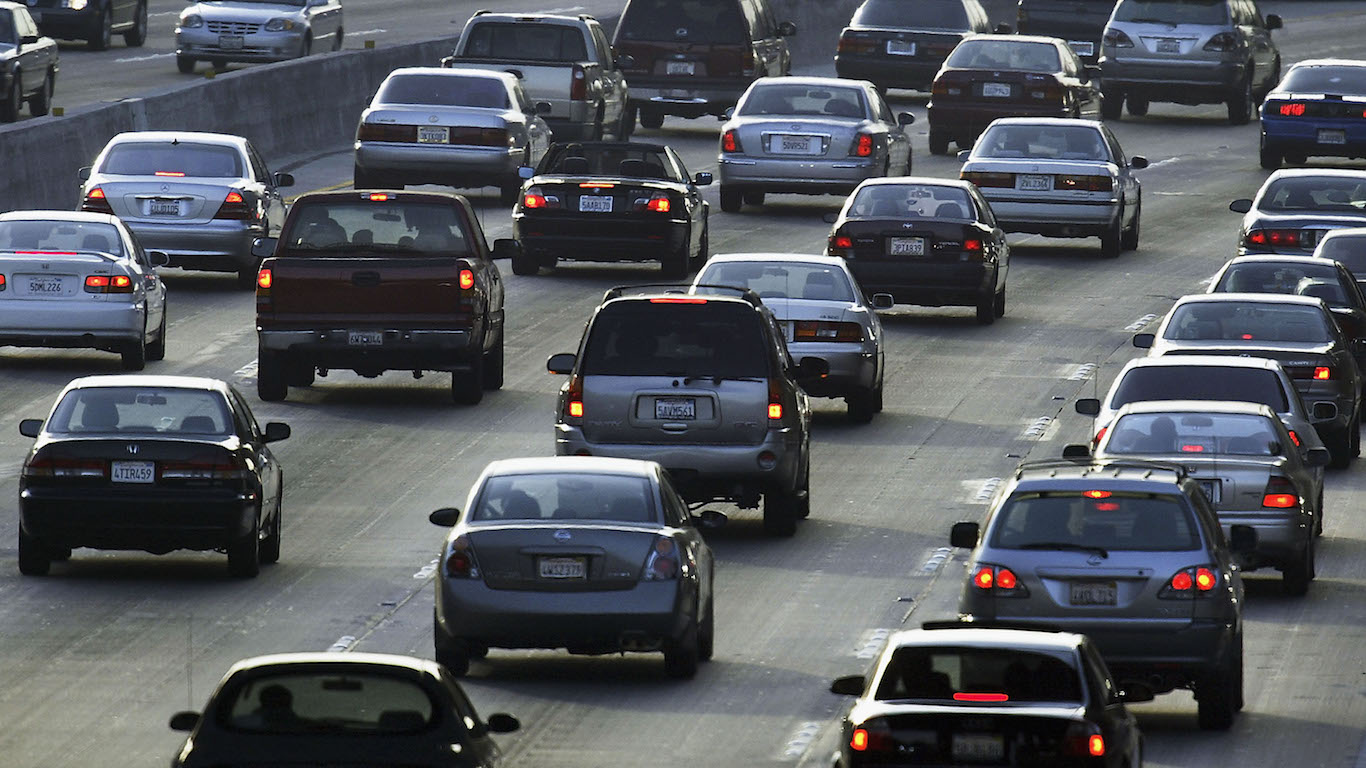
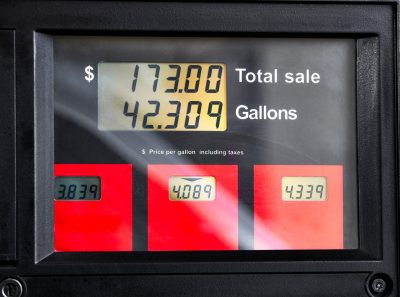
American drivers are already paying $4.31 per gallon for regular gasoline as of September 13, above the EIA’s $4.00 “painful for budgets” threshold and near the one-year high of $4.50 set in May. That price reflects Brent at $104 today. If the pipeline stays down through October and crude retests the $138 April peak, the pump price does not stay in the low $4s.
The macro spillover is already visible. The Consumer Price Index rose 0.4% in August, its period high. The 10-year Treasury yield closed at 4.95% on September 10, its highest reading in the year covered and the highest since the 2008 financial crisis. Consumer sentiment sits at 55.2, still inside the University of Michigan’s recessionary range below 60. An energy shock feeds every one of these numbers in the wrong direction. Mortgage costs rise with the 10-year yield. Diesel prices flow into food, freight, and everything shipped by truck.
What to Watch in the Next Two Weeks
The specific signal is a Saudi Aramco or energy ministry statement confirming either a partial restart or a fixed timeline. Silence past day seven, when Yanbu’s tank stocks run dry, tells markets the outage is real and open-ended. Watch for two follow-ons: an emergency Strategic Petroleum Reserve release (the SPR sat at 243.5 million barrels in recent quarters, well below its historical level), and any OPEC+ statement on unwinding voluntary cuts. If neither arrives before the Yanbu tanks empty, $4.31 gasoline will look cheap by Halloween.
Contact [email protected] for any questions or corrections.
After two decades of patrolling the dark corners of suburbia as a police officer, Rich Duprey hung up his badge and gun to begin writing full time about stocks and investing. For the past 20 years, he’s been cruising the markets looking for companies to lock up as long-term holdings in a portfolio while writing extensively on the broad sectors of consumer goods, technology, and industrials. Because his experience isn’t from the typical financial analyst track, Rich is able to break down complex topics into understandable and useful action points for the average investor. His writings have appeared on The Motley Fool, InvestorPlace, Yahoo! Finance, Money Morning, and, of course, 24/7 Wall St. He has been featured in both U.S. and international publications, including MarketWatch, Financial Times, Forbes, Fast Company, and USA Today.