Tesla Takes Back America
Tesla's brand loyalty cratered and its stock shed over $500 billion in value after Elon Musk waded into politics, yet something unexpected has since shifted the company's fortunes in ways its rivals can no longer match.

This post may contain links from our sponsors and affiliates, and Flywheel Publishing may receive compensation for actions taken through them.

In mid-2025, Tesla’s (NASDAQ: TSLA | TSLA Price Prediction) sales had collapsed. CEO Elon Musk’s relationship with President Trump had crippled sales and the company’s stock. Reuters reported that S&P Global Mobility Research found that “brand loyalty” had “plunged.” A year earlier, its customers were the most loyal among major US car companies.
Tesla’s stock also plunged during that period. It traded for $436 a share at the start of 2025. By late April, it was $240. More than $500 billion in market cap disappeared.
What a difference a year and a half makes. Tesla’s market share in the US is back to 52%. Overall EV sales in the US are down 30% through August, according to The Wall Street Journal. Tesla’s are off 16%.
However, Tesla has a chance to do even better if the EV industry rebounds, even modestly. Major global manufacturers that believed they could conquer the US EV market have watched their efforts collapse. This includes GM (NYSE: GM), Ford (NYSE: F), and companies based in South Korea and Europe. And there are few signs they will be back. Most have already changed their factories to build other products.
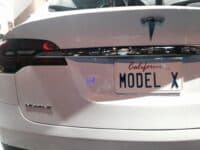
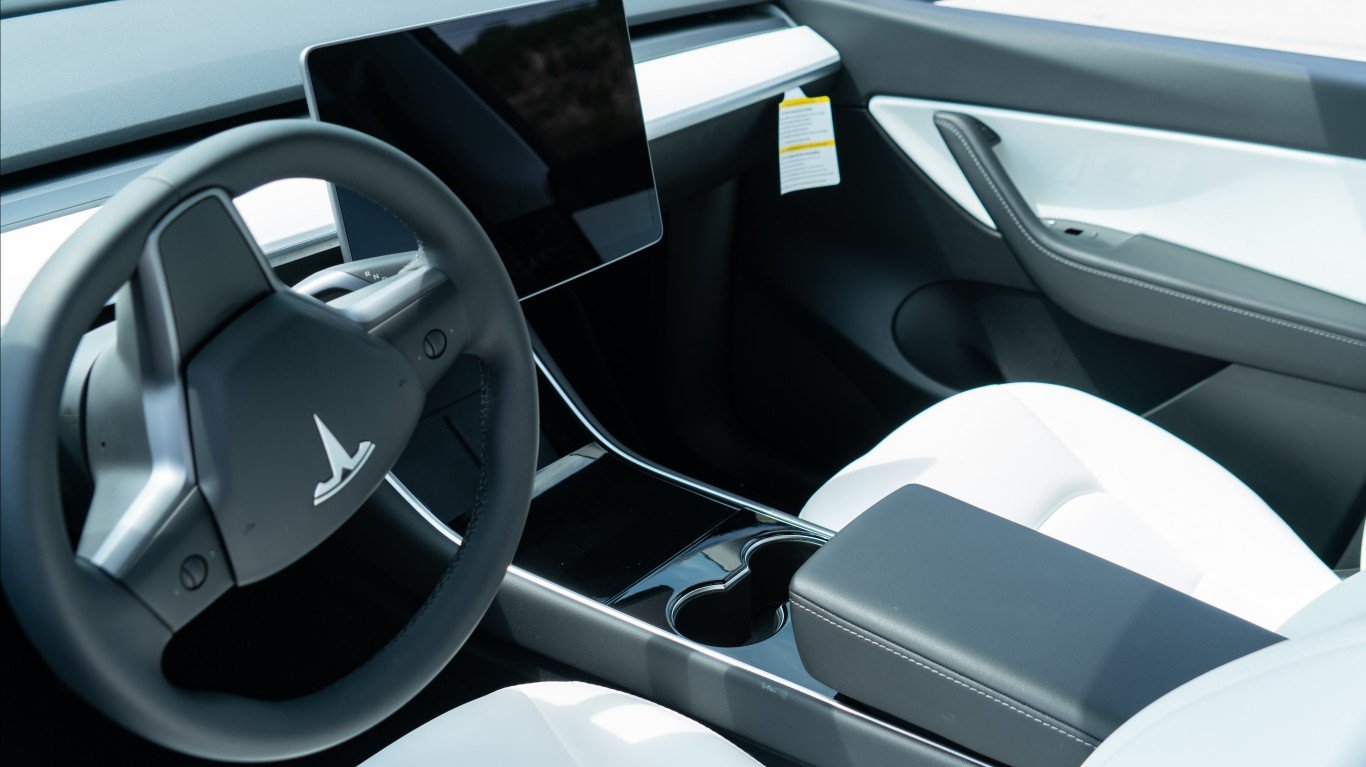
Tesla has one significant challenge. Its models are old. It has dumped two models—the Model S and Model X. It relies on its two best-selling models—the Model Y and Model 3. If it needs a major overhaul, none seems planned in the near term.
To its benefit, its Full Self-Driving (Supervised) is often said to be the best autonomous driving software in the industry. If local and state regulators approve real self-driving, Tesla can capitalize on it as fast as any car company. It already has a large installed base of people who pay $99 a month for the feature.
Elon Musk says Tesla is really a robotics and AI company. Car sales still matter. And those are getting better.
Contact [email protected] for any questions or corrections.
Douglas A. McIntyre is the co-founder, chief executive officer and editor in chief of 24/7 Wall St. and 24/7 Tempo. He has held these jobs since 2006.
McIntyre has written thousands of articles for 24/7 Wall St. He is an expert on corporate finance, the automotive industry, media companies and international finance. He has edited articles on national demographics, sports, personal income and travel.
His work has been quoted or mentioned in The New York Times, The Wall Street Journal, Los Angeles Times, The Washington Post, NBC News, Time, The New Yorker, HuffPost USA Today, Business Insider, Yahoo, AOL, MarketWatch, The Atlantic, Bloomberg, New York Post, Chicago Tribune, Forbes, The Guardian and many other major publications. McIntyre has been a guest on CNBC, the BBC and television and radio stations across the country.
A magna cum laude graduate of Harvard College, McIntyre also was president of The Harvard Advocate. Founded in 1866, the Advocate is the oldest college publication in the United States.
TheStreet.com, Comps.com and Edgar Online are some of the public companies for which McIntyre served on the board of directors. He was a Vicinity Corporation board member when the company was sold to Microsoft in 2002. He served on the audit committees of some of these companies.
McIntyre has been the CEO of FutureSource, a provider of trading terminals and news to commodities and futures traders. He was president of Switchboard, the online phone directory company. He served as chairman and CEO of On2 Technologies, the video compression company that provided video compression software for Adobe’s Flash. Google bought On2 in 2009.