Exxon Nears Venezuelan Oil Deal, After Trump Says U.S. Secured 65 Billion Barrel Agreement With Country
Exxon Mobil is closing in on a return to Venezuela nearly two decades after Hugo Chavez seized its operations there, and the barrel figures flying around the deal tell very different stories depending on who is counting.

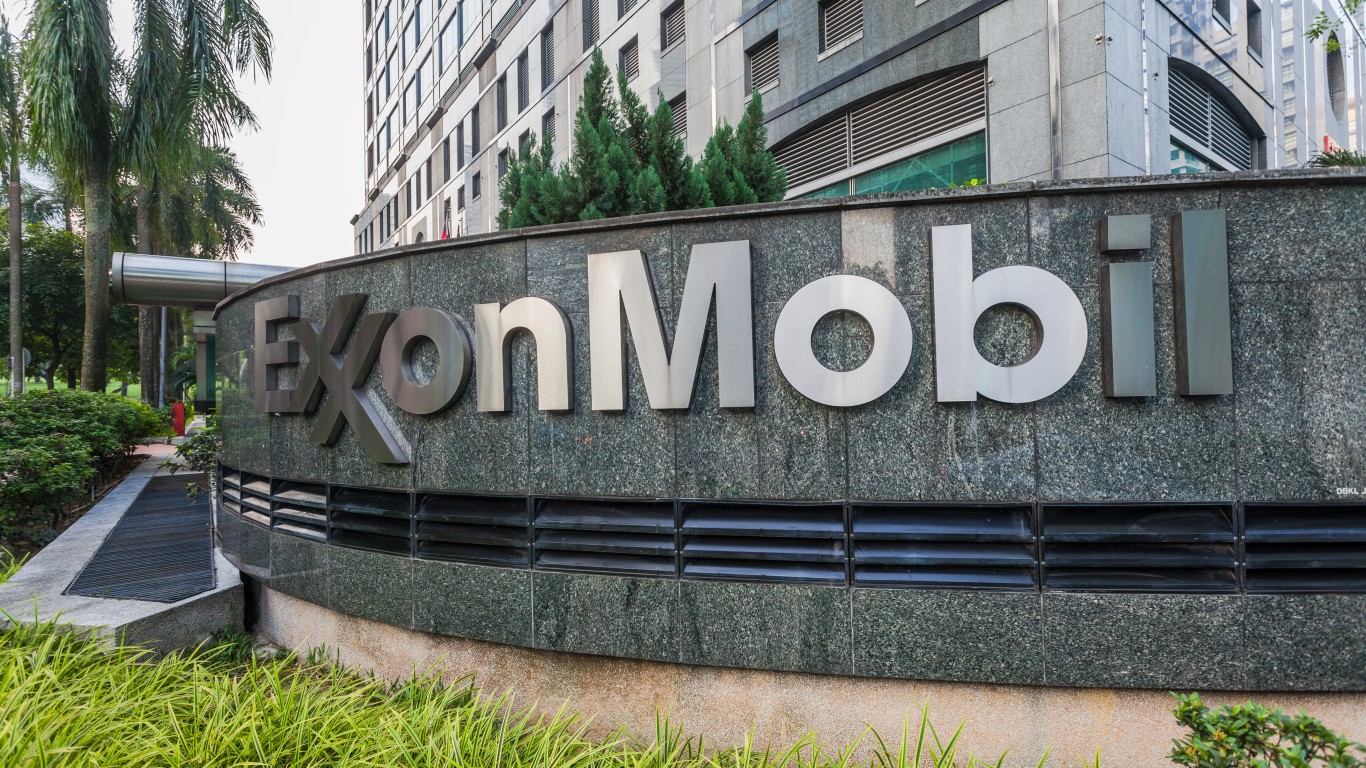
Exxon Mobil (NYSE:XOM | XOM Price Prediction) is moving toward a return to a country it walked away from nearly two decades ago. The Wall Street Journal reported on September 16, 2026 that Exxon is nearing a deal to invest in Venezuelan oil fields, and WTVB reported on September 17, 2026 that Exxon is advancing talks to return to Venezuela’s Orinoco Belt, according to sources. According to finance.biggo.com, ExxonMobil is eyeing a return to Venezuela after 19 years, weighing an investment in fields that carry very large geological estimates.
On CNBC, Becky Quick said ExxonMobil is reportedly nearing a deal to invest in a number of Venezuela’s developed and undeveloped oil fields, and that those fields collectively contain more than 50 billion barrels of oil. Separately, Becky Quick said Harold Hamm’s Continental Resources signed a memorandum of understanding with Venezuela’s state oil company to develop an area with an estimated 30 billion barrels of oil reserves. The Wall Street Journal characterized the Continental agreement, signed on September 16, 2026, as a preliminary oil deal. According to energynewsbeat.co, Continental’s memorandum of understanding with Petroleos de Venezuela covers the Ayacucho 2 Block in the Orinoco Belt and marks the Oklahoma independent’s first move into the country.
What the Barrel Figures Actually Describe
The fields “contain” these volumes. That is a geological estimate of oil in the reservoir. It is not Exxon’s booked reserves, not Continental’s booked reserves, and not production. A memorandum of understanding is not a signed contract, and the preliminary label matters.
The two deal figures also do not add up to any headline number. The article title references Trump saying the United States secured a 65 billion barrel agreement with Venezuela. That claim comes from a different source, describes something different, and does not reconcile with either company disclosure. The barrel figures circulating around Venezuela right now come from different claims about different things.
Why Exxon Left in the First Place
Exxon operated the Cerro Negro heavy oil project in the Orinoco Belt until Hugo Chavez’s government nationalized foreign oil assets in 2007. Exxon pursued arbitration against PDVSA and Venezuela for more than a decade over that seizure. Venezuela holds the world’s largest proven oil reserves, which is why Western majors keep coming back to the conversation, and why the country’s history of expropriating foreign oil assets keeps hanging over it. Any company returning today faces that history directly.
Exxon’s current international negotiating posture leans on execution credibility built elsewhere. On the Q1 2026 8-K filing, the company detailed a portfolio anchored by Guyana and the Permian. On the Q2 2026 call, chief executive Darren Woods addressed Venezuela indirectly, noting Exxon has “a large chunk of acreage which is in force majeure waiting for the ultimate ruling from the International Court of Justice on the Venezuela dispute”.
Stock Reaction: Flat Today, Strong Behind It
Exxon shares are not rallying on the news. The stock traded at $162.01 as of 12:10 p.m. ET on September 17, 2026, down 0.80% on the session, according to WTVB. The longer trend is much stronger. Exxon is up 37.31% year to date and up 45.33% over the past year.

Context Worth Keeping in Mind
Two pieces of prior 24/7 Wall St. reporting are worth reading alongside this news. Gulf Coast refiners poured cold water on the 65 billion barrel framing that has followed Trump’s statement. A former Chevron executive has separately warned that Venezuela’s oil opportunity comes with a major catch. Both point to the same reality for readers: large reserve numbers and actual production are separated by years, significant capital commitment, and considerable political risk. The MOU stage, where Continental sits today, is a long way from a barrel of oil moving through a pipeline.
Contact [email protected] for any questions or corrections.
AJ spent 10 years writing about financial markets at The Motley Fool. His coverage centers on technology stocks and the broader macroeconomic trends, from interest rates to geopolitics, that shape where markets are headed next. AJ is drawn to the stories where big-picture economics and individual companies collide.