Meta Vs. Alphabet: The Agentic AI Each Builds Will Be Very Different in 2027
Alphabet and Meta both reported blockbuster AI quarters, but their agent strategies point in opposite directions, and only one of them looks like a safer bet heading into 2027.


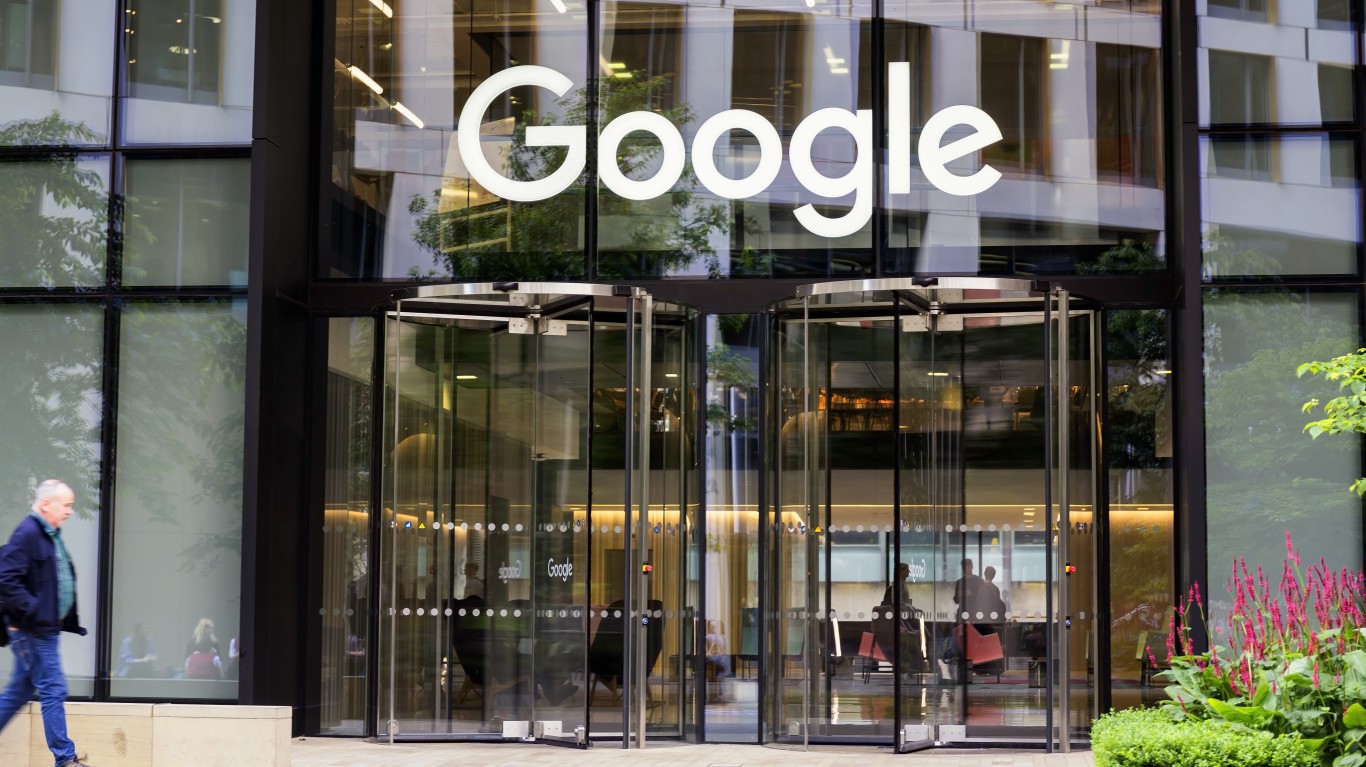
Google (NASDAQ:GOOGL | GOOGL Price Prediction) and Meta (NASDAQ:META) both reported Q2 fiscal 2026 in late July, and the results reveal two very different agentic AI blueprints. Alphabet is wiring Gemini into enterprise workflows through Search, Cloud, and Workspace. Meta is racing to put personal agents into WhatsApp, Instagram, and Ray-Ban glasses. One is building the enterprise orchestration layer. The other is building the high-frequency consumer and hardware orchestration layer.
Cloud Carries Alphabet. Agents and Ads Carry Meta.
Alphabet delivered a blowout quarter. Revenue reached $119.80B, up 24.23% YoY, with EPS of $9.11 versus $3.04 consensus. The standout was Google Cloud at $24.77B, accelerating to 82% growth. Sundar Pichai credited demand for AI infrastructure and noted “nearly 90% of the Fortune 100 using” Gemini Enterprise, with Gemini models processing 22 billion API tokens per minute.
Meta’s quarter was messier. Revenue of $60.80B rose 27.96% YoY, but EPS came in at $6.18 versus $7.22 consensus, snapping a six-quarter beat streak. Operating margin compressed to 31% from 43% after $2.40B in legal charges and $1.18B in severance. The bright spot: more than 1 million businesses now use Meta Business Agents weekly, and Advantage Plus hit a $75 billion annual revenue run rate.
Enterprise Orchestrator Vs. Personal Superintelligence
| Lens | Alphabet | Meta |
| Core Agent Bet | Gemini Enterprise in Cloud + Workspace | Personal agents in WhatsApp, Instagram, glasses |
| Distribution Edge | Search, Android, Chrome, YouTube | 3.60B daily users across Family of Apps |
| 2026 Capex Plan | $175B to $185B | $130B to $145B |
Mark Zuckerberg framed the divide plainly: “We’re the only major company building AI with the primary goal of putting superintelligence directly into people’s hands.” Alphabet is monetizing intelligence through enterprise contracts. Meta is planting agents inside conversations customers already have.
What I’m Watching Into 2027
The 2027 analyst view tells the story. Alphabet’s 2027 EPS consensus has risen to $14.9061 from $14.4584 ninety days ago. Meta’s 2027 EPS estimate slipped to $33.9428, with 39 downward revisions in the last 30 days. Meta shares still ripped 14.05% in the past week ahead of Connect. Alphabet slipped 1.43% over the same stretch.
Why I Lean Toward Alphabet for the 2027 Setup
Personally, I like Alphabet better here. A P/E of 15 for a business compounding Cloud at triple the rate of ads is a rare combination, and the Fortune 100 penetration gives Gemini a defensible enterprise moat. All of that Cloud growth still has to be powered and cooled by somebody, and we pulled seven of the companies quietly doing that work into a free AI infrastructure report. Meta’s consumer agent thesis is bold, and Zuckerberg’s WhatsApp funnel is real, but with Reality Labs losses persisting and estimate cuts stacking up, I want to see Muse Spark adoption prove out before paying 28x earnings. Higher-variance consumer AI upside skews toward Meta; steadier compounding into 2027 skews toward Alphabet.
Contact [email protected] for any questions or corrections.
Alex Sirois is a financial writer with experience spanning both retail and institutional investing. He has written for InvestorPlace and held roles at BNY Mellon and Bernstein, giving him a perspective that bridges Main Street portfolios and Wall Street analysis.
Alex holds an MBA from George Washington University and has built his career across multiple industries, including e-commerce, education, and translation — a breadth of experience that informs how he breaks down complex financial topics for everyday investors. His writing is conversational, actionable, and grounded in long-term, buy-and-hold investing principles.
At 247 Wall St., Alex focuses on delivering analysis that is both accessible and useful, with a clear emphasis on helping readers make more informed decisions with their money.