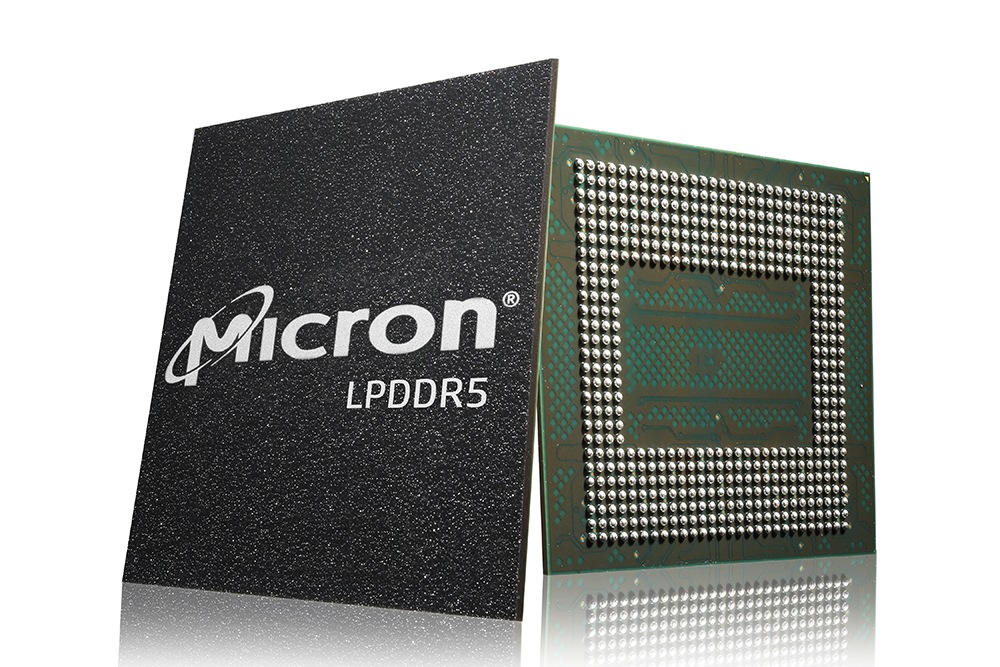
Institutional Investors Just Did What They Always Do So I Keep Buying Micron
Every time Micron beats earnings, institutions sell and the stock drops. That pattern has repeated itself enough times that I started treating the pullbacks as a buying opportunity, and the numbers behind my latest purchase surprised even me.


I added more Micron Technology (NASDAQ:MU | MU Price Prediction) this week, and I expect to keep doing it. I keep seeing the same cycle: Micron beats, institutions sell, and I buy. Micron’s recent earnings history shows 9 beats and 0 misses, and each drop gives me another chance to add.
What Keeps Pulling Me Back
Micron makes the memory and storage that AI systems depend on. Bigger models and longer context windows need more memory for every workload. Customers now lock in supply years ahead. Management said “More than 75% of our output is already committed for 2027” and that customers want supply guaranteed beyond 2030. A business that used to swing with commodity prices now runs on multi-year contracts, and that change is my whole case.
Institutions Sold the Beat Again
Fiscal Q4 revenue reached $54.23 billion against a $50.97 billion consensus. Non-GAAP EPS of $33.42 exceeded the $31.35 estimate. I have seen this pattern before. After the fiscal Q3 beat of 23.79%, the stock fell 19.61% in a week and 32.39% over thirty days. The market had already priced in a beat, and the stock pulled back after a strong earnings report. I treat those drops as my chance to add shares.
Three Numbers Behind My Conviction
Margins. Non-GAAP gross margin hit 87.0%, up from 45.7% a year earlier. Management expects margins “meaningfully above any prior cycle peak margins” even at contract floor prices.
Contracts. Micron has signed 26 Strategic Customer Agreements, all with take-or-pay volumes. Remaining performance obligations total about $150 billion, and customer orders reached $32 billion, mostly cash deposits.
Cash. Fiscal 2026 free cash flow reached $62.31 billion. Net cash stands at $68.3 billion against $5.2 billion of debt. The board raised the quarterly dividend 30% to $0.15, and management said: “Over time, we expect to return 100% of our excess cash to shareholders.”
Why My Money Goes Here Instead of NVIDIA
The obvious AI pick is NVIDIA (NASDAQ:NVDA). Its latest non-GAAP gross margin was 75.0%, below Micron’s 87.0%. Its revenue grew 105.8% year over year, while Micron grew 379.27%. NVIDIA’s stock is valued at about 46 times earnings. At $1,097.39, Micron trades at roughly 15 times its fiscal 2026 non-GAAP EPS of $75.52. NVIDIA’s supply obligations rose to $279 billion, largely for memory procurement. I would rather own the supplier those dollars flow to.
Risk That Could Hurt This Position
Memory has always moved in cycles, and Micron is spending heavily. Capex hit $30.71 billion in fiscal 2026, and first-half fiscal 2027 capex should reach about $25 billion. New fabs in Idaho, Japan and New York start producing between mid-calendar 2027 and calendar 2030. Once that industry capacity comes online, pricing could crack. I take all of it seriously. Still, contracted floors, take-or-pay volumes and largely committed 2027 output give me more visibility than any past memory cycle offered.
Why My Buy Button Stays Active
Fiscal Q1 2027 guidance calls for $61.5 billion in revenue and $38.15 in non-GAAP EPS, and management expects sequential revenue growth every quarter this fiscal year. Management also said, “We do not have line of sight to when supply and demand will return to balance.” Until that changes, I will keep an eye on the stock after each earnings report.
Contact [email protected] for any questions or corrections.
Alex Sirois is a financial writer with experience spanning both retail and institutional investing. He has written for InvestorPlace and held roles at BNY Mellon and Bernstein, giving him a perspective that bridges Main Street portfolios and Wall Street analysis.
Alex holds an MBA from George Washington University and has built his career across multiple industries, including e-commerce, education, and translation — a breadth of experience that informs how he breaks down complex financial topics for everyday investors. His writing is conversational, actionable, and grounded in long-term, buy-and-hold investing principles.
At 247 Wall St., Alex focuses on delivering analysis that is both accessible and useful, with a clear emphasis on helping readers make more informed decisions with their money.