LNG Shipments Through Hormuz Just Hit a 7-Month High. Why the Global Energy Crisis Is Far From Over.
LNG tankers are slipping through the Strait of Hormuz again, but winter is arriving fast, Iran is watching, and the math on global energy supplies still looks brutal.

This post may contain links from our sponsors and affiliates, and Flywheel Publishing may receive compensation for actions taken through them.
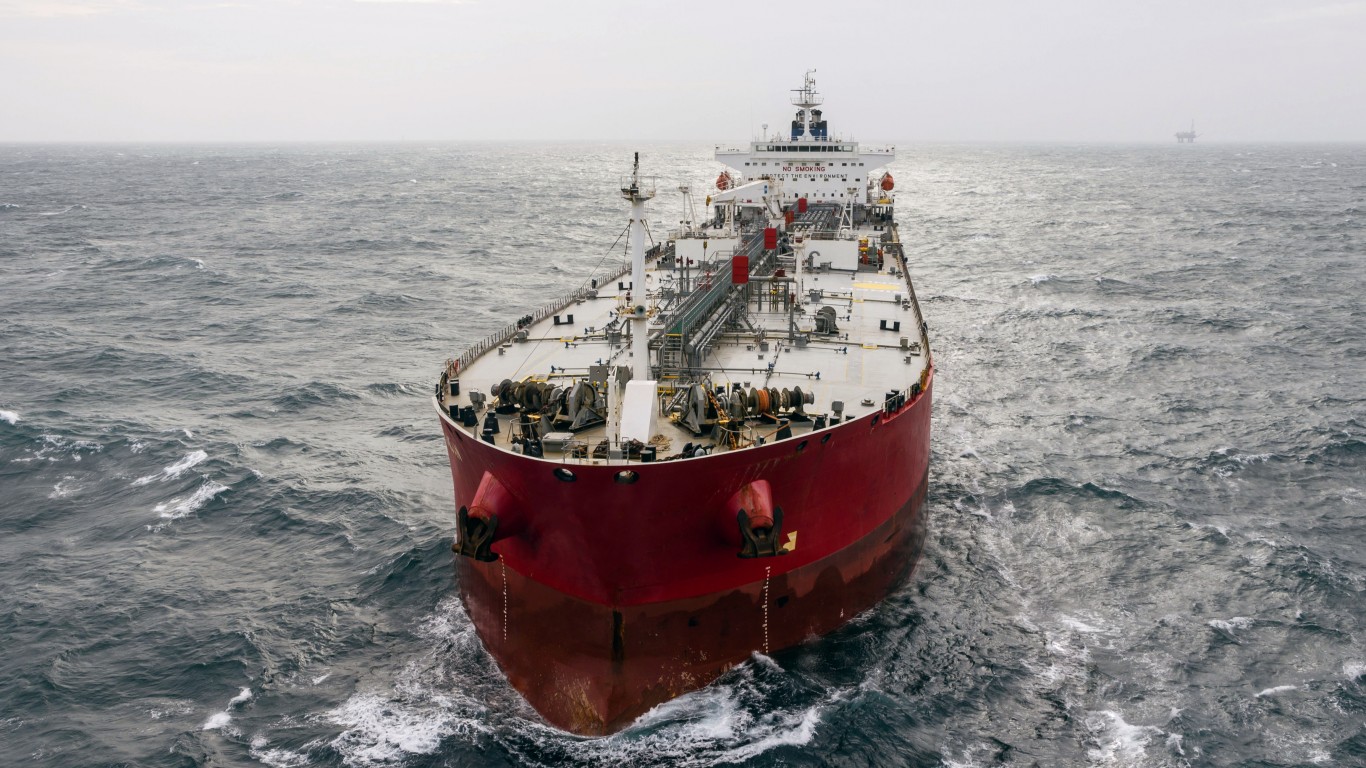
Ship trackers counted 19 liquefied natural gas (LNG) cargoes leaving the Strait of Hormuz in September, according to S&P Global Energy. Kpler counted 21. By S&P’s count, 13 came from Qatar and 6 from the United Arab Emirates. That makes September the busiest month since the US-Israeli war on Iran began in February, Reuters reports. Even so, most of the world’s biggest LNG chokepoint is still shut.
S&P Global Energy analyst Eric Yep estimates that if September’s faster pace holds through October, transits would recover to only about 25% of prewar levels. Roughly 85 ships exited in February, then traffic dropped to near zero in March. Since then, monthly exits have ranged between roughly 2 and 15, leaving volumes about 80% lower than prewar.
Winter Puts a Deadline on Hormuz
The timing matters because the Northern Hemisphere heating season is weeks away. Qatar extended its LNG force majeure as the disruptions continued. Washington and Tehran have moved further from a deal, and Iran has publicly promoted its Hormuz attacks even as flows rise.
Whether transits last through winter depends on two factors: whether Iran escalates in response to higher exports, and whether US naval-escorted convoys continue despite high operating costs. Many tankers switch off their Automatic Identification System transponders to cross undetected, so even better counts are uncertain.
Cheap Gas at Home, Expensive Fuel at the Pump
For American households, domestic natural gas prices are calm. The Henry Hub benchmark closed at $3.18 per million BTU on September 29. The Energy Information Administration estimated US storage would finish the injection season 7% above the five-year average.
Oil trades globally, telling a different story. Brent settled at $113.96 on September 29 after reaching $130.80 on September 15. West Texas Intermediate closed at $96.16, a $17.80 gap reflecting the war premium on overseas crude. Regular gasoline averaged $4.46 a gallon in the week of September 28, up $0.38 in a month and well above $2.78 in January. Global oil reserves have fallen by 400 million barrels this year.
Buyers Are Signing Long-Term US Contracts
Buyers are acting as if Hormuz will stay unreliable. ConocoPhillips (NYSE:COP | COP Price Prediction) signed a 20-year LNG deal with Venture Global (NYSE:VG) this week. The EIA forecasts US LNG exports averaging 17.0 billion cubic feet per day this year, helped by Golden Pass LNG, which shipped its first cargo on April 22.
The more gas America exports, the more closely US prices follow world prices. Henry Hub hit $25.01 on January 26, a reminder of how fast a winter squeeze can arrive. The VIX volatility index stood at 16.39 on October 1, compared with 31.05 in March.
What to Watch in October
The key number is October’s cargo count from S&P and Kpler. If it matches or beats September, Yep’s path to 25% recovery stays intact. If it falls, or if Iran hits an escorted convoy, Europe and Asia will head into winter competing for US cargoes, and gasoline prices are likely to stay high.
Contact [email protected] for any questions or corrections.
After two decades of patrolling the dark corners of suburbia as a police officer, Rich Duprey hung up his badge and gun to begin writing full time about stocks and investing. For the past 20 years, he’s been cruising the markets looking for companies to lock up as long-term holdings in a portfolio while writing extensively on the broad sectors of consumer goods, technology, and industrials. Because his experience isn’t from the typical financial analyst track, Rich is able to break down complex topics into understandable and useful action points for the average investor. His writings have appeared on The Motley Fool, InvestorPlace, Yahoo! Finance, Money Morning, and, of course, 24/7 Wall St. He has been featured in both U.S. and international publications, including MarketWatch, Financial Times, Forbes, Fast Company, and USA Today.