Caterpillar Sinks 5% as Deere Edges Higher: Is the Data Center Power Premium Unwinding?
Caterpillar built a hefty valuation on its data center power business, but a single afternoon of trading is stripping that premium away while rivals like Deere move in the opposite direction. The split between these stocks hints at something bigger…

This post may contain links from our sponsors and affiliates, and Flywheel Publishing may receive compensation for actions taken through them.
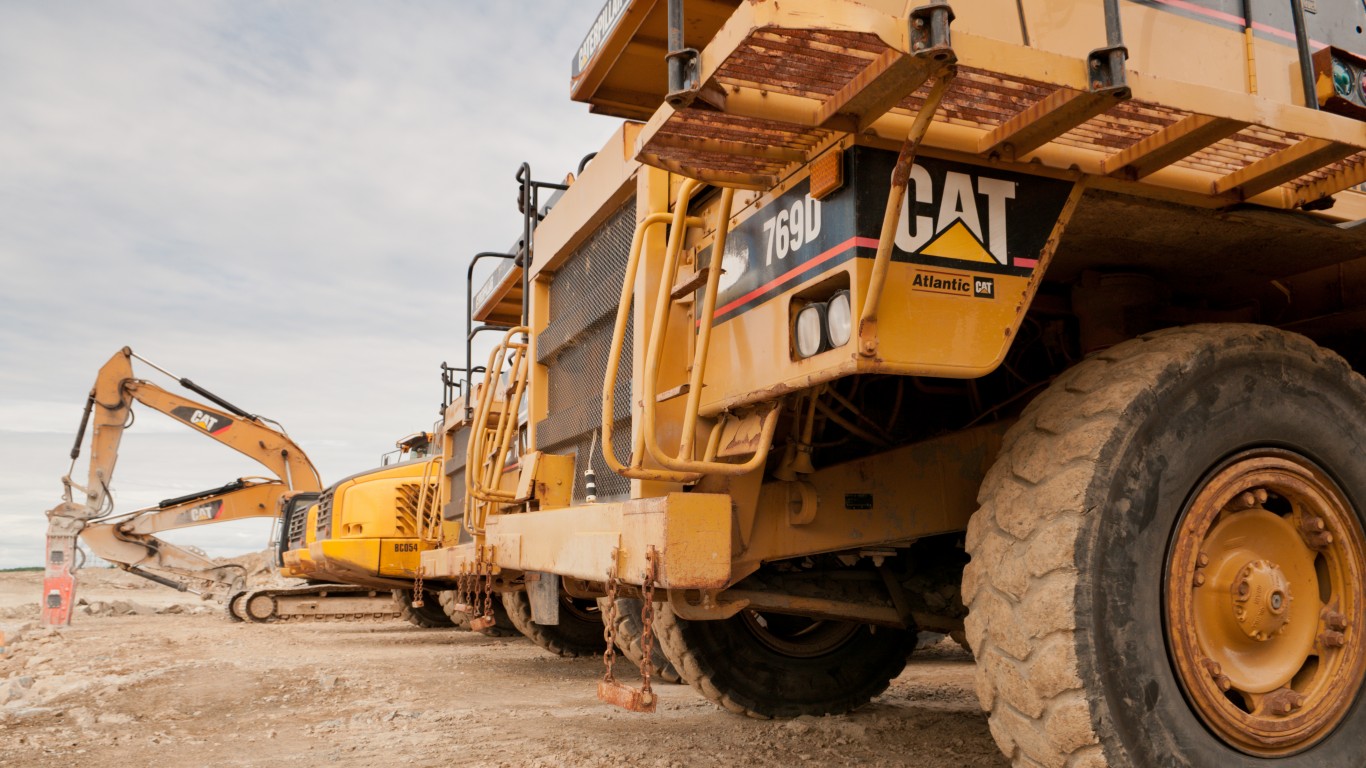
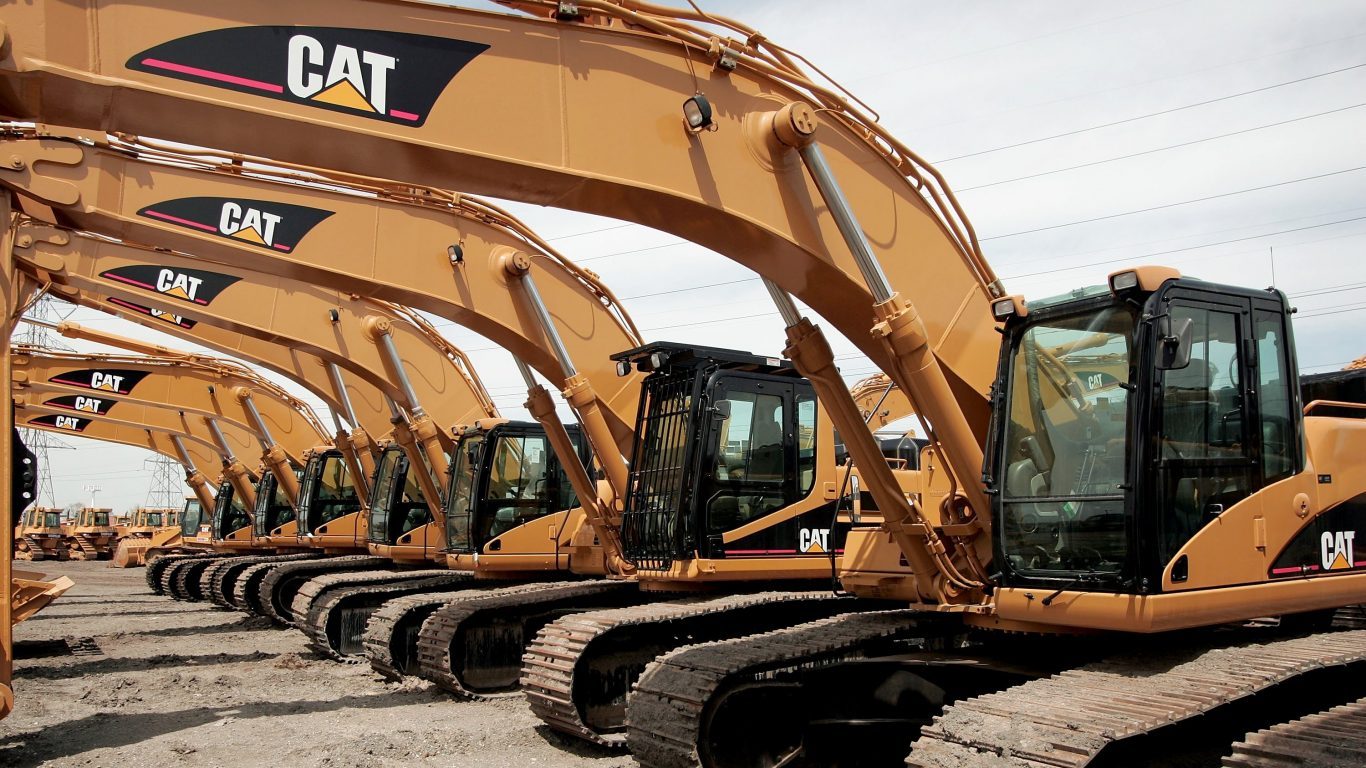
The premium the market paid for Caterpillar‘s (NYSE:CAT | CAT Price Prediction) data center power business is coming under pressure fast, while the rest of the heavy machinery group holds up better. Caterpillar stock is at $760.64, down 5% in afternoon trading, extending its 7% decline over the past month.
Meanwhile, Deere (NYSE:DE) stock is at $642.72, up 2%, moving opposite its larger rival. Checking in on another peer, PACCAR (NASDAQ:PCAR) stock is at $106.76, down 1%, a softer slide than the one in Caterpillar stock.
The Industrial Select Sector SPDR ETF (NYSEARCA:XLI) is down 1%, a modest dip for a fund that held Caterpillar as its largest disclosed position at 8.5% of net assets as of June 30. The SPDR S&P 500 ETF Trust (NYSEARCA:SPY), a broad-market benchmark, is down 0.1%. That steadier group points to a company-specific adjustment.

Data Center Power Premium Gets Repriced
Caterpillar sells construction and mining equipment alongside engines and generator sets, and that last business pulled it into the data center power buildout. Its Power and Energy segment is a meaningful supplier. It provides on-site electricity for data centers (we rounded up seven non-chipmaker beneficiaries of that same expansion in a free report), with sales rising 17% to $8.24 billion in Q2 2026. That growth story helped carry Caterpillar stock to a trailing P/E ratio of 34x.
Discussing artificial intelligence (AI) demand on the August 4 earnings call, Joe Creed, Caterpillar’s chairman and CEO at the time, stated that “no one is slowing down at the moment.” Orders back him up, with total backlog climbing to $72 billion at the end of the second quarter and some Power and Energy customers booking as far out as 2030. Sentiment can move faster than shipments, though.
Deere and PACCAR Tell a Different Story
Deere sells farm equipment while PACCAR builds commercial trucks, and neither sits in the AI infrastructure trade, though supporters of Deere see the ag cycle bottoming with construction demand strong while bears note higher rates raise financing costs for farmers. PACCAR bulls cite rising truck build rates on strong orders, while bears see freight demand as cyclical.
Both Caterpillar stock and Deere stock fell sharply last week as long-dated Treasury yields rose. Heavy equipment is bought on credit, so higher borrowing costs raise the effective price of a machine whatever the order book looks like, and that mechanism hits Deere at least as hard as Caterpillar, which makes the split between the two stocks a useful tell.
Optimists on Caterpillar argue that data center power orders are contracted years ahead and don’t adjust with sentiment. Management said in August that turbine lead times stretch into 2029, which supports that argument. Skeptics argue that premium can come out of Caterpillar shares far faster than the orders arrive.
Near-term expenses add pressure, with Caterpillar expecting about $600 million in Q3 2026 tariff costs and a full-year adjusted operating margin near the bottom of its target range once refunds of prior duties are excluded. Measured against its 52-week high of $1,071.47, Caterpillar stock has already given back a large part of that premium.
What to Watch Next
Caterpillar reports third-quarter results in early November, on a date the company hasn’t confirmed. Investors can watch whether Power and Energy sales keep climbing fast enough to defend the valuation on Caterpillar stock.
Any update on the restart of the company’s 10-megawatt gas engine platform, with first shipments planned for Q4 2026, could also shape how much premium Caterpillar shares retain. Until then, investors may want to size their positions with the data center power exposure in mind.
Contact [email protected] for any questions or corrections.
David Moadel is financial writer specializing in stocks, ETFs, options, precious metals, and Bitcoin. David has written well over 1,000 articles for leading online publications, helping investors understand markets, income strategies, and risk.His work has appeared in The Motley Fool, InvestorPlace, U.S. News & World Report, TipRanks, ValueWalk, Benzinga, Market Realist, TalkMarkets, Finmasters, 24/7 Wall St., and others.With a master’s degree in education, David has taught at the elementary, high school, and college levels. That teaching background shapes his writing style: clear, educational, and practical. David has also built a loyal social-media audience by providing trustworthy financial content on YouTube, X/Twitter, and StockTwits.