KFC Is Dumping Pepsi for Coca-Cola After 40 Years
After 40 years of pouring Pepsi, KFC chose Coke, and the move says something bigger about where each beverage giant stands heading into earnings season.

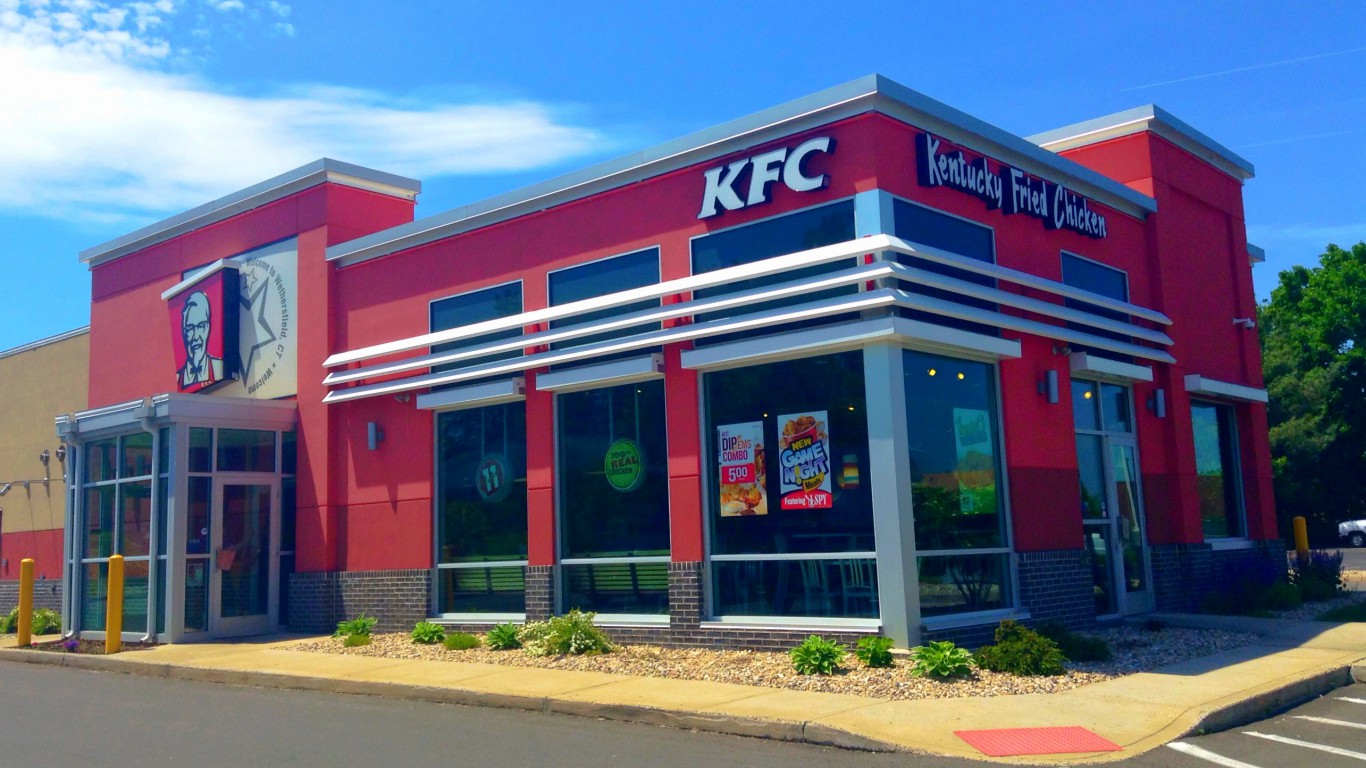
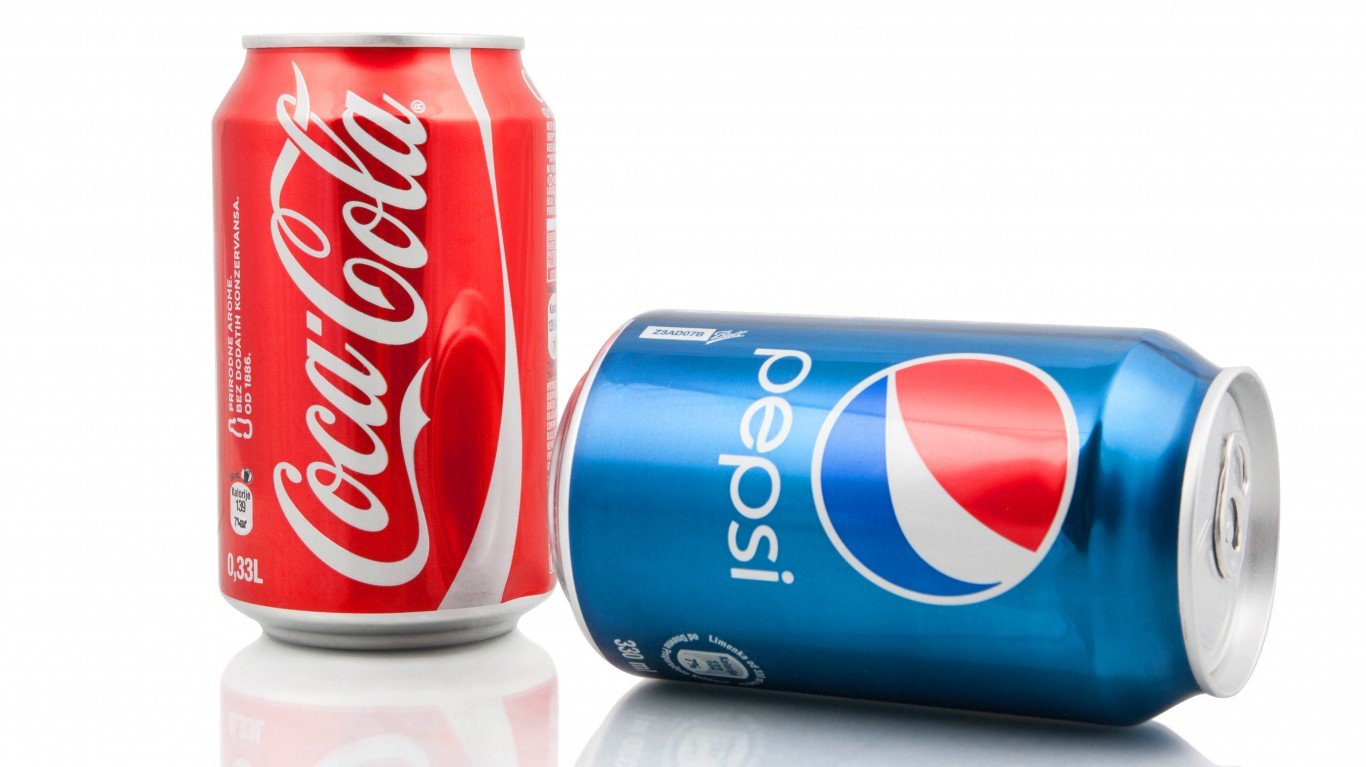
KFC said Thursday that Coca-Cola (NYSE:KO | KO Price Prediction) will replace Pepsi at about 3,700 U.S. restaurants. The switch starts in January 2027, and Coke drinks should be at every U.S. location by spring.
The deal ends a relationship of about 40 years, dating back to PepsiCo’s (NASDAQ:PEP) 1986 purchase of the chain. PepsiCo spun KFC off in 1997 but kept providing its drinks through the chain’s parent company.
The loss falls on the weaker of the two stocks. Coca-Cola closed at $92.00 on October 15, close to its 52-week high of $94.10. PepsiCo closed at $128.38, not far above its 52-week low of $123.47.
Coke shares are up 34.16% this year, and PepsiCo is down 7.83%. The KFC news mostly supports a gap the market had already opened.
Why Losing KFC Hurts PepsiCo’s Image More Than Its Revenue
Neither company disclosed financial terms, so nobody outside the deal knows how much revenue is at stake. PepsiCo brought in $98.24 billion in trailing revenue from drinks and snacks, so one chain’s U.S. fountain business is likely a small piece of that.
The significance is harder to brush off. A partner PepsiCo once owned has picked Coke, and Coke can now point to that choice when it pitches other restaurant chains.
PepsiCo did hold on to the larger accounts. It recently renewed agreements covering Taco Bell and KFC’s international restaurants, which ties it to markets where EMEA and Asia Pacific each posted 9% organic revenue growth last quarter.
Coca-Cola Keeps Winning Restaurant Accounts
Fountain contracts matter because they put a brand in front of customers at every meal, and that exposure can carry over to what people buy in stores. Before KFC, Coke won back Marriott International (NASDAQ:MAR) after 34 years.
On the July earnings call, Chief Executive Henrique Braun said, “We earned it back because we are consumer and customer centric like never before.” Dagmar Boggs, Coca-Cola’s president of foodservice and on-premise, talked about “pairing KFC’s iconic food and flavors with the breadth of Coca-Cola’s beverage portfolio and innovation capabilities.”
Product results support that pitch. Coca-Cola Zero Sugar volume rose 16% in the second quarter, and Coke raised its 2026 comparable EPS growth outlook to 9% to 10%.
PepsiCo’s Weakest Business Is at Home
Core operating profit at PepsiCo Foods North America fell 12%, and North American drink volumes declined. Management cut its 2026 core EPS growth outlook to 2.5% to 3.5%.
Chief Executive Ramon Laguarta said PepsiCo is “acting with urgency to sustainably improve our performance in North America.” Snacks normally cushion a drink setback, but this year the U.S. snack business is struggling too.
| Lens | Coca-Cola | PepsiCo |
|---|---|---|
| Market value | $395.83 billion | $174.95 billion |
| Forward P/E | 25 | 15 |
| 2026 outlook | Raised | Lowered |
Why Coca-Cola Holds the Edge Before Its Next Earnings Report
Coca-Cola is the stronger business right now. Its volume, pricing, and customer wins are all improving, and PepsiCo is still working to fix North America.
That strength costs more. Investors value Coke at more than double PepsiCo even though PepsiCo has the larger revenue base, so the high forward multiple leaves less room for disappointment.
Coke’s October 27 earnings report is the next test. I want to hear about more foodservice wins and see the raised outlook hold up in a fourth quarter with six fewer days than last year.

PepsiCo looks like a value alternative only after its U.S. drink share stops falling and other chains stay with it. Until that happens, Coke is the stronger stock.


Contact [email protected] for any questions or corrections.
Omor Ibne Ehsan is a writer at 24/7 Wall St. He is a self-taught investor with a focus on growth, cyclical, and dividend equities that have strong fundamentals, value, and long-term potential. He also has an interest in high-risk, high-reward investments such as penny stocks.