In 1919, A Small-Town Florida Banker Told Farmers And Widows To Buy Coca-Cola Stock At $40 A Share. Decades Later, Quincy, Florida Was Reportedly One Of The Richest Towns In America
A small-town Florida banker spent decades pressing farmers and widows to sink their savings into a single soft drink stock, and what happened to Quincy, Florida over the next century is a story about extraordinary wealth that somehow left most…

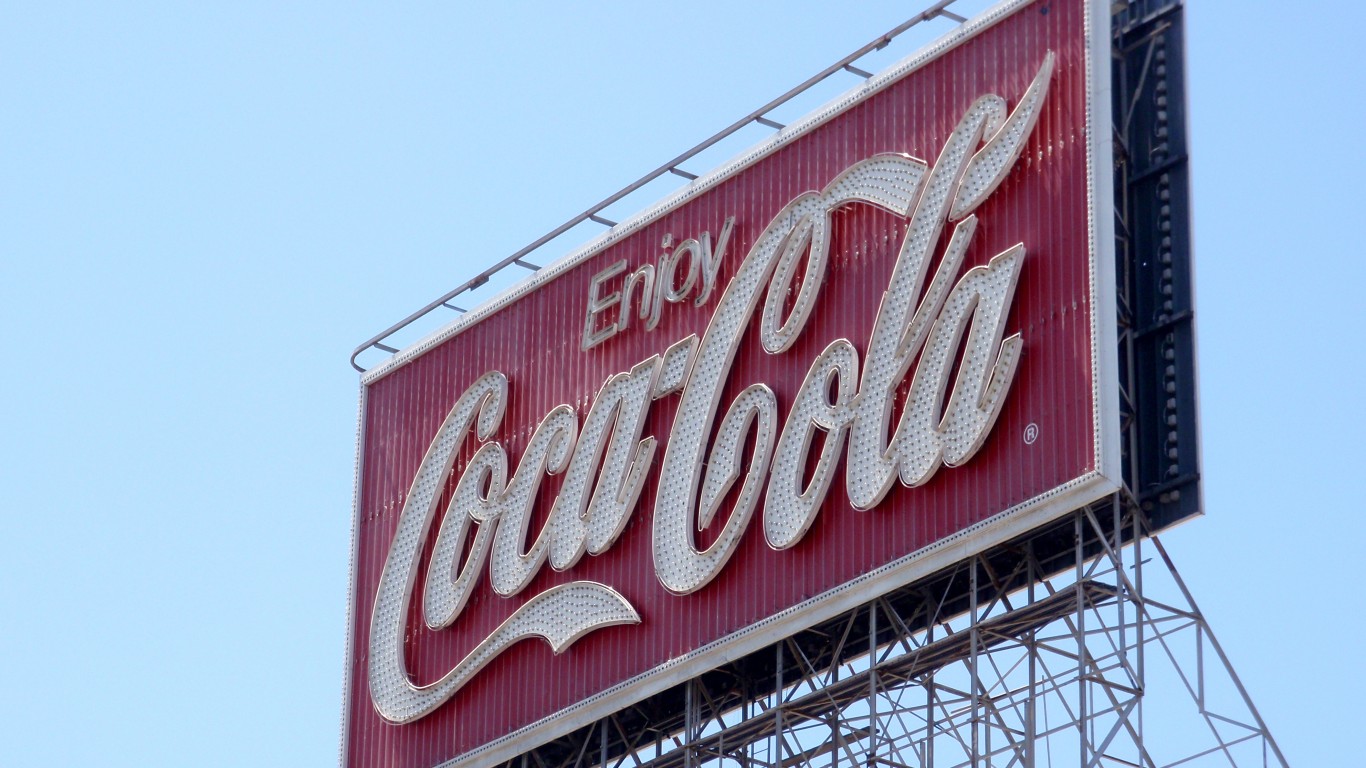
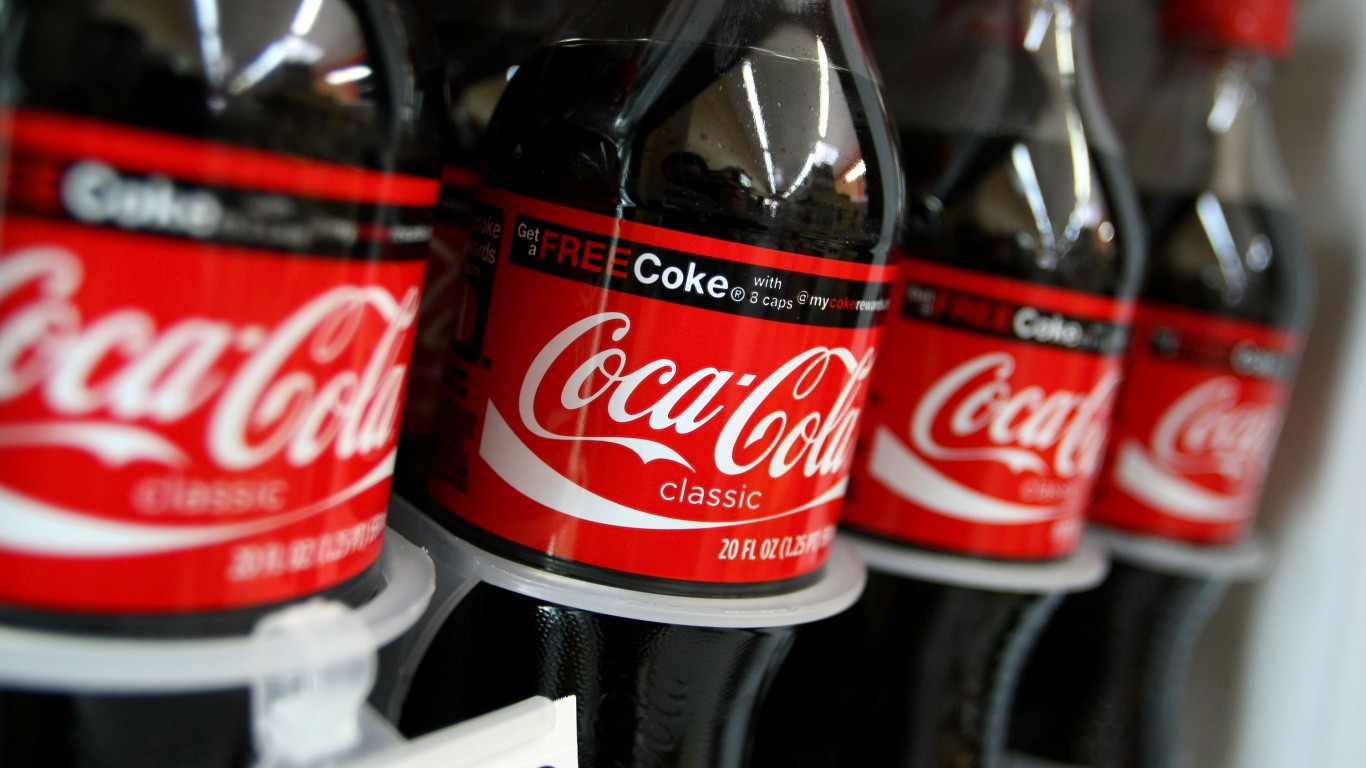
In 1919, M.W. “Mr. Pat” Munroe, president of Quincy State Bank in Quincy, Florida, bought shares in a newly public soft drink company. Then he told his neighbors to buy them too. Earlier that year, according to Fulton Neighbor, Coca-Cola (NYSE:KO | KO Price Prediction) had been sold for $25 million to a group led by Ernest Woodruff.
The Trust Company of Georgia offered 500,000 new shares to the public at $40 apiece. Tallahassee Magazine reports that three banks issued the shares, one of them W.C. Bradley’s.
Today Coca-Cola is worth about $402.4 billion. It raised its dividend for a 63rd consecutive year in 2025 (the kind of run we screened for in our free Dividend Kings guide), and the stock is closing in on all-time highs. Quincy shows what a century of holding can look like, and how few people it reached.

A Banker’s Pitch to Farmers and Widows
Munroe was born in 1860 and had 18 children with two wives, per Tallahassee Magazine. He and W.C. Bradley urged local widows and farmers to buy the stock, and several did. The Motley Fool gives an example of how he lent money: a farmer asks for $2,000, Munroe lends $4,000, and half of it has to go into Coca-Cola. The Motley Fool offers this as an illustration. It captures his approach to lending money to local farmers, though it has not been recorded as a real Quincy loan.
Per the Motley Fool, residents apparently lived off Coca-Cola dividends during the Depression. By the late 1930s Quincy was apparently the wealthiest town in America per capita, according to what the Motley Fool calls “some reports.”
Where Legend Runs Ahead of the Record
Accounts of how many Coca-Cola millionaires Quincy had vary widely. They run from about 24 to over 113, and 67 shows up in some versions. Tallahassee Magazine reported that a 1996 Bloomberg article said Quincy’s Coke millionaires owned 7.5 million shares worth $375 million. Some claims said Quincy residents held 68% of the company. Coca-Cola’s archivist, Phil Mooney, called claims like that exaggerations.
Heirs often kept the stock. “They put it in their wills,” a former bank president said. Over time some descendants sold or moved away. Munroe died in 1940 and apparently left each child $1 million, per Tallahassee Magazine.
What One 1919 Share Became
Coca-Cola’s investor relations figures, as reported by Fulton Neighbor, valued one 1919 share at $9.8 million with dividends reinvested through 2012. Tallahassee Magazine, writing in 2012, put it at $6.4 million, also with dividends reinvested. The two sources disagree, and both figures assume the owner never sold.
On the other side of the 1919 deal, an institution showed the same patience, and the Trust Company of Georgia received some of the first shares for underwriting the offering. Its successor, SunTrust, held those shares until 2012, per the Georgia Historical Society. In September 2012, SunTrust sold 59 million of its 60 million Coca-Cola shares. It gave the remaining 1 million, valued at about $37 million, to the SunTrust Foundation and recorded a pretax gain of $1.9 billion, per American Banker. That stake belonged to an Atlanta bank. Its only link to Quincy is the 1919 offering they shared.
Who the Wealth Missed
Quincy had 7,970 residents in the 2020 census. Per Wikipedia citing census data, 43.6% live below the poverty line, median household income is $31,756, and about 61% of residents are Black. Gadsden County is Florida’s only majority Black county and one of its poorest, and Tallahassee Magazine describes lasting divisions between the wealthy and the rest of the county.
Survivorship Bias Hides the Losers
Many companies that listed in that era no longer exist. Quincy’s result needed one company to last and grow for a century, and it needed families to hold a single stock across generations. Munroe’s conviction paid off for the households that followed him and held on. Many other 1919 shareholders owned companies that later disappeared, and nobody tells stories about them. One share bought in 1919 makes a good story, and it makes a poor model.
Contact [email protected] for any questions or corrections.
AJ spent 10 years writing about financial markets at The Motley Fool. His coverage centers on technology stocks and the broader macroeconomic trends, from interest rates to geopolitics, that shape where markets are headed next. AJ is drawn to the stories where big-picture economics and individual companies collide.