After Warren Buffett’s Successor’s Q1 Purge, Just 4 Stocks Make Up Over 50% of Berkshire Hathaway
Warren Buffett stepped down as CEO of Berkshire Hathaway (NYSE: BRK-B) on December 31, 2025, after six decades leading the conglomerate he transformed from a struggling textile mill into a $1 trillion empire. The "Oracle of Omaha" left his successor,…

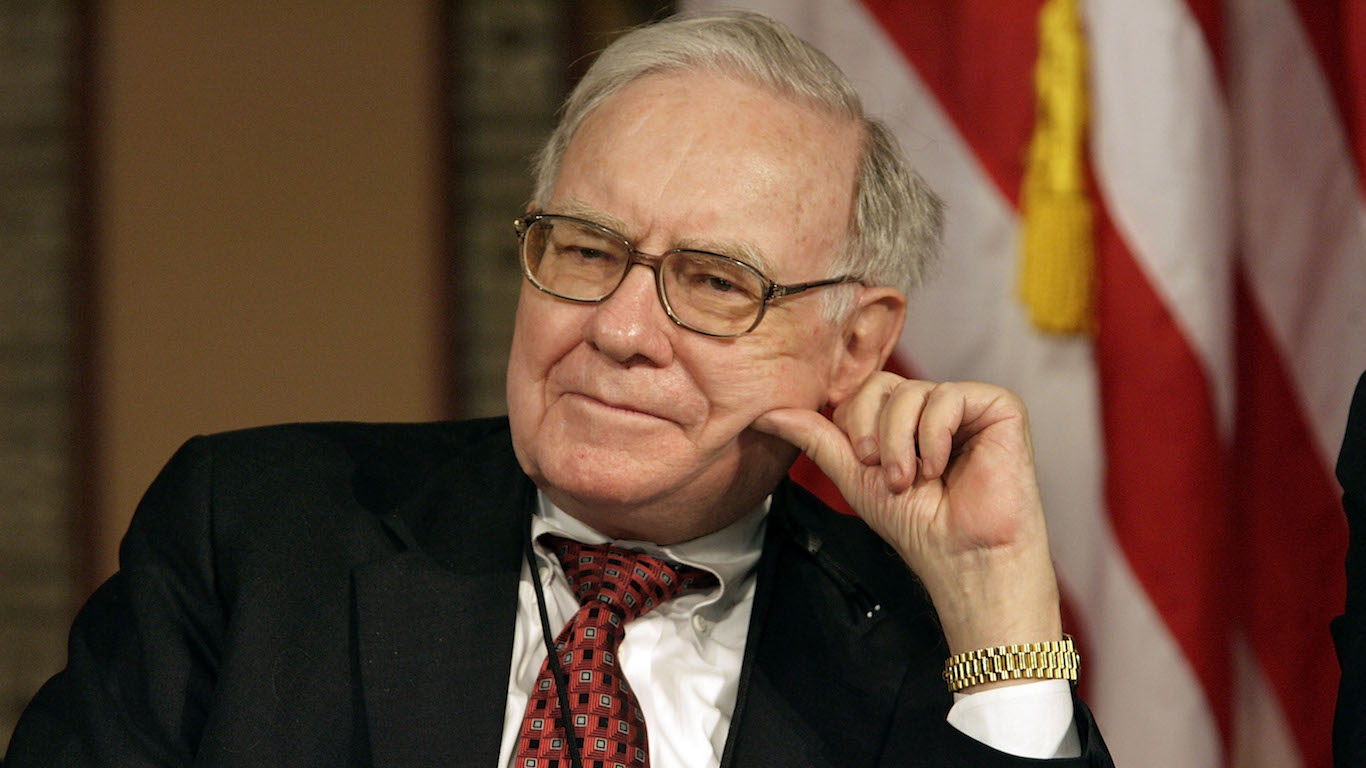
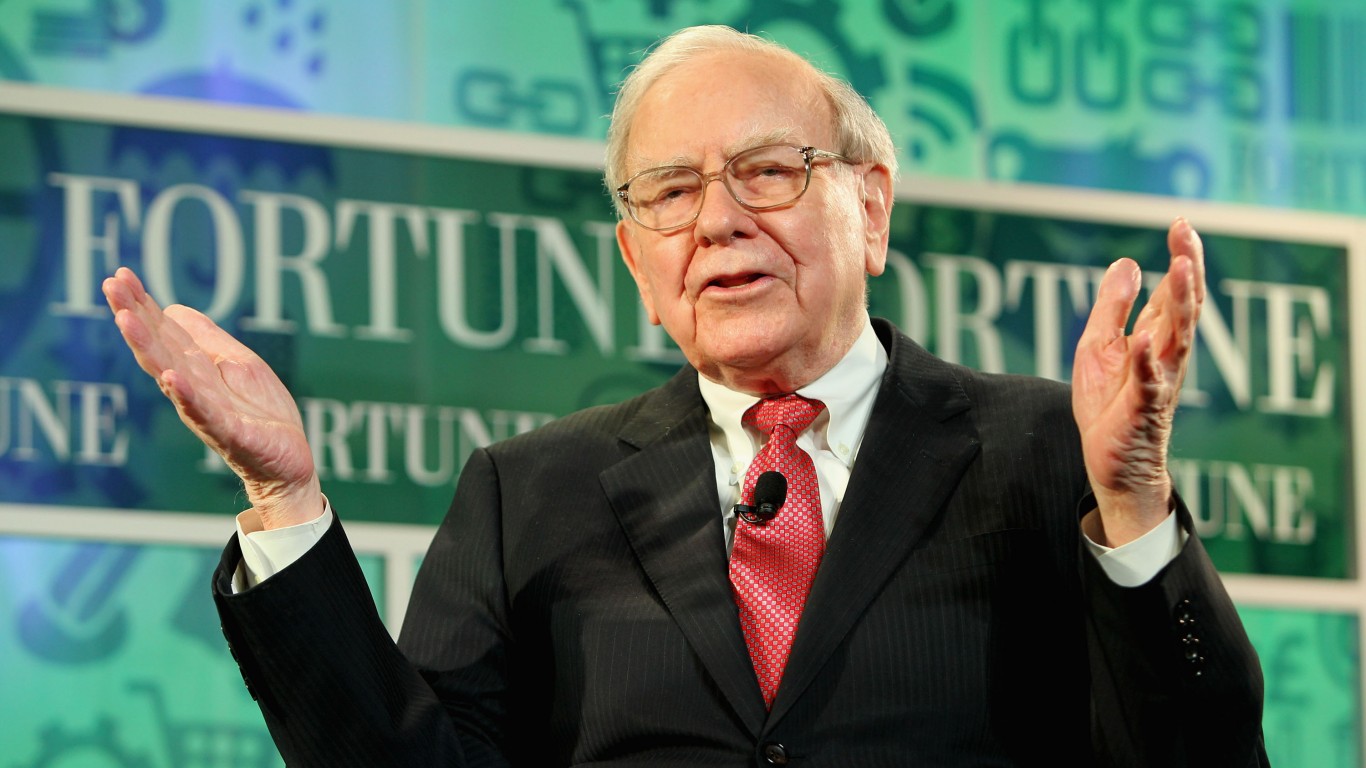
Warren Buffett stepped down as CEO of Berkshire Hathaway (NYSE: BRK-B | BRK-B Price Prediction) on December 31, 2025, after six decades leading the conglomerate he transformed from a struggling textile mill into a $1 trillion empire. The “Oracle of Omaha” left his successor, Greg Abel, with a very concentrated portfolio: 70% of Berkshire’s $381 billion portfolio is invested in just seven stocks. Abel, who served as vice chair overseeing non-insurance operations, officially took over as CEO on January 1, 2026. At 95 years old, Buffett is not fully retiring. He will remain chair of the board and plans to continue coming to the Omaha headquarters as much as before, though he has stated he will be “going quiet” and leaving all decision-making to Abel.
The new CEO got to work quickly in the first quarter: 16 companies were eliminated, leaving just 26 stocks in the Berkshire Hathaway portfolio. Abel also made headlines by announcing the company’s first major acquisition of a publicly traded company in years, buying homebuilder Taylor Morrison (NYSE: TMHC) in an all-cash deal priced at $72.50 per share. That price implied an equity value of $6.8 billion and an enterprise value of $8.5 billion, including the homebuilder’s net debt, and represented a 24% premium to the target’s prior closing stock price. The deal closed on July 24, 2026, with Taylor Morrison unifying with Berkshire’s site-built homebuilding operations under existing CEO Sheryl Palmer and her management team. Before Taylor Morrison, Berkshire’s last major buyout of an entire publicly traded company was Alleghany, acquired for $11.6 billion in 2022.
After the portfolio purge and this first acquisition since the purchase of OxyChem from Occidental Petroleum, just four stocks now make up 53.8% of the Berkshire Hathaway portfolio. Of those four, only one saw any selling in the first quarter, and even then the reduction was quite minor, trimming the position by less than 1%.
Why do we cover Berkshire Hathaway stocks?
Few investors have built the track record or earned the reputation that Buffett accumulated over the past 60 years. Though he has stepped away from the CEO chair, his investment philosophy is likely to shape Berkshire’s direction long after he is gone. Buying great companies with globally recognized products and services, and collecting reliable dividends along the way, is a timeless approach that no market cycle has yet managed to discredit.
Here are the four companies that now make up 53.8% of Berkshire Hathaway. All are rated Buy at top Wall Street firms we cover.
American Express
American Express (NYSE: AXP) is an American bank holding company and multinational financial services corporation specializing in payment cards. The stock pays a dividend yield of 1.13%. As a globally integrated payments company, American Express operates card-issuing, merchant-acquiring, and card network businesses that span virtually every corner of the world economy.
The company offers products and services to customers worldwide, including consumers, small businesses, mid-sized companies, and large corporations. Its segments include:
- U.S. Consumer Services, which offers travel and lifestyle services, as well as banking and non-card financing products.
- Commercial Services offers payment, expense management, banking, and non-card financing products.
- International Card Services provides services to international customers, including travel and lifestyle services, and manages certain international joint ventures and its loyalty coalition business.
- Global Merchant and Network Services operates a payments network that processes and settles card transactions, acquires merchants, and provides multichannel marketing programs, capabilities, services, and data analytics.
Berkshire Hathaway owns 151,610,700 shares of American Express, representing 22% of the company’s float and 14.2% of the overall portfolio.
Goldman Sachs has a Buy rating with a $400 target price.
Apple
Apple (NASDAQ: AAPL) designs, develops, and sells consumer electronics, computer software, and online services, offering a small dividend of 0.35%. Even after a Q4 sale of 10 million shares and a strong run-up in the stock price over the past two years, Berkshire still holds a 227,917,808-share position that accounts for 21.8% of its portfolio and roughly 1.6% of Apple’s total outstanding stock.
The company offers:
- The iPhone, a line of smartphones
- Mac, a line of personal computers
- iPad, a line of multi-purpose tablets
- Wearables, home, and accessories comprising AirPods, Apple TV, Apple Watch, Beats products, and HomePod
Apple also offers AppleCare support and cloud services, and operates various platforms, including the App Store, which enables customers to discover and download applications and digital content, such as books, music, videos, games, and podcasts.
In addition, the company offers various services, such as:
- Apple Arcade, a game subscription service
- Apple Fitness+, a personalized fitness service
- Apple Music, which gives users a curated listening experience with on-demand radio stations
- Apple News+, a subscription news and magazine service
- Apple TV+, which offers exclusive original content
- Apple Card, a co-branded credit card
- Apple Pay, a cashless payment service
Wedbush raised its Apple price target to $400 in May 2026, the highest figure set by any major Wall Street firm at the time, citing the company’s AI monetization potential. The firm maintains an Outperform rating.
Bank of America
Buffett trimmed his Bank of America position sharply over the past two years, yet this financial giant remains a core Berkshire holding, still contributing a solid 2% dividend yield. Bank of America (NYSE: BAC) is a bank holding company that reported strong Q4 results, and Berkshire owns 513,624,165 shares, representing 8.3% of the portfolio and 7.2% of the float. The Q1 2026 13F filing showed the position was trimmed by just 0.71%, a marginal cut compared to the wholesale exits made elsewhere in the portfolio.
Its segments include:
- Consumer Banking offers a range of credit, banking, and investment products and services to consumers and small businesses.
- Global Wealth & Investment Management (GWIM) comprises two businesses: Merrill Wealth Management, which offers tailored solutions to meet clients’ needs through a comprehensive suite of investment management, brokerage, banking, and retirement products. Bank of America Private Bank provides comprehensive wealth management solutions.
- Global Banking offers a range of lending-related products and services, including integrated working capital management and treasury solutions, as well as underwriting and advisory services.
- Global Markets offers sales and trading services, as well as research services, to institutional clients across fixed income, credit, currency, commodity, and equity markets.
UBS has a Buy rating with a $63 target price.
Coca-Cola
Coca-Cola (NYSE: KO) is an American multinational corporation founded in 1892 and one of Buffett’s longest-held positions. Berkshire owns 400 million shares, representing 9.3% of the float and 9.7% of the portfolio. The stock pays a dividend yield of approximately 2.40%, and Citigroup raised its price target to $91 in May 2026 while maintaining a Buy rating.
Coca-Cola is the world’s largest beverage company, offering consumers more than 500 sparkling and still brands. Led by the Coca-Cola flagship, one of the world’s most valuable and recognizable brands, the portfolio features 20 billion-dollar brands, including:
- Diet Coke
- Coca-Cola Light
- Coca-Cola Zero Sugar
- Caffeine-free Diet Coke
- Cherry Coke
- Fanta Orange
- Fanta Zero Orange
- Fanta Zero Sugar
- Fanta Apple
- Sprite
- Sprite Zero Sugar
- Simply Orange
- Simply Apple
- Simply Grapefruit
- Fresca
- Schweppes
- Dasani
- Fuze Tea
- Glacéau Smartwater
- Glacéau Vitaminwater
- Gold Peak
- Ice Dew
- Powerade
- Topo Chico
- Minute Maid
Globally, it is the top provider of sparkling beverages, ready-to-drink coffees, juices, and juice drinks. Through the world’s most extensive beverage distribution system, consumers in more than 200 countries enjoy the company’s beverages at a rate of over 1.9 billion servings per day. The company also owns 19.5% of Monster Beverage (NASDAQ: MNST), which continues to deliver strong financial results.
Editor’s note: This article was updated to reflect the July 24, 2026, completion of Berkshire Hathaway’s acquisition of Taylor Morrison, and to refresh the American Express dividend yield to 1.13% and the Coca-Cola dividend yield to approximately 2.40%, reflecting current market data. The Citigroup price target on Coca-Cola was confirmed at $91 following the firm’s May 2026 upgrade.
Contact [email protected] for any questions or corrections.
Lee Jackson has covered Wall Street analysts' equity and debt research and equity strategy daily for 24/7 Wall St. since 2012. His broad, diverse career, including a stint as creative services director at an NBC affiliate in Austin, Texas, gives him unique insight into the financial industry.
Lee Jackson's journey in the financial industry spans more than 30 years, including nearly two decades as an institutional equity salesperson at Bear Stearns, Lehman Brothers, and Morgan Stanley. His career spanned pivotal sell-side Wall Street events, from the dot-com rise and bubble to the Long-Term Capital Management debacle, 9/11, and the Great Recession of 2008. This reflects his resilience and adaptability amid market volatility.
Lee Jackson’s practical financial industry experience, gained through a career at some of the biggest banks and brokerage firms, is complemented by a lifetime of writing across various platforms. This unique combination allows him to shed light on the intricacies of Wall Street in a way only someone with deep insider experience and knowledge can. Moreover, his extensive network across Wall Street continues to provide direct access for him and 24/7 Wall St., a privilege few firms enjoy.
Since 2012, Jackson’s work for 24/7 Wall St. has been featured in Barron’s, Yahoo Finance, MarketWatch, Business Insider, TradingView, Real Money, The Street, Seeking Alpha, Benzinga, and other media outlets. He attended the prestigious Cranbrook Schools in Bloomfield Hills, Michigan, and has a degree in broadcasting from the Specs Howard School of Media Arts.