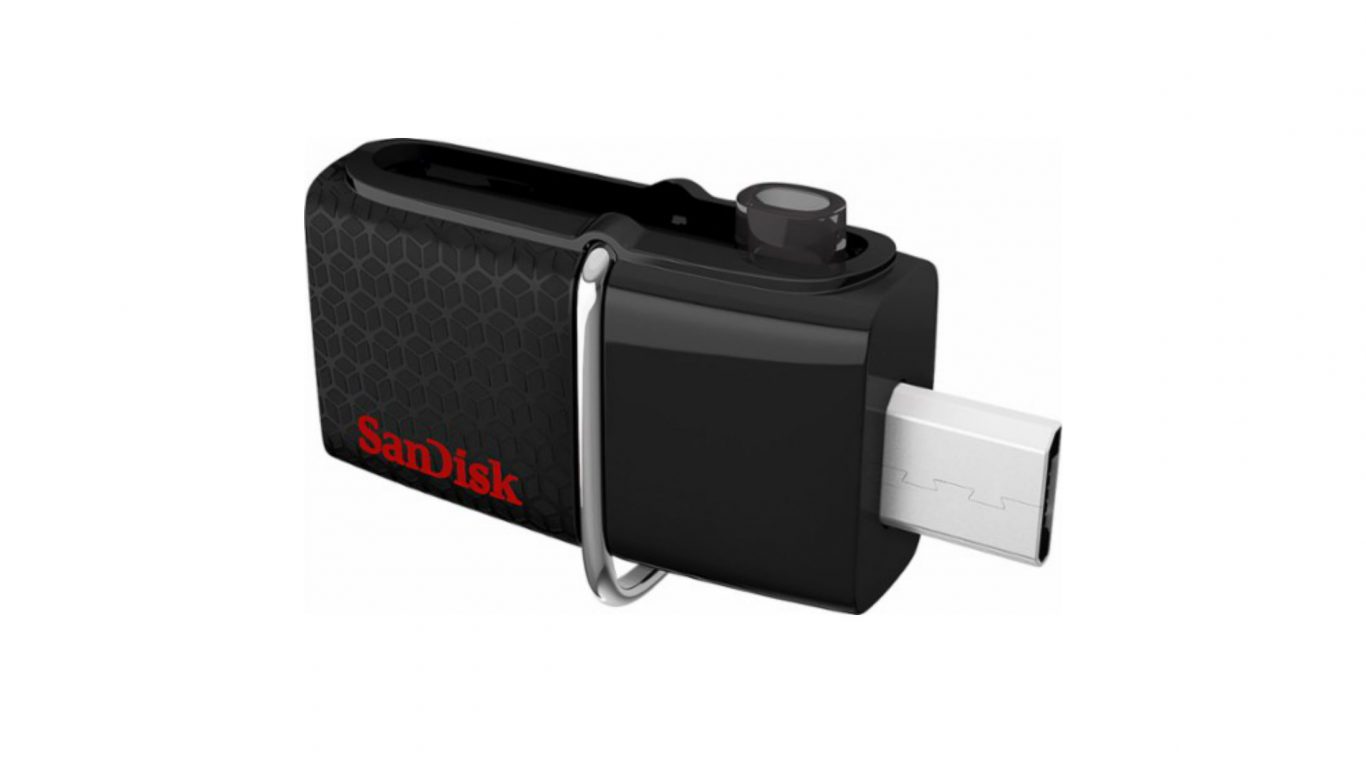
Cramer warns SanDisk and Western Digital are worst stocks if data center capacity shrinks
Jim Cramer called out two storage giants sitting on massive year-to-date gains as the most dangerous stocks to own if one key spending trend reverses, and the math behind their profits makes the risk easy to underestimate.

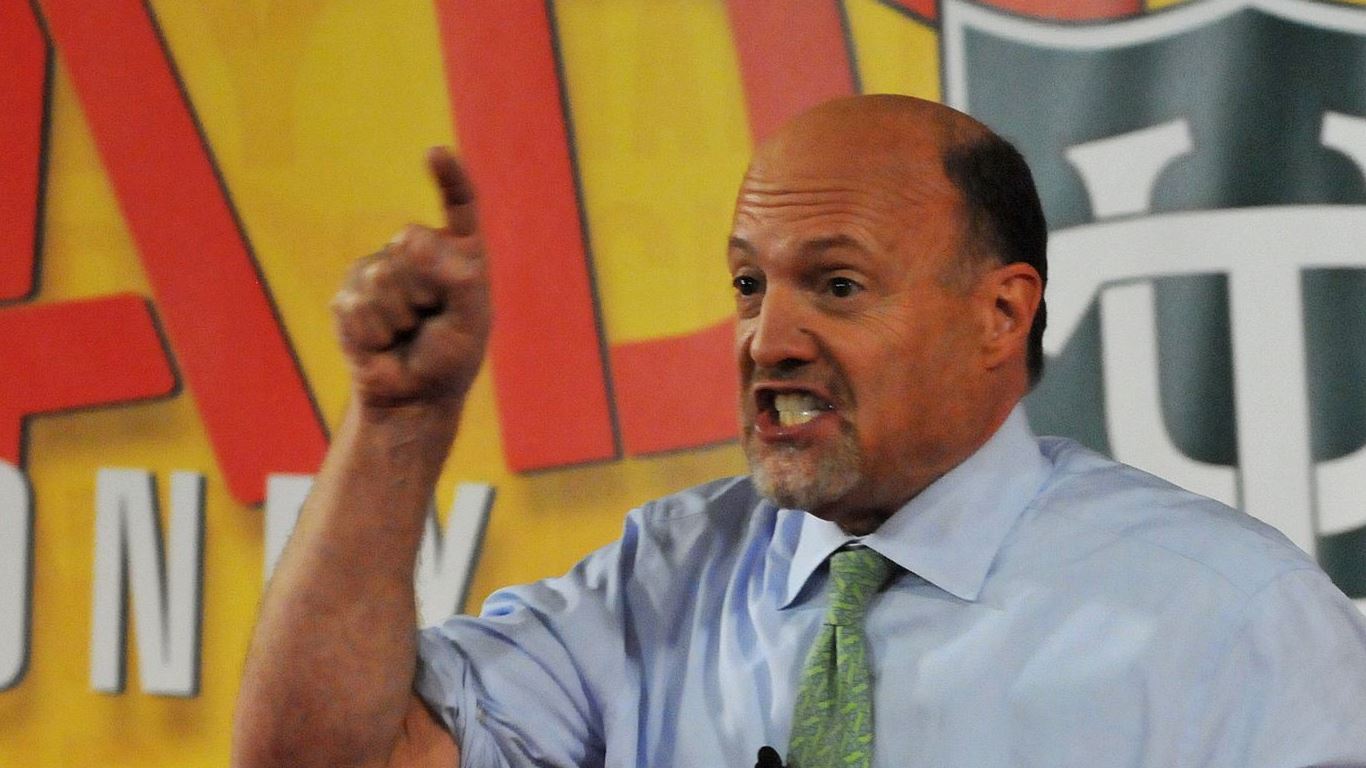
SanDisk (NASDAQ:SNDK | SNDK Price Prediction) closed at $1,371.12 on October 19, up 5.53%, and Western Digital (NASDAQ:WDC) rose 6.09% to $352.21. On his Stop Trading segment that day, Jim Cramer said the rebound hides a bigger risk.
“SanDisk and Western Digital really didn’t lead us down. Those who are considered to be two commodity plays that have not added a lot of capacity to the data center,” Cramer said. “If there really is going to be fewer data centers, they are the worst stocks to own.”
Investors should listen to the warning because SanDisk is up 477.61% year to date and Western Digital is up 104.68%, and both gains assume hyperscalers keep expanding AI infrastructure.
Microsoft (NASDAQ:MSFT) spent $115.948 billion on capital expenditures in fiscal 2026 and expects about $175 billion in fiscal 2027. As long as that spending rises, storage suppliers can sell everything they make, along with the power, cooling, and networking vendors we profiled in a free report on seven AI infrastructure stocks that aren’t chipmakers. A slowdown would hit companies whose profits depend on storage prices first.
Why Every Storage Chart Looks the Same
The October 19 bounce came amid a steep slide. Over the past month, SanDisk fell 23.48%, and Western Digital fell 20.2%. Over the past week, they lost 7.81% and 8.98%.
“They’re doing well today. I do come back to the fact that every one of these charts looks the same,” Cramer said.
The market treats storage as one AI data center trade. Hard drive stocks also fell recently on fears tied to Toshiba. So holding both stocks gives you little diversification, because the same thing drives both: how fast hyperscalers build.
How Commodity Pricing Magnifies the Swing
SanDisk sells NAND flash, and Western Digital sells hard disk drives, and supply and demand set both prices. About two-thirds of SanDisk’s sequential revenue growth last quarter came from higher prices.
That pushed SanDisk’s fiscal fourth-quarter revenue to $8.96 billion, up 371.6% year over year, with an 84.6% GAAP gross margin. Western Digital’s non-GAAP gross margin expanded 1,310 basis points to 54.4%.
When orders slow, prices tend to drop faster than volumes, and margins shrink with them. That makes SanDisk’s trailing P/E of 17 misleading. For cyclical producers, peak earnings make the multiple look lowest just before profits fall.

Prepayment Deals Are SanDisk’s Best Defense
As Cramer sees it, both companies sell parts into new construction, so their revenue rises and falls with the pace of building. Monthly billing from an installed customer base would cushion a slowdown, and neither company has that.
During the boom, tight supply has helped them. SanDisk said “demand from our customers is growing faster than our supply” and expects to keep allocating supply beyond calendar year 2027.
Its New Business Model agreements, which rely on customer prepayments and deposits, now cover eight customers. At floor pricing, they guarantee at least $93.9 billion in revenue, backed by $16.5 billion in financial guarantees.
Still, floor pricing only limits how far revenue can fall, and the rest of SanDisk’s sales move with market prices. Western Digital, now a pure hard drive company, gets 89% of its revenue from cloud customers.
Signals That Would Prove Cramer Right or Wrong
Cramer would look wrong if hyperscalers hold or raise their spending plans, flash and drive prices stay firm, and more prepayment-backed contracts get signed. Spending cuts, delayed data center projects, or falling memory and drive prices would prove him right.
In July, Microsoft’s chief financial officer said demand exceeds supply “in a sort of relatively extreme moment.”
The same executive said about two-thirds of quarterly capex goes to short-lived chips that Microsoft can stop buying if demand changes. That flexibility protects the buyer and leaves suppliers exposed.
What Storage Investors Should Weigh Before the Cycle Turns
For investors sitting on large gains, SanDisk carries meaningful downside risk if the spending cycle slows down. At a $198.2 billion market value, the stock already prices in peak-cycle demand, and SanDisk has to accept whatever price the market sets.
Western Digital faces the same risk. Its $131.8 billion valuation depends on the same hyperscaler orders.

Microsoft has more durable exposure to AI demand. Azure grew 43%, and commercial remaining performance obligation rose 84% to $678 billion.
Much of that revenue is contracted and recurring. Microsoft also controls the spending decisions that Cramer fears could turn against storage suppliers.
Contact [email protected] for any questions or corrections.
Omor Ibne Ehsan is a writer at 24/7 Wall St. He is a self-taught investor with a focus on growth, cyclical, and dividend equities that have strong fundamentals, value, and long-term potential. He also has an interest in high-risk, high-reward investments such as penny stocks.