1970s Mortgage Rates Were Much Higher Than Today’s 7.4%, And The Housing Market Still Boomed. So Why Is It Frozen Now?
Mortgage rates in the 1970s regularly topped 15% and buyers still lined up. Today a rate near 7.4% has nearly frozen the market solid, and the explanation involves two forces most buyers never see coming.


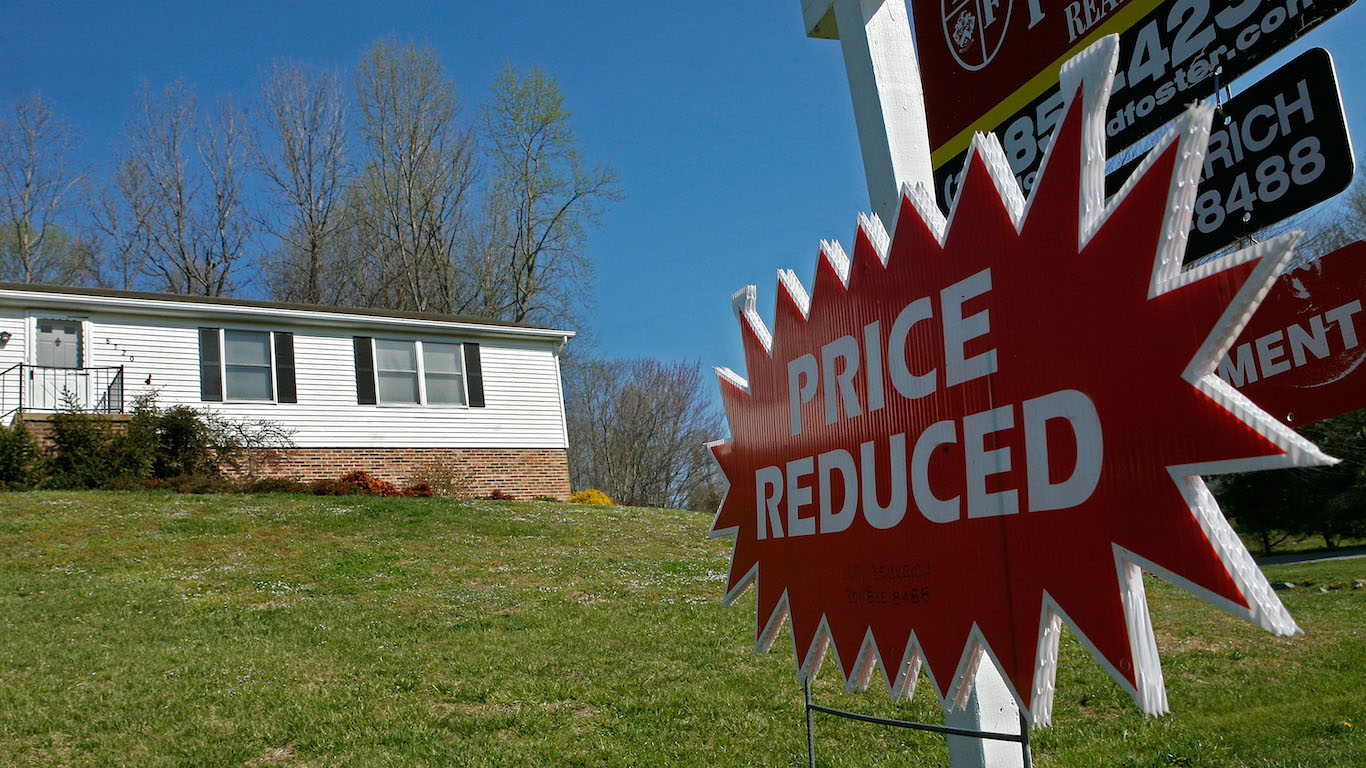
On Tuesday’s Marketplace Morning Report, host Kimberly Adams raised a puzzle. The average 30-year fixed mortgage stands “just shy of 7.5%”, which is actually below the roughly 7.5% average since 1971. Economist Craig Richardson bought his first home in the early 1990s at 7%, and it felt cheap because his parents had paid 15%. Today a similar rate has stalled the market. Housing starts fell nearly 7.5% year on year in September, and pending home sales dropped to a 25-year low.
So what gives? The numbers behind the section show a market frozen by two forces at once, and both sit largely outside policymakers’ quick reach.
A Rate Shock Measured in Months
Freddie Mac’s 30-year average reached 7.40% on October 15, up from 5.98% on February 26. That is the highest reading since November 2023, and 0.64 points of the rise came in a single month. A family that set a budget last winter is now told a much bigger monthly payment on the same house.
Builders are pulling back. Starts ran at a 1.22 million annualized pace in September, down 7.4% from a year earlier and 5.2% from August.
Why Fed Relief Skipped Your Mortgage
The Fed’s target upper bound is 4.00%, which is a quarter point lower than a year ago. Mortgages, however, are priced off the 10-year Treasury, and that yield hit 5.15% on October 19. That is up 1.13 points year over year, after a peak of 5.31% on October 5. Bond investors are asking more to lend for long periods, and they set the price of a 30-year loan. Cuts to overnight rates do not reach homebuyers while long yields are climbing.
Prices That Refused to Budge
In past rate spikes, home prices adjusted. This time they kept rising. The Case-Shiller national index set a record of 337.3 in July, up 1.9% year over year. That data runs about two months behind.
Affordability measures show a sharper break in 2026. Marketplace’s Caitlin Tan reported that homes cost about three times median income in the 1980s versus about five times now. Earlier buyers also expected rates to fall so they could refinance. Villanova’s Gina Kenney says 7% “might be as good as it gets.” Credit standards are also tighter. Tara Roach of Pew Research says that makes it “very difficult for moderate score borrowers to access mortgages the way that they used to.” Realtor.com economist Hannah Jones, a millennial, put it simply: “My starter home is going to have to be my forever home.”
Bankrate’s Jeff Ostrowski calls this a housing recession: owners staying put, buyers putting off decisions. Redfin economist Daryl Fairweather says the damage to the wider economy has been limited because the job market’s strong and AI and data center construction are booming.
Signals That Will Decide Spring 2027
Investors are split. D.R. Horton (NYSE:DHI | DHI Price Prediction), the largest U.S. homebuilder, is down 7.73% over the past year at $140.17, but it rose 3.48% in the past week. The weekly gain suggests some buyers see a possible bottom.
The 10-year yield matters more than the Fed’s next meeting. If it stays above 5%, mortgage rates have little room to fall. The other signal is Case-Shiller: a negative year-over-year reading, last seen in 2023, would mean prices are finally starting to correct. Until long yields ease or prices give way, the 1970s comparison offers buyers no relief.
Data Sources
- Marketplace Morning Report, October 21, 2026: housing starts, pending sales, the price-to-income comparison and expert quotes.
Contact [email protected] for any questions or corrections.
AJ spent 10 years writing about financial markets at The Motley Fool. His coverage centers on technology stocks and the broader macroeconomic trends, from interest rates to geopolitics, that shape where markets are headed next. AJ is drawn to the stories where big-picture economics and individual companies collide.