America’s Housing Market Just Hit a 30-Year Low — and 7% Mortgage Rates Are Making It Worse
Mortgage rates fell three weeks running, yet buyers still stayed home. The reason has less to do with rates than with a squeeze on both sides of the deal, and the people hurt most may not be who you expect.

This post may contain links from our sponsors and affiliates, and Flywheel Publishing may receive compensation for actions taken through them.

Mortgage rates gave buyers a small break last week. Freddie Mac’s 30-year fixed average fell for a third consecutive week to 7.18% on November 5. Buyers stayed away anyway. The purchase mortgage applications index reportedly fell 2% last week to 131, its sixth-lowest weekly reading since 1995. Judged by the people trying to buy a home, the market is running near a 30-year low.
That gap is the real story. A small rate decline used to pull buyers off the fence. Now it barely registers, because the math broke months ago.
How 2026 Swung From Relief to Reversal
The year started with hope. The 30-year rate bottomed at 5.98% on February 26, and the 10-year Treasury yield touched 3.97% a day later. Then long-term borrowing costs turned back. The 10-year rose to 5.31% by October 5. Last December, the target range’s upper bound was cut to 3.75%, then lifted back to 4.00% on September 17. Mortgage rates followed, peaking at 7.40% in mid-October and staying above 7% for seven consecutive weeks.
That adds up to a rise of 1.2 percentage points since February. On a $400,000 mortgage, monthly principal and interest rose from about $2,393 to $2,709. That is $316 more every month, or $3,792 a year, for the same house.
Lock-In Is Freezing Both Sides of the Deal
Millions of owners holding 3% or 4% mortgages have little reason to sell and take on a loan above 7%. That keeps listings thin and prices high. The Case-Shiller national index stood at 336.7 in August, just below its July reading of 337.3, the highest of the past year. Fortune reports that starter homes now cost $1 million in a record number of U.S. cities.
Buyers face peak prices and 7% money at once. Existing-home sales ran at a 3.99 million annualized pace in September, below the 4.5 million to 5.5 million range considered healthy. The Kobeissi Letter reports that purchase applications have fallen 32% since January and sit roughly 50% below 2019 levels. University of Michigan consumer sentiment fell to 48.1 in September, a level associated with recessions.
Builders and Housing-Linked Businesses Feel the Damage
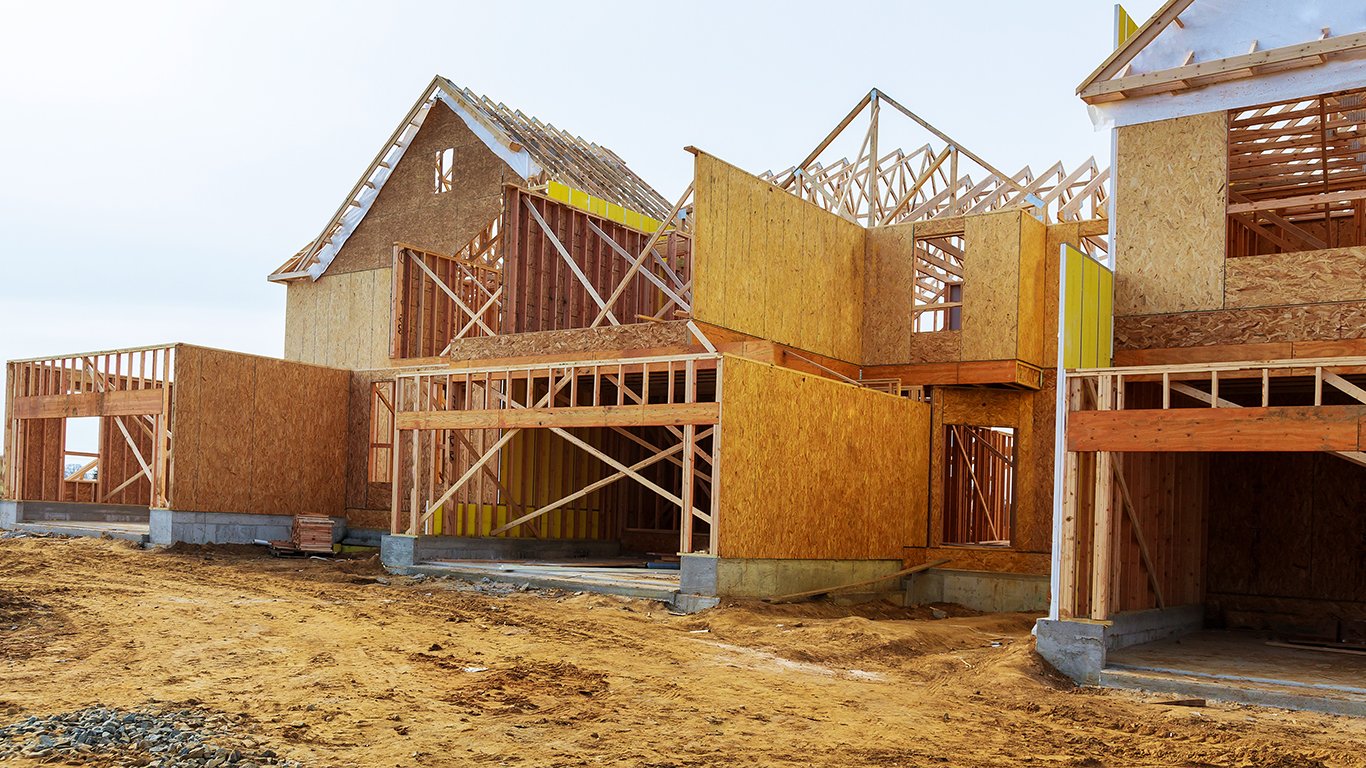
Builders are already pulling back. Housing starts fell to a 1.22 million annualized pace in September from 1.52 million in March. Construction leads the economy by 12 to 18 months, so that slowdown points to weaker activity into 2027. Every sale that never happens also wipes out a broker’s commission, a lender’s fee and a furniture or renovation order.
The biggest loser is the first-time buyer. Owners with cheap loans and built-up equity can wait. Renters face the full payment shock with no low-rate mortgage to fall back on.
Signals That Would Mark a Thaw
The 10-year yield has eased to 4.84%, and the Fed is holding at 4.00%. The key question is whether that relief drives the 30-year rate clearly below 7%, and whether the weekly purchase index climbs off 131 in response. If rates fall and applications keep sliding, prices have become the binding constraint. The next tell would be a year-over-year decline in Case-Shiller, a sign that sellers are finally cutting prices to restore affordability. October existing-home sales, due later this month, will show whether September’s 1.5% rebound held.
Contact [email protected] for any questions or corrections.
After two decades of patrolling the dark corners of suburbia as a police officer, Rich Duprey hung up his badge and gun to begin writing full time about stocks and investing. For the past 20 years, he’s been cruising the markets looking for companies to lock up as long-term holdings in a portfolio while writing extensively on the broad sectors of consumer goods, technology, and industrials. Because his experience isn’t from the typical financial analyst track, Rich is able to break down complex topics into understandable and useful action points for the average investor. His writings have appeared on The Motley Fool, InvestorPlace, Yahoo! Finance, Money Morning, and, of course, 24/7 Wall St. He has been featured in both U.S. and international publications, including MarketWatch, Financial Times, Forbes, Fast Company, and USA Today.