Elon Musk: SpaceX Revenue Could Hit “Somewhere Between $500 Billion and a Trillion” by 2027
SpaceX just posted its first quarterly profit, but the biggest spending wave in the company's history is about to hit the income statement at the same moment Elon Musk is chasing a revenue target that would make it one of…

SpaceX (NASDAQ:SPCX | SPCX Price Prediction) earned $4.4 billion in the third quarter. A year earlier, it lost $1.1 billion, and its shares rose 7.79% to $159.31 after the report.
Revenue grew more than 160% to $14.6 billion. The AI computing division supplied $7.6 billion of that total, which makes it the largest business at a company most people still know for rockets and Starlink.
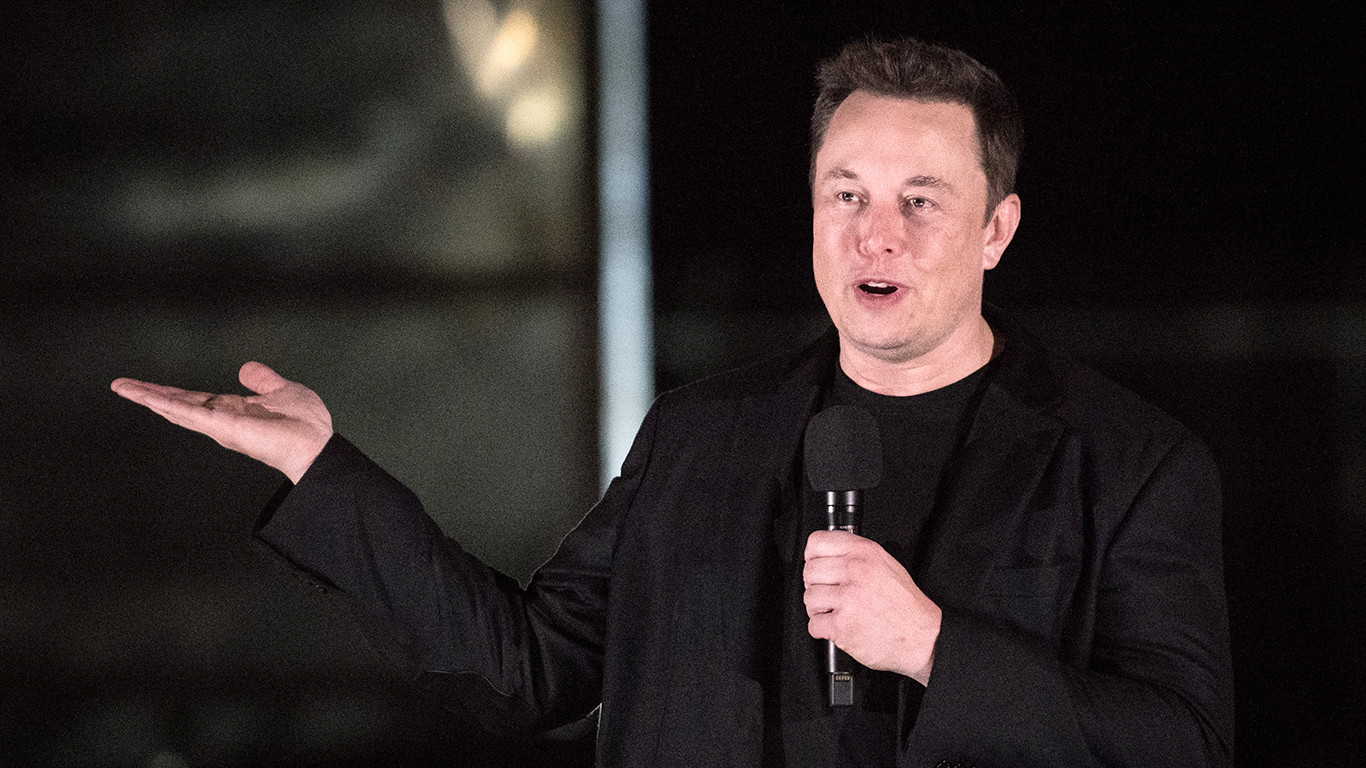
On the call, Elon Musk said annual recurring revenue by the end of 2027 could be “somewhere between $500 billion and a trillion.” To get there, SpaceX would have to build compute faster than almost any company has tried.
That creates a problem for shareholders. The first profit arrived just before the biggest spending in SpaceX history starts showing up on the income statement, and a possible combination with Tesla (NASDAQ:TSLA) would need to clear an unusually high approval bar.
Tesla rose 3.41% to $386.47 the same day. It is still down 14.06% for 2026.
How Durable Is SpaceX’s First Profit?
Net income of $4.4 billion was higher than operating income of $2.8 billion, so items below the operating line helped. Adjusted EBITDA of $8.8 billion excludes depreciation, which matters most here.
Connectivity’s 55% gross margin also got a one-time lift of about 3%, mostly from tariff refunds. The superintelligence division earned $431 million in operating income after $1.2 billion of stock compensation tied to Cursor. Another $23 billion in Cursor awards will be expensed over about three years.
Capex was $19.6 billion last quarter and could reach $40 billion in the fourth. That spending turns into depreciation, and GPUs lose value faster than launch pads do.
Payback in Under a Year Assumes Prices Hold
Management said new compute installations pay for themselves in less than a year, with pricing a little above the high end of a $30 to $50 per watt range. That figure is the firmest support for the bullish view.
Musk said every hyperscaler is asking for capacity. He prefers short contracts near spot rates because he expects computing to be worth more per watt over time.
Short contracts reprice quickly, up or down. If newer chips or a pause in demand push rental rates lower, payback gets longer just as depreciation tops. GPUs that age faster than expected would do the same thing, because a chip that earns less in its second year takes longer to pay back its cost.
What Has to Go Right to Reach 13 GW
SpaceX ended the quarter with 1.7 GW of computing and is aiming for 13 GW by the end of 2027. Musk said power, cooling, and electrical equipment are the limits. SpaceX is building 20 GW of new power and cooling and casting its own turbine blades, because suppliers say those parts are 12 to 18 months behind.
All of that expansion, the power, the cooling, the turbines, has to come from somewhere, and the suppliers behind it rarely get the attention the chipmakers do. We pulled together seven of them in a free report on the AI infrastructure trade.
Most of the 2027 plan depends on Vera Rubin systems from NVIDIA (NASDAQ:NVDA), so those chips have to arrive on time. Demand also has to keep up. Grokbot had 800,000 paid weekly users in early October, which is still small for a fleet that size.
Dilution and a Tesla Vote Hang Over Holders
SpaceX’s first bond sale raised $25 billion, but debt adds fixed costs to revenue sold on short contracts. Paying in stock dilutes holders directly. The $60 billion Cursor deal came with billions in replacement equity awards.
A Tesla deal needs 50% of all outstanding Tesla shares, Musk said. That is hard to reach because many holders never vote, and Musk has stepped back from the talks because he has a conflict.
More scale and cheaper capital would help SPCX holders. However, they would likely bear any premium paid to win Tesla votes, and Musk said he was “tap dancing through a minefield” on the topic.
Valuation Leaves Little Room for SPCX Missteps
SPCX looks expensive at $159.31. A market value of about $2.10 trillion already assumes much of the 13 GW build will happen, before depreciation, stock awards and dilution hit earnings.

Weekly Starship flights targeted for the first half of 2027 and possible S&P 500 eligibility give the stock some upside, but capex will matter more for earnings.
NVIDIA holds a less exposed position in this expansion. It sells SpaceX its systems, expects 74.0% gross margins this quarter, and gets paid before any rental price risk shows up. That view would change if SpaceX turns its $63 billion backlog into revenue while keeping payback under a year.
Contact [email protected] for any questions or corrections.
Omor Ibne Ehsan is a writer at 24/7 Wall St. He is a self-taught investor with a focus on growth, cyclical, and dividend equities that have strong fundamentals, value, and long-term potential. He also has an interest in high-risk, high-reward investments such as penny stocks.