Forbes editor urges Fed to cut printing, shrink balance sheet and appreciate dollar to combat import-driven inflation
Steve Forbes told Larry Kudlow that the Fed is fighting the wrong battle, and the retailers posting surprise earnings beats may already be showing why he has a point.

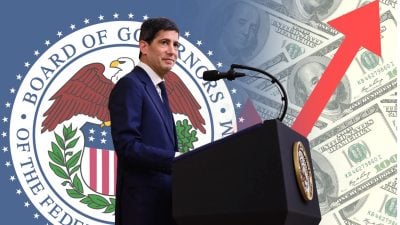
Steve Forbes sees the economy sending two signals at once. He spoke in an October 21 television interview with Larry Kudlow. The media chairman and editor-in-chief of Forbes cited third-quarter GDP growth of 3.5% alongside import prices up 8%.
He says pro-growth tax cuts and deregulation are working, and that inflation still reaching your grocery, fuel, and household bills is coming through a weak dollar.
His remedy targets money creation instead of interest rates. “I do think that they should cut the printing presses and shrink the balance sheet and appreciate the dollar,” Forbes said.
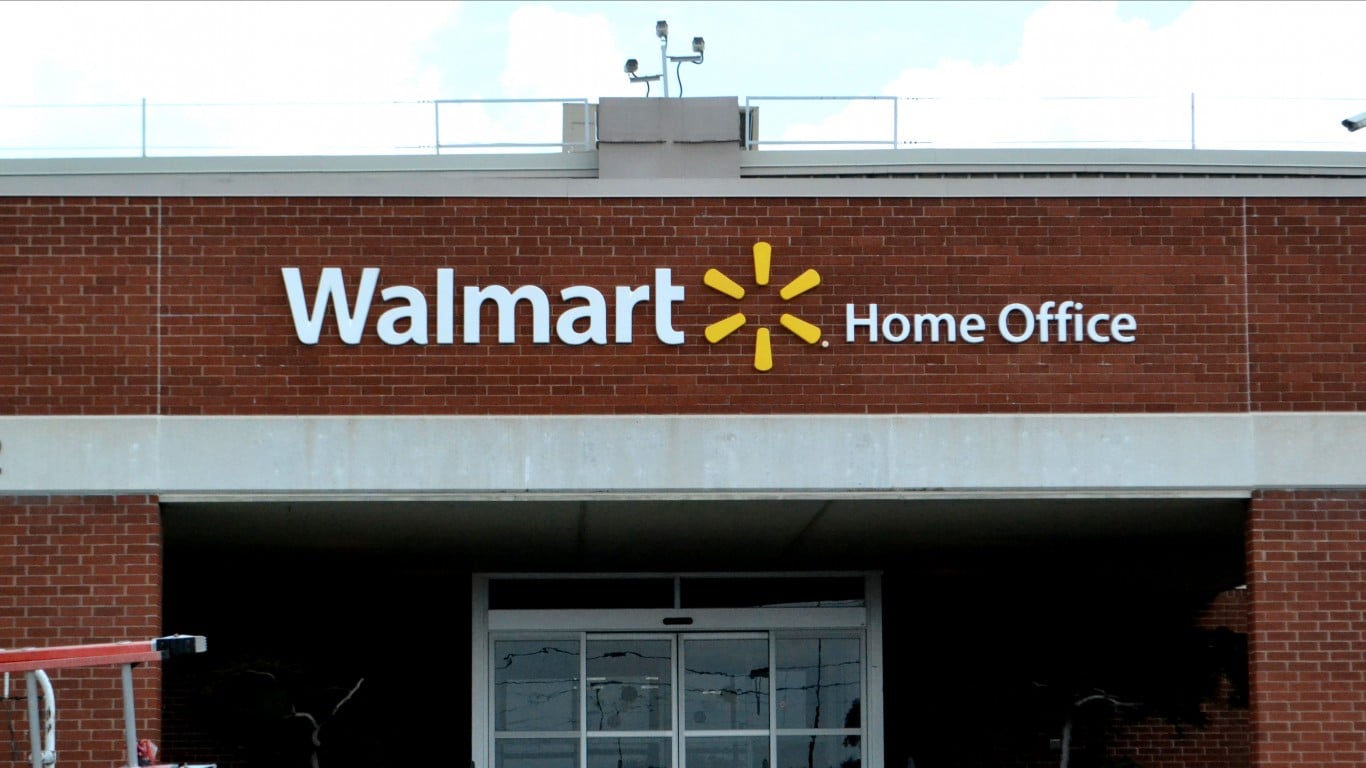
That matters for your portfolio because the largest U.S. importers just showed how sensitive their margins are to trade costs. Walmart (NYSE:WMT | WMT Price Prediction), Target (NYSE:TGT), Costco Wholesale (NASDAQ:COST) and TJX Companies (NYSE:TJX) all booked tariff refunds that lifted margins last quarter. A stronger dollar would move through the same lines on their income statements, and it would last longer.
How a Weak Dollar Raises Prices on Store Shelves
When the dollar falls, a foreign supplier needs more dollars to collect the same amount in its home currency, so U.S. prices for imported goods rise even when nothing else changes.
Forbes cited non-fuel import prices up 6% last month and fuel import prices up 5%, and described the trend as worsening.
The non-fuel number matters more. It reaches apparel, electronics, furniture and toys, and those increases tend to stick once shelves are updated, while fuel swings both ways.
Walmart said total inflation was running between 1% and 2%, and its inventory rose 6% in constant currency, partly on cost inflation.
Why Rate Hikes Miss Currency-Driven Inflation
Demand is healthy. A weekly retail sales tracker is up nearly 10% year over year.
Rate hikes work by making credit costlier until spending cools. If the pressure comes from the currency, higher rates can slow growth while import prices keep rising, and that is the core of Forbes’s critique.
Shrinking the Fed’s balance sheet means letting bonds it owns mature without replacing them. That drains money from the banking system and tends to support the dollar.
Forbes admitted that nobody, including the Fed, can control oil prices, but he said the central bank is responsible for the integrity of the dollar. That distinction matters because the Fed can influence currency-driven inflation but has little control over oil-driven inflation.
Tariff Refunds Preview the Retail Upside
Target recorded a $994 million pretax IEEPA tariff refund as a reduction of cost of sales, worth $1.65 per share. Adjusted EPS of $4.11 beat the $2.34 consensus.
Walmart was eligible for about $2.9 billion in refunds and is putting much of it into price, with more than 11,000 rollbacks in the quarter.
Costco booked a $0.15 per-share benefit and cut prices on produce, meat, and hardware. TJX received $331 million in refunds and credited tariff favorability for most of its merchandise margin gain. A stronger dollar would lower landed costs the same way, and these retailers have shown they will pass savings to shoppers to gain traffic.

Who Loses When the Dollar Strengthens
Apple (NASDAQ:AAPL) shows the cost. It expected foreign exchange to subtract around two and a half percentage points from year-over-year growth between the June and September quarters. A stronger dollar would compound that drag.
Commodity producers and gold usually fall when the dollar rises because they are priced in dollars, and balance-sheet runoff can also lift long-term yields, which pressures mortgages, housing and long-duration bonds. Raising rates into a growing economy can go too far. Slowing the money supply while output is expanding risks cooling demand more than intended.
Kudlow indicated the administration wants a stable, strong dollar and suggested it would push the Fed that way. Open conflict between the White House and the Fed would likely add volatility to currencies and bonds.
What a Stronger Dollar Means for Retail Stocks
Retailers that import inventory get cheaper goods and firmer margins, and their customers gain purchasing power. Walmart raised its fiscal 2027 adjusted EPS guidance to $2.80 to $2.87 before any currency help.
Against that, prices have risen roughly 21% cumulatively, and a stronger dollar would only slow future increases. Refunds are one-time, and Target shares are already up 60.11% year to date. The policy direction Forbes describes likely favors domestic sellers of imported goods while threatening multinationals.
Walmart depends less on refunds and currency than Target, since membership, advertising, and marketplace drove nearly half its profit growth. Next, watch import prices, the dollar, and Fed balance-sheet runoff.
Contact [email protected] for any questions or corrections.
Omor Ibne Ehsan is a writer at 24/7 Wall St. He is a self-taught investor with a focus on growth, cyclical, and dividend equities that have strong fundamentals, value, and long-term potential. He also has an interest in high-risk, high-reward investments such as penny stocks.