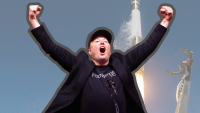
Tesla Falls 4% as Profit Shrinks and Musk Trims Sales Target; Rivian and Lucid Slip
Tesla beat earnings estimates but investors are selling anyway, and the reasons go well beyond a single quarter's results. A shrinking profit, a cut spending plan, a reduced sales target, and an unresolved merger question are each pulling the stock…

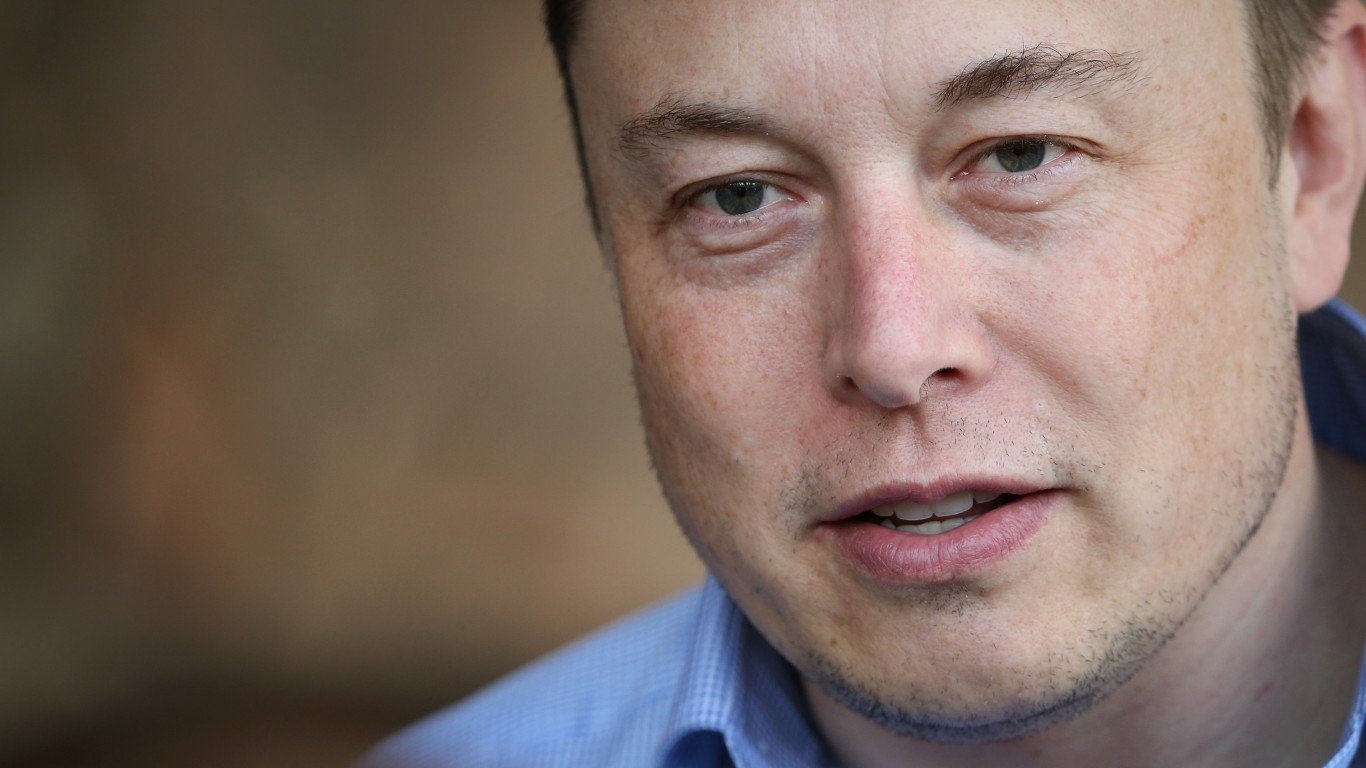
A headline earnings beat from Tesla (NASDAQ:TSLA | TSLA Price Prediction) on October 21 is losing out to shrinking profits, a reduced spending plan and a smaller long-range sales goal from Tesla CEO Elon Musk. Tesla stock is at $371.55, down 4% in morning trading.
Meanwhile, Rivian Automotive (NASDAQ:RIVN) stock is at $12.27, down 2%, a smaller drop than Tesla’s. Lucid Group (NASDAQ:LCID) stock is at $3.15, down 2%, also softer than Tesla’s decline.
The Invesco QQQ Trust (NASDAQ:QQQ) is down 2% as artificial intelligence (AI) spending worries weigh on large technology stocks. At the same time, the Global X Autonomous & Electric Vehicles ETF (NASDAQ:DRIV) has Tesla among its constituents and is declining 2%.
Shrinking Profit and a Smaller Sales Goal Overshadow the Beat
Q3 2026 results from Tesla showed net income falling 42.7% from a year earlier to $787 million, while revenue of $28.05 billion was essentially flat. On the positive side, Tesla’s free cash flow beat expectations, and adjusted earnings of $0.48 per share exceeded the consensus estimate.

The outlook carried more weight with Tesla shares. Management cut Tesla’s full-year capital spending forecast, with executive Vaibhav Taneja stating on the call, “We’re revising our CapEx guidance to be approximately $20 billion for the current year.” Musk also set an end-of-decade vehicle sales target far below his earlier projection, pointing to slower growth.
Rivian and Lucid Show How Much of the Selloff Belongs to Tesla
Rivian and Lucid are electric automakers with no robotics business or merger partner, so the gap between their moves and Tesla’s drop shows how much of the selloff belongs to Tesla’s own outlook. Year to date, Rivian stock was down 38% and Lucid shares had slid 70%, both larger than the 17% decline in Tesla stock. The Rivian bull case points to an upcoming new model and Volkswagen investment against larger losses; Lucid’s optimists cite a new CEO’s cash flow improvement plan, while skeptics focus on growing losses.
Research and development costs at Tesla rose to $2.76 billion from $1.63 billion as the company funded autonomy, the Optimus humanoid robot and AI compute. That bill pulled operating income down to $718 million from $1.62 billion. Taneja warned, “This trend of growing OPEX would continue till we commercialize these new products.”
Supply sets Tesla’s ceiling for now. Battery availability limited deliveries at 486,532 vehicles, and Musk asserted on the call, “Demand is growing rapidly for our vehicles. It’s exceeding our production by a significant margin.” Energy generation and storage revenue at Tesla reached $2.88 billion, and Musk said the company was “almost sold out of all megapacks for 2027.”
A bull case for Tesla rests on what that spending builds, including active Full Self-Driving subscriptions of 1.74 million versus 1.04 million a year earlier and the largest passenger vehicle backlog in four years. The bear case centers on a trailing P/E ratio of 402x for Tesla stock at a time when profits are contracting.

Tesla’s SpaceX Merger Review Is the Next Big Test
Musk’s other major company, SpaceX (NASDAQ:SPCX), reported third-quarter revenue of $14.6 billion on October 20. On the SpaceX earnings call, Musk said SpaceX and Tesla had formed independent board committees to study a merger, adding, “I can just say at this point that the special committees have not reached agreement on the terms of any transaction. And obviously there’s no guarantee that they will.” Reuters reported on October 22 that Musk’s public endorsement could delay the talks by several weeks.
Inside Tesla’s own call, Musk said he had covered the merger question the day before and was “tap dancing through a minefield there.” A moderator on the call added that Tesla “will not be addressing any questions today on a potential merger with SpaceX.”
The next test for Tesla is whether the independent committees agree on merger terms, and Musk called the required vote of all Tesla shareholders “quite a high hurdle to try to achieve.” Tesla management expects Robotaxi to become a significant part of revenue and profitability in 2027. Investors should consider keeping their position sizes modest until the Tesla and SpaceX merger review concludes.
Contact [email protected] for any questions or corrections.
David Moadel is financial writer specializing in stocks, ETFs, options, precious metals, and Bitcoin. David has written well over 1,000 articles for leading online publications, helping investors understand markets, income strategies, and risk.His work has appeared in The Motley Fool, InvestorPlace, U.S. News & World Report, TipRanks, ValueWalk, Benzinga, Market Realist, TalkMarkets, Finmasters, 24/7 Wall St., and others.With a master’s degree in education, David has taught at the elementary, high school, and college levels. That teaching background shapes his writing style: clear, educational, and practical. David has also built a loyal social-media audience by providing trustworthy financial content on YouTube, X/Twitter, and StockTwits.