The Biggest Price Hike in 49 Years Just Hit a Christmas Staple — and Families Could Feel It This Holiday Season
Toy prices just shattered a record that stood for nearly half a century, and the timing lands squarely in the middle of holiday shopping season. Families building their Christmas budgets and the retailers competing for their dollars are now caught…

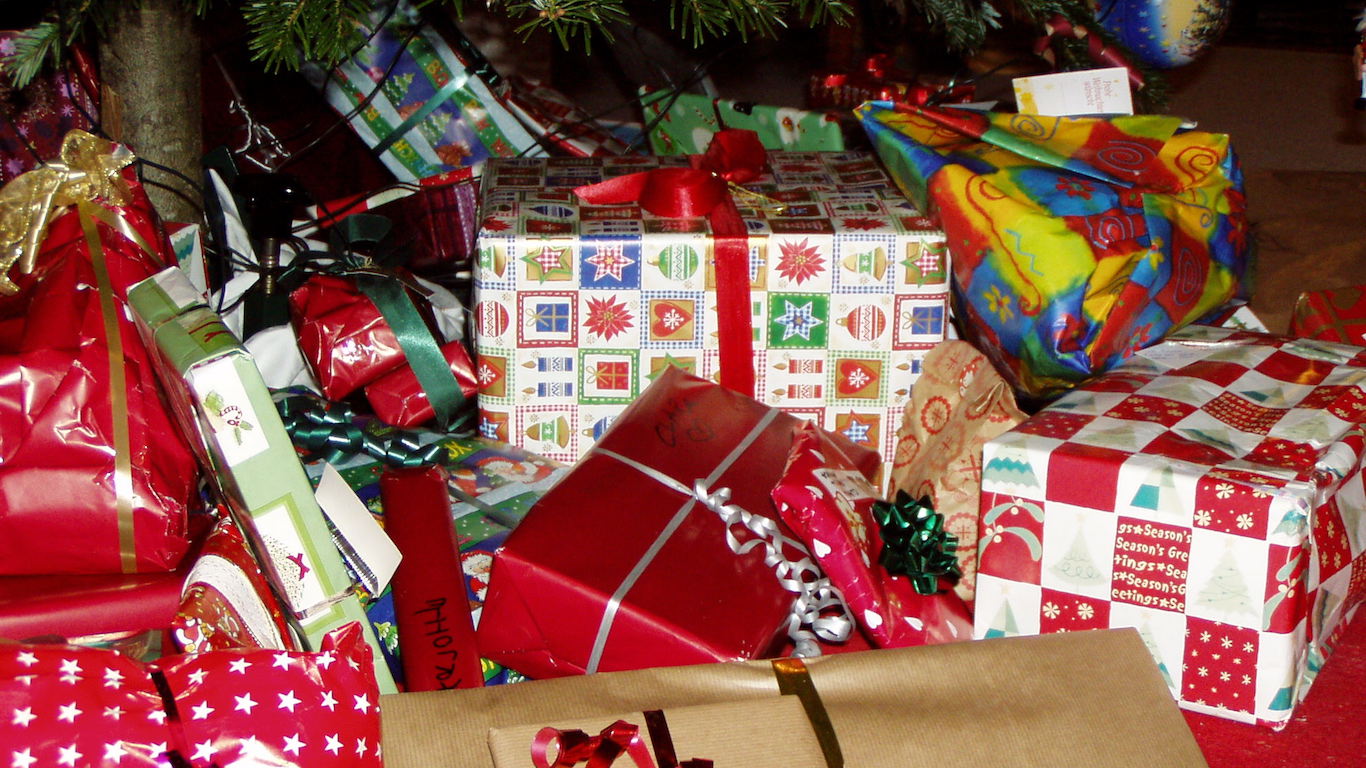
Christmas shopping has always required some financial juggling, but this year, Santa might need a bigger budget. American families are already contending with higher prices for groceries, electricity, gasoline, and other everyday necessities. Now the holiday shopping season is bringing another unwelcome surprise.
One of Christmas’s most recognizable traditions — toys under the tree — is getting more expensive at a pace not seen in decades. It’s another reminder that inflation isn’t just an economic statistic. It’s something families confront every time they open their wallets, and the timing couldn’t be much worse.
Toy Prices Just Set an Unwelcome Record
According to the Bureau of Labor Statistics’ September Consumer Price Index report, released Oct. 14, toy prices jumped 4.2% in a single month, the largest seasonally adjusted monthly increase in the index’s 49-year history.
Over the past 12 months, toy prices have climbed 6.6%, nearly twice the overall inflation rate of 3.7%.
For families planning Christmas shopping, those numbers carry real consequences. A holiday toy budget of $500 last year would need approximately $533 this year to purchase the same mix of merchandise, assuming prices followed the national average.
And toys aren’t the only things getting more expensive. Rising manufacturing costs are threatening to push another wave of inflation onto store shelves, potentially squeezing household budgets further.
Granted, toy prices fell 2.3% in August, so September’s increase partly reversed an earlier decline. Nevertheless, the 6.6% annual gain shows the broader trend is unmistakably higher.
Why Christmas Is Getting More Expensive
To see what’s driving the increases, we need to understand that the toy industry is facing two pressures simultaneously: import tariffs and rising energy costs.
China manufactures most toys sold in the U.S., making the industry particularly vulnerable to import duties. Reuters reported Oct. 15 that higher oil prices are adding another burden because plastics, packaging, manufacturing, and transportation all depend on petroleum.
David Silverman, senior director at Fitch Ratings, warned that higher commodity and shipping costs could persist for several quarters.
The Toy Association also reported that toys represented $9.8 billion of the Chinese imports potentially eligible for preferential tariff treatment under a proposed trade framework. Relief, however, still requires regulatory steps before implementation.
That leaves manufacturers such as Mattel (NASDAQ:MAT | MAT Price Prediction), maker of Barbie and Hot Wheels, and Hasbro (NASDAQ:HAS), whose brands include Play-Doh and Nerf, confronting an uncomfortable choice: absorb rising expenses or pass them along to consumers.
Neither alternative is particularly attractive. Raising prices risks discouraging purchases, while holding prices steady squeezes profit margins.
Retailers face the same dilemma. Walmart (NASDAQ:WMT), Target (NYSE:TGT), and Amazon (NASDAQ:AMZN) compete aggressively for holiday shoppers, making discounts potentially necessary even as merchandise costs rise.
The Holiday Spending Squeeze
The bigger concern isn’t simply that toys cost more. It’s whether families have enough money left after paying their bills to maintain their usual holiday spending.
A Federal Reserve survey of how Americans would use unexpected cash highlights the financial caution increasingly influencing consumer behavior.
And although Mastercard economist Michelle Meyer forecast 5.5% holiday retail sales growth, rising prices could account for part of that increase rather than Americans actually purchasing more merchandise.
For retailers and investors, that gap can be measured in profit margins. Higher sales revenue means considerably less when companies must sacrifice profitability through promotions to generate it.
Key Takeaway
Christmas hasn’t been canceled, but it may come with a steeper price tag.
Families should establish gift budgets early, compare prices across retailers, and avoid assuming Black Friday discounts automatically represent the best deals.
Investors should watch holiday unit sales and profit margins rather than revenue growth alone. The companies that protect margins while maintaining customer traffic will emerge in better shape.
In short, Santa may still deliver plenty of presents this Christmas — but making the numbers work could require a little more holiday magic.
Contact [email protected] for any questions or corrections.
After two decades of patrolling the dark corners of suburbia as a police officer, Rich Duprey hung up his badge and gun to begin writing full time about stocks and investing. For the past 20 years, he’s been cruising the markets looking for companies to lock up as long-term holdings in a portfolio while writing extensively on the broad sectors of consumer goods, technology, and industrials. Because his experience isn’t from the typical financial analyst track, Rich is able to break down complex topics into understandable and useful action points for the average investor. His writings have appeared on The Motley Fool, InvestorPlace, Yahoo! Finance, Money Morning, and, of course, 24/7 Wall St. He has been featured in both U.S. and international publications, including MarketWatch, Financial Times, Forbes, Fast Company, and USA Today.