Inflation Is 3.7%, but This Hidden Cost of Living Is Up 115%
Official inflation data shows prices rising at 3.7%, but a separate government report exposes a staggering cost surge that businesses are already absorbing and that households may not feel until they reach the checkout counter.

Inflation is squeezing American households again, and the latest government figures suggest the pressure could spread well beyond what families are paying today.
The Bureau of Labor Statistics reported consumer prices rose 3.7% annually in September, well above the Federal Reserve’s 2% inflation target. But another government report reveals a much more troubling increase lurking behind the scenes.
Businesses are confronting price increases that dwarf headline inflation, threatening to make everything from groceries to household essentials more expensive. And because these costs often work their way through the economy before reaching consumers, families may not have seen the full impact yet.
The 115% Inflation Shock Hiding in Plain Sight
The hidden culprit is diesel fuel. According to the Bureau of Labor Statistics’ September Producer Price Index (PPI), released Oct. 15, diesel producer prices jumped an astonishing 115.2% over the past year.
That’s more than 31 times the headline inflation rate.
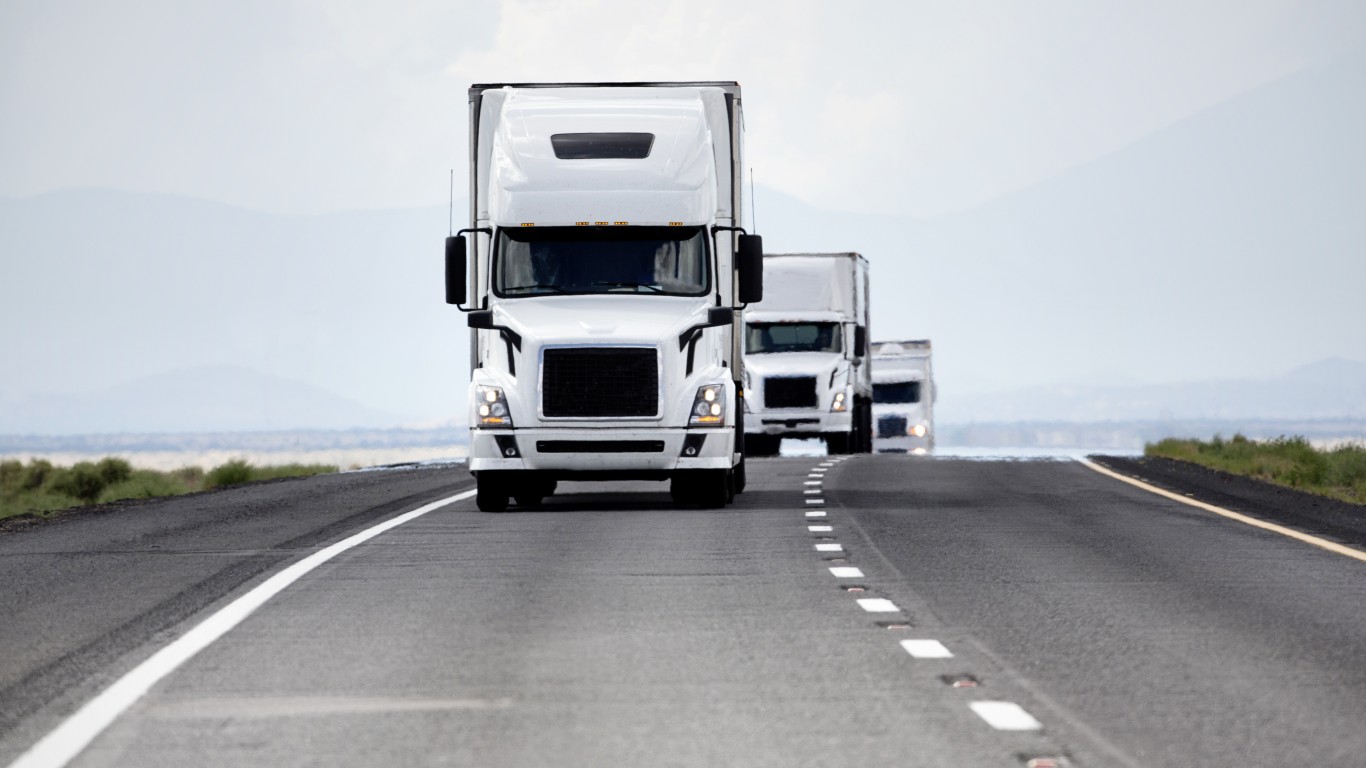
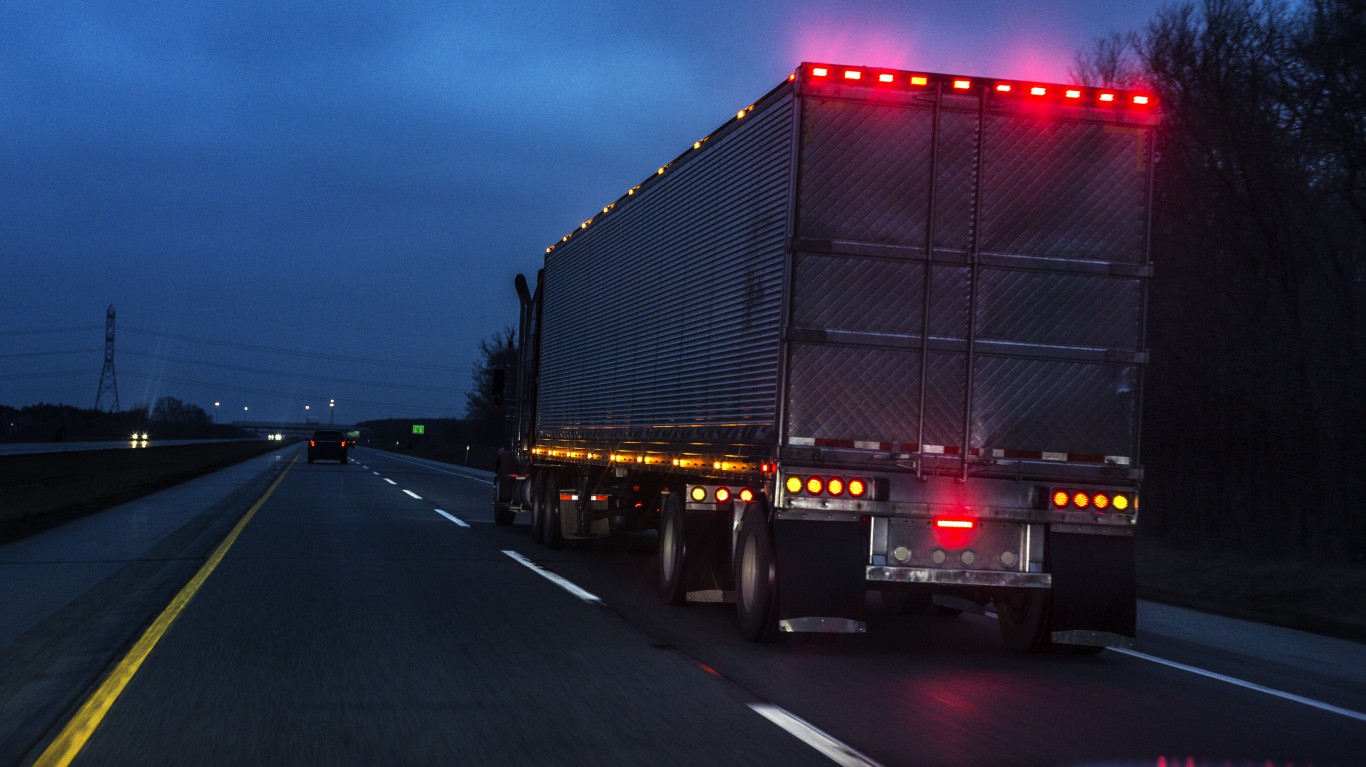
Diesel powers the trucks delivering groceries, the equipment harvesting crops, and the machinery moving merchandise across the country. When its price doubles, businesses face a choice: absorb higher operating costs or pass them along to customers. And diesel wasn’t the only energy product experiencing extraordinary inflation.
September 2026 Producer Price Increases, Year Over Year
| Category | Price Increase |
| Diesel fuel | +115.2% |
| Home heating oil | +117.5% |
| Jet fuel | +104.4% |
| Gasoline | +64.3% |
| Overall producer prices | +6.3% |
| Consumer prices | +3.7% |
Source: Bureau of Labor Statistics, September 2026 Producer Price Index and Consumer Price Index. The fuel figures measure producer prices, not retail pump prices.
Surprisingly, the broader PPI increased 6.3%, its largest annual advance since December 2022. Businesses are experiencing inflation nearly twice as fast as consumers.
The September report also showed truck freight transportation prices climbing 19.3% annually.
The inflationary threat posed by expensive diesel has surfaced before, but the latest numbers show how quickly fuel costs can ripple through the economy.
Why Your Grocery Bill Could Be Next
Before reaching your refrigerator, a gallon of milk must be collected from a farm, transported to a processing facility, refrigerated, packaged, and delivered to a supermarket. Each stage consumes energy, and several depend on diesel-powered transportation.
A 115% jump in diesel producer prices doesn’t mean milk prices will double. Fuel represents only one component of the final cost, and businesses can offset some increases through efficiency or narrower margins. Still, those expenses add up.
Higher transportation costs can squeeze supermarkets, manufacturers, and restaurants simultaneously. Businesses operating on thin profit margins have less room to absorb them.
The pressure also isn’t shared equally. Research from the Federal Reserve Bank of New York found that lower-income households reduced gasoline consumption 7% during March’s price surge but still spent 12% more on fuel.
Americans are already paying 30% more for everyday living expenses than in 2019, leaving households with less room to absorb another wave of grocery price increases. As higher gasoline costs strain household finances, discretionary purchases often become the first casualty.
Higher Costs Could Keep Inflation Elevated
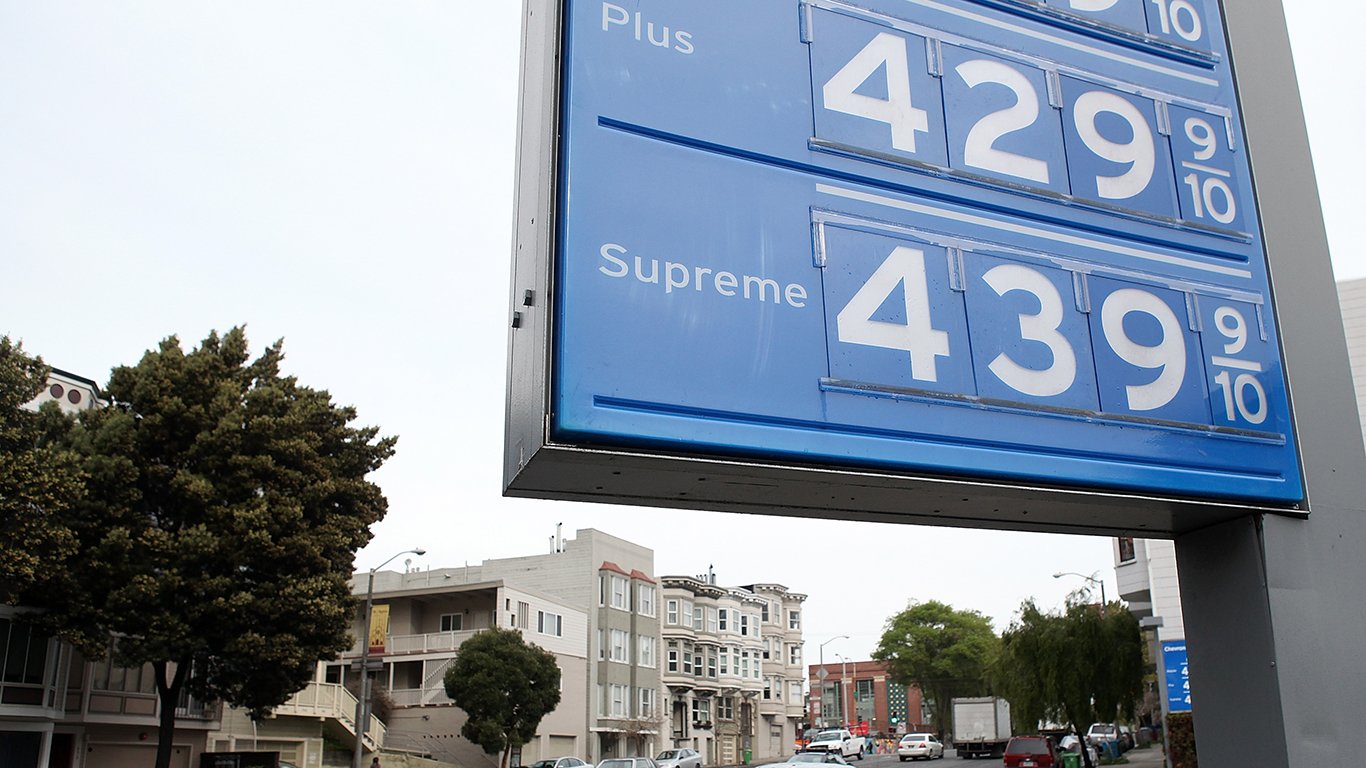
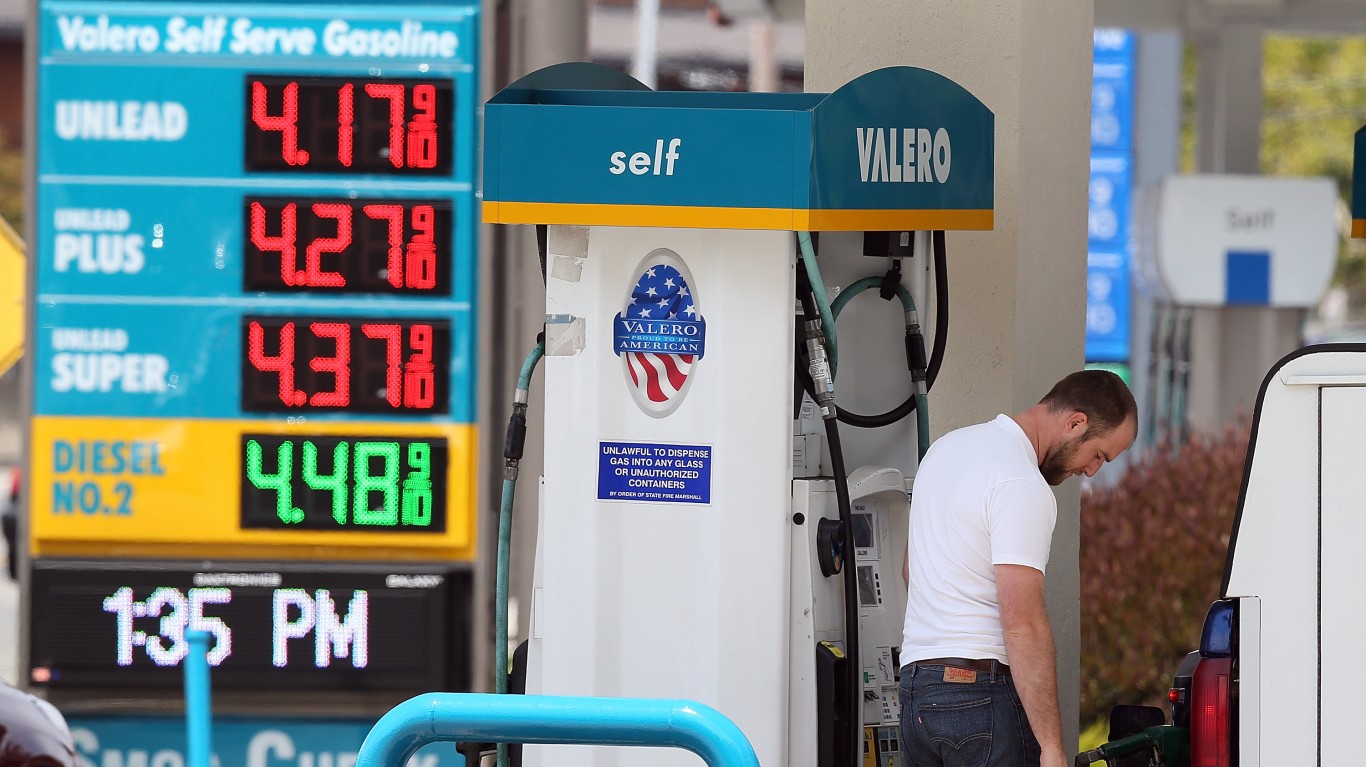
Granted, producer prices don’t automatically translate into higher consumer prices. Companies sometimes absorb increased expenses, and fuel prices can reverse quickly..Earlier this year, record diesel prices near $6 a gallon illustrated how rising energy costs could complicate the Fed’s efforts to bring inflation under control.
With inflation already running at 3.7%, additional pressure from transportation and energy costs could make interest-rate cuts harder to justify. That would leave families facing potentially higher prices alongside elevated borrowing costs.
It’s a combination that can weigh on consumer spending, business profitability, and economic growth. Earlier this year, rising energy costs pushed inflation above 4%, illustrating how quickly an energy shock can spread into the broader economy.
Key Takeaway
In short, the 3.7% inflation rate tells Americans how much consumer prices have risen. The 115.2% diesel increase reveals one source of pressure that could push future prices higher.
Families should prioritize essential spending, compare grocery prices, and leave some breathing room in household budgets. For investors, companies with pricing power, manageable transportation expenses, and dependable cash flow deserve greater attention.
Ultimately, the greatest inflation risk isn’t necessarily what consumers are paying today. It’s the costs still working their way toward the checkout counter.
Contact [email protected] for any questions or corrections.
After two decades of patrolling the dark corners of suburbia as a police officer, Rich Duprey hung up his badge and gun to begin writing full time about stocks and investing. For the past 20 years, he’s been cruising the markets looking for companies to lock up as long-term holdings in a portfolio while writing extensively on the broad sectors of consumer goods, technology, and industrials. Because his experience isn’t from the typical financial analyst track, Rich is able to break down complex topics into understandable and useful action points for the average investor. His writings have appeared on The Motley Fool, InvestorPlace, Yahoo! Finance, Money Morning, and, of course, 24/7 Wall St. He has been featured in both U.S. and international publications, including MarketWatch, Financial Times, Forbes, Fast Company, and USA Today.