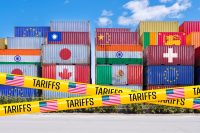
Trump Says Tariffs Create Wealth — but Families Are Paying More and Buying Less
Federal Reserve researchers tracking real household spending found something unexpected buried in the tariff data, and it has nothing to do with the prices families are paying at checkout.

This post may contain links from our sponsors and affiliates, and Flywheel Publishing may receive compensation for actions taken through them.
American families have spent years watching their paychecks buy less at the grocery store, gas station, and shopping mall. Since 2019, consumer prices have climbed more than 30%, according to Bespoke Investment Group, and the latest inflation report shows little relief ahead. The Bureau of Labor Statistics says prices rose another 3.7% over the past year.
Now there is evidence that families aren’t simply paying higher prices. They’re changing what they buy, too. They’re skipping purchases, choosing cheaper products, and saving money because they’re worried about what comes next.
And President Trump’s tariffs are contributing to that behavior.
Trump Says Tariffs Don’t Cause Inflation. Families Beg to Differ
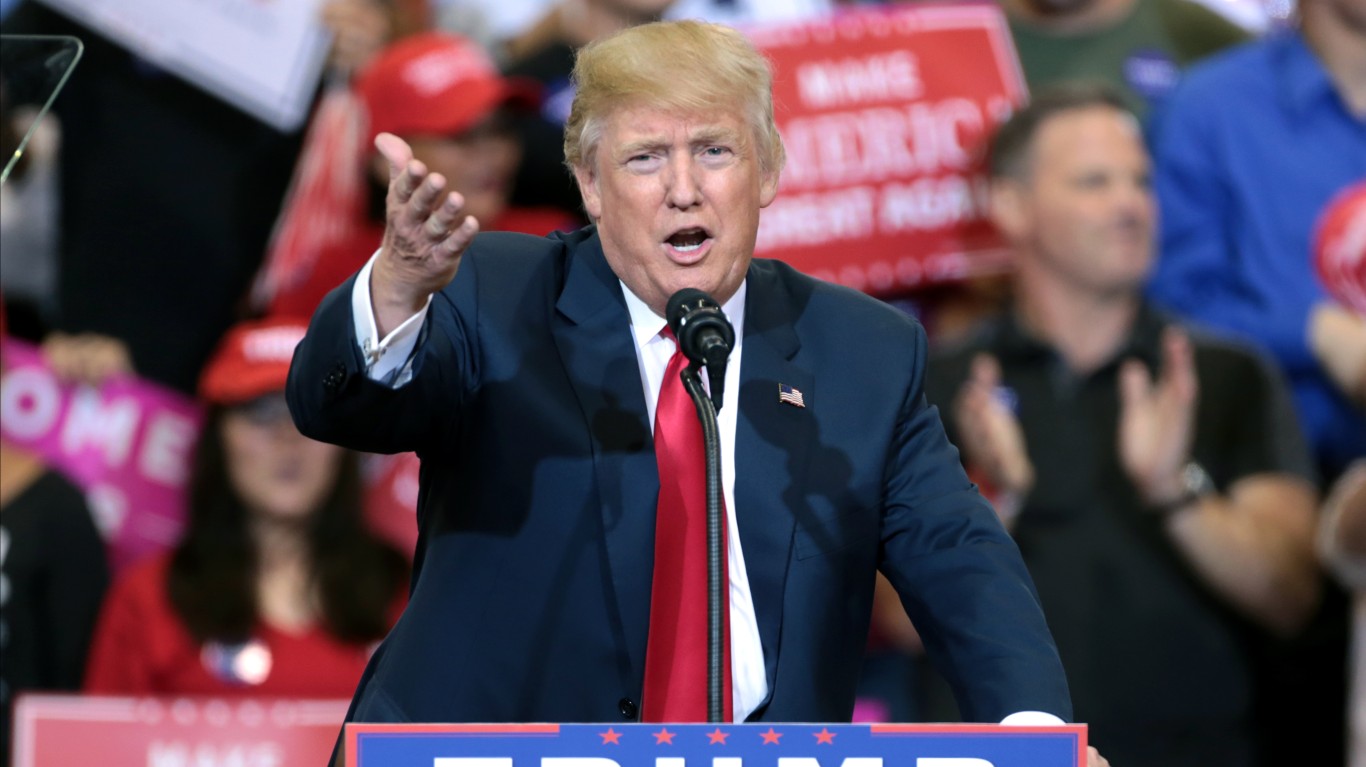
Speaking at an Oct. 14 campaign rally in Montana, Trump dismissed concerns that his trade policies were fueling inflation.
“We don’t have inflation, and tariffs don’t cause inflation. You know what they cause? Wealth,” he told supporters.
The president argues tariffs generate government revenue, encourage businesses to manufacture products domestically, and protect American workers from foreign competition.
Those benefits are possible. But they don’t eliminate the costs that businesses and consumers face.
Research from the Federal Reserve Bank of New York, published in August and revised in September, found approximately 26% of tariff increases passed through to consumer prices. Importantly, 36% of that price effect came indirectly, including higher costs for domestic manufacturers and higher markups by American competitors.
And businesses have warned that additional tariff-related price increases could reach consumers. Higher government revenue doesn’t necessarily translate into greater purchasing power for families paying those costs.
Families Are Cutting Spending 3X Faster Than Prices Rise
An especially revealing Federal Reserve study shows how Americans are responding. Published in June and revised in August, Paying More and Buying Less: 2025 Tariffs and U.S. Household Spending examined transaction-level spending data alongside household attitudes toward tariffs.
Researchers Sinem Hacioglu Hoke and Leo Feler discovered that spending on tariff-affected goods declined approximately three times as much as prices increased.
For example, the research’s original estimates found that a 1% to 2% tariff-related increase in prices coincided with roughly a 4% decline in spending on affected goods. Consumers weren’t simply paying more for the same merchandise. They were purchasing fewer items.
Surprisingly, the contraction wasn’t concentrated in groceries and other necessities. Instead, spending cuts occurred entirely among nonessential products — purchases families could postpone or eliminate.
Middle-income households were especially likely to cut discretionary spending when worried about tariffs. Meanwhile, concerned shoppers across income groups switched to cheaper versions of essential products.
That’s happening against a backdrop of everyday living costs already running 30% above 2019 levels.
For a family budgeting $500 for discretionary purchases, a 4% spending decline represents another $20 that isn’t going toward restaurants, clothing, household items, or entertainment.
It’s Not Just Higher Prices, It’s Fear of What’s Coming.
Perhaps the study’s most revealing finding concerns why families are spending less. The researchers estimated that lost purchasing power from tariffs explained at most one-third of the spending contraction. The remainder largely reflected precautionary behavior as families became more pessimistic about the economy.
In other words, Americans aren’t just responding to today’s prices. They’re preparing for tomorrow’s uncertainty.
That’s troubling for businesses heading into the holiday shopping season. September’s Consumer Price Index showed toy prices jumping 4.2% in one month, their largest monthly increase in 49 years. Families already facing higher Christmas toy prices may decide that fewer presents under the tree are preferable to carrying more credit card debt into 2027.
And when millions of households make similar decisions, businesses lose sales even as the prices they charge rise.
Key Takeaway
In short, Trump’s tariffs may help certain manufacturers and generate revenue for Washington, but the Federal Reserve’s research shows families are paying a heavy price of their own. Higher costs explain only part of the spending pullback. Economic anxiety is encouraging households to cut purchases before their finances deteriorate.
A policy can create revenue for the government without creating additional wealth around the kitchen table. Ultimately, prosperity isn’t measured only by how much money Washington collects. It’s measured by how much Americans can still afford to buy.
Contact [email protected] for any questions or corrections.
After two decades of patrolling the dark corners of suburbia as a police officer, Rich Duprey hung up his badge and gun to begin writing full time about stocks and investing. For the past 20 years, he’s been cruising the markets looking for companies to lock up as long-term holdings in a portfolio while writing extensively on the broad sectors of consumer goods, technology, and industrials. Because his experience isn’t from the typical financial analyst track, Rich is able to break down complex topics into understandable and useful action points for the average investor. His writings have appeared on The Motley Fool, InvestorPlace, Yahoo! Finance, Money Morning, and, of course, 24/7 Wall St. He has been featured in both U.S. and international publications, including MarketWatch, Financial Times, Forbes, Fast Company, and USA Today.