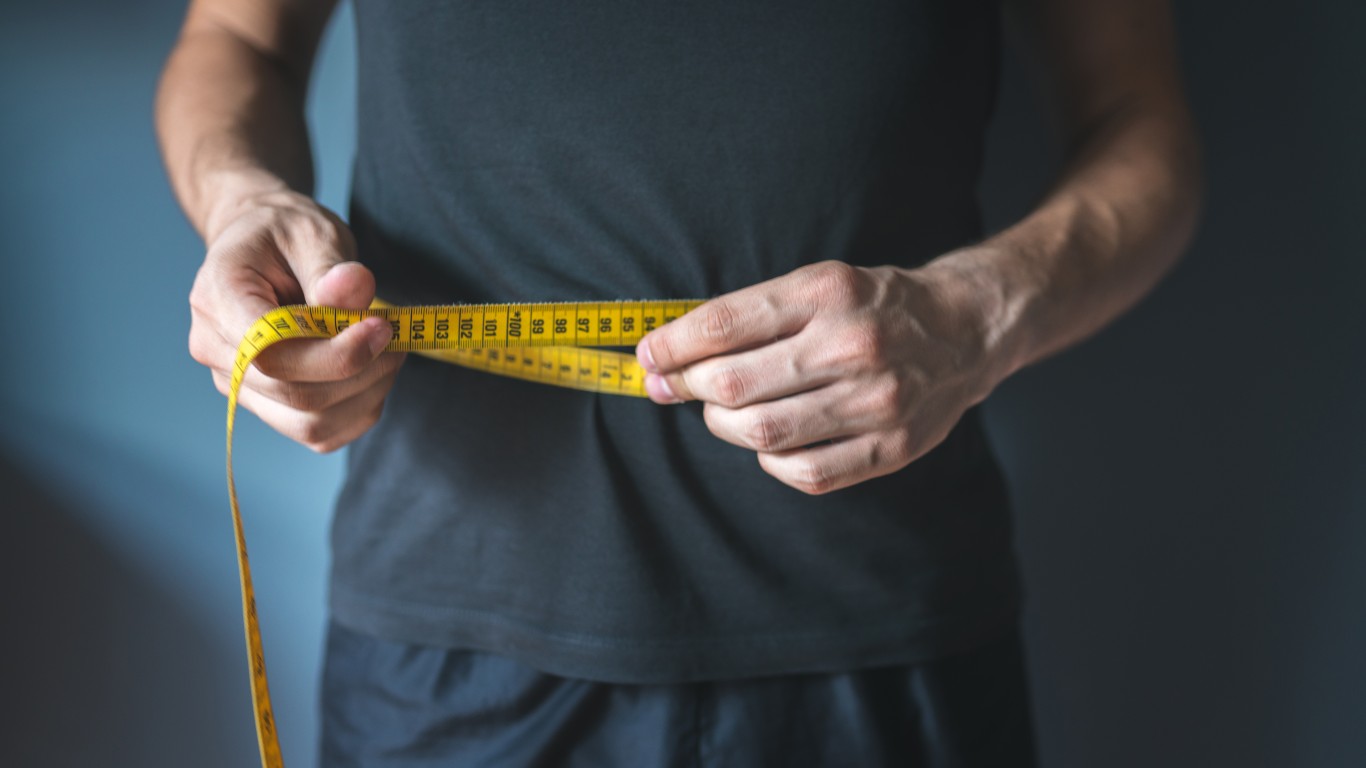
Weight-Loss Drugs Are Coming for Beer, Heineken Admits Privately
Heineken just told British pub owners that a blockbuster class of drugs threatens the very ritual of buying a round, and its own financial data makes the warning harder to dismiss than the industry would like.

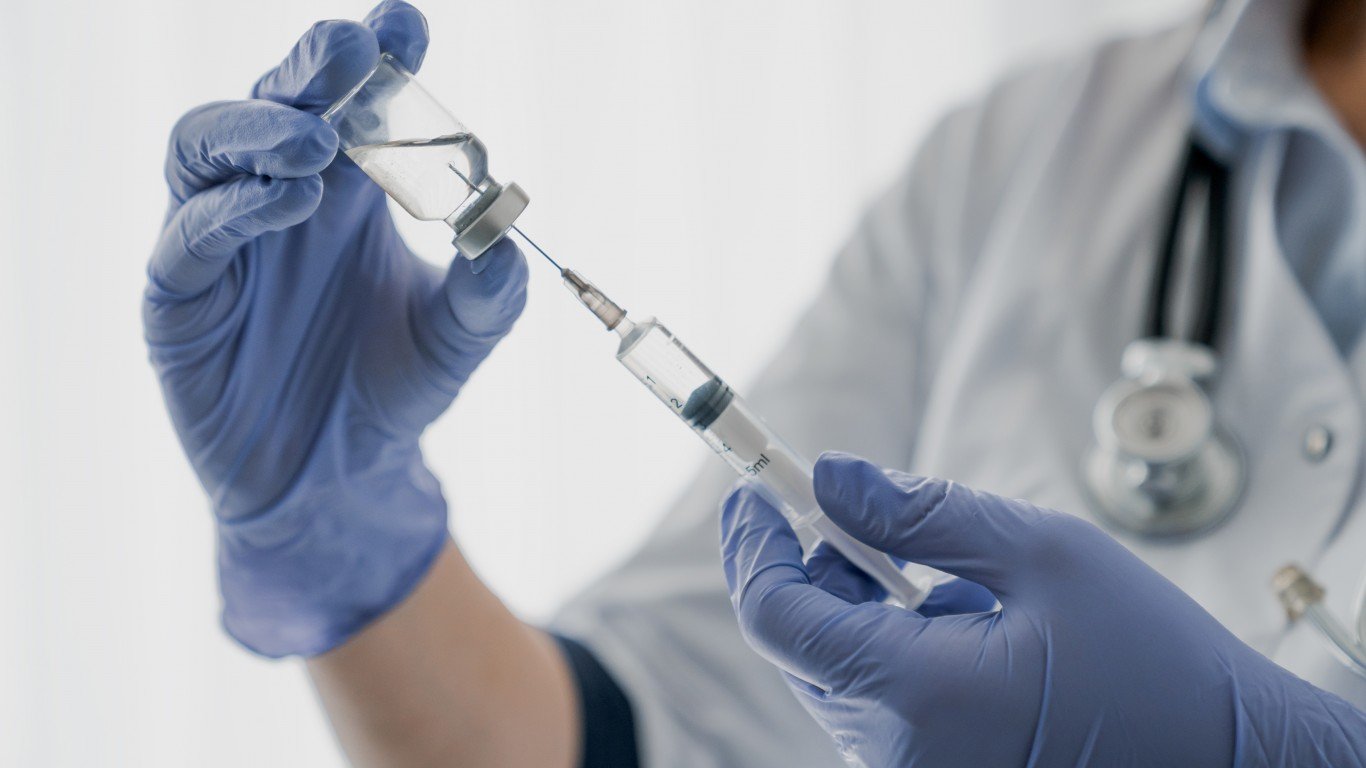
Heineken, the world’s second-largest beer maker, has told British pubs and bars to adapt to the boom in GLP-1 weight-loss drugs “or risk losing customers and revenue.” Reuters saw the presentation, which Heineken gave to its UK hospitality customers in October 2026, and reported it on Friday, October 23.
Heineken confirmed the warning on the record. That makes it a rare admission from a major alcohol maker that the medicines threaten beer, and it comes from a company that owns more than 2,000 pubs in Britain.
Heineken N.V.’s US-traded ADR fell 1.30% to $43.31, Anheuser-Busch InBev (NYSE:BUD | BUD Price Prediction) lost 1.44% to $84.26, Molson Coors (NYSE:TAP) fell 1.10% to $41.21, and Constellation Brands (NYSE:STZ) slipped 0.22% to $138.68.
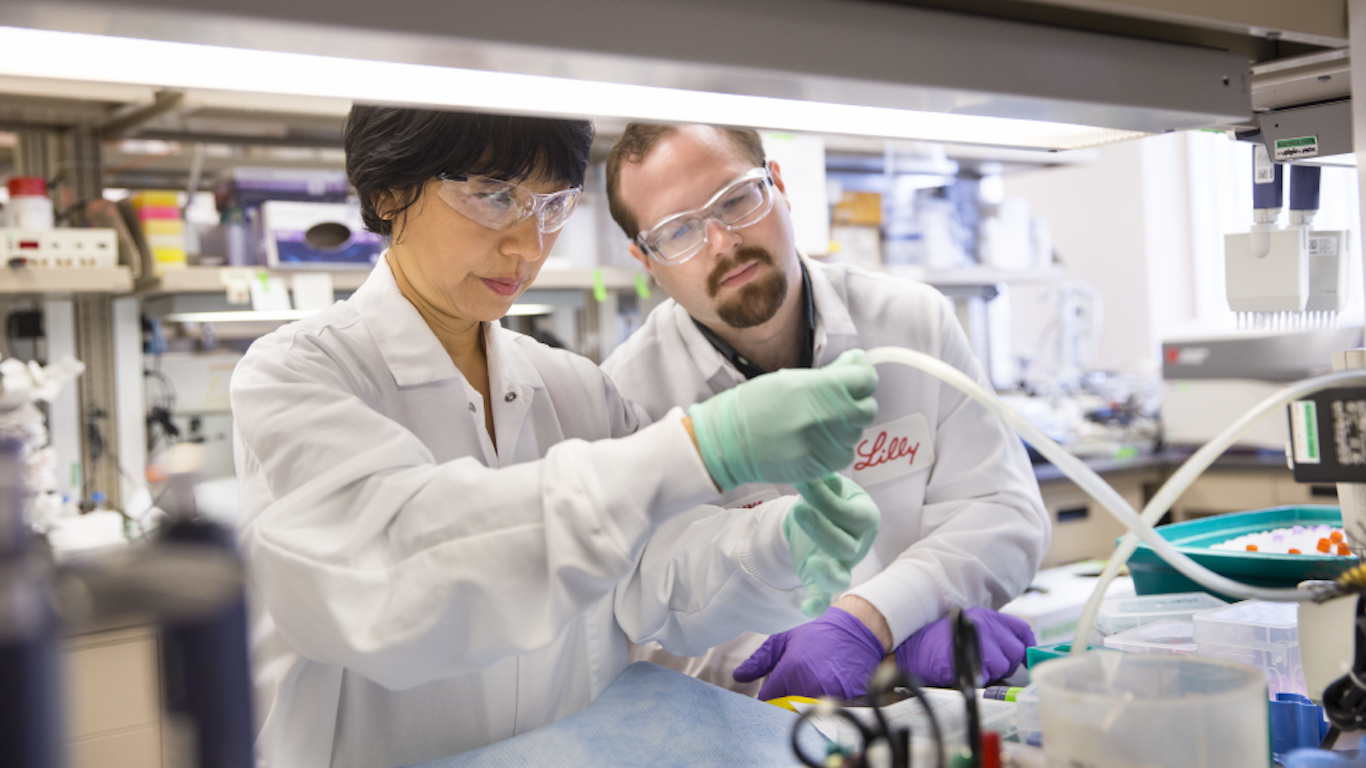
Eli Lilly (NYSE:LLY) fell 2.54% to $1,273.46, and Novo Nordisk (NYSE:NVO) fell 0.96% to $39.05 on the day of the Heineken N.V. report. Brewers and drug makers fell together, so the price moves did not show a clear reaction.
What Heineken Told Pubs, and What It Left Out
The presentation says drugs such as Novo’s Ozempic and Wegovy “could reduce the desire to drink alcohol” and warns that “traditional multi-pint drinking occasions could become harder to sustain.” It tells venues to promote half-pints and low- and no-alcohol drinks and to serve drinks with small plates of food.
A spokesperson said, “We see some changes in consumption behavior among (GLP-1) users,” but Heineken has not said the drugs reduced its beer sales. Its own results have held up. In the first half of 2026, total volume rose 1.6%, consolidated volume rose 0.4%, and operating profit rose 6.7%. Heineken N.V. also kept its 2026 outlook for operating profit growth of 2% to 6%.
Why the Pub Round Is the Weak Spot
A drinker who feels full usually stops before the third or fourth pint, so the multi-pint round is the most exposed format. Heineken UK says beer generated nearly £14 billion in British pubs, bars and restaurants in the year to February 2026. Heineken UK also says less than £300 million of that came from no- and low-alcohol beer. Switching pints for half-pints and alcohol-free drinks can keep customers coming in, but each visit likely brings in less money.
US data, gathered separately from the UK presentation, shows the same pattern. JPMorgan estimates about 10 million Americans took drugs like Ozempic and Wegovy in 2025. Circana found, against Doukeris’s prediction, that after two years on the medication, households with a user spent about 7% less per month on alcohol and 13.5% less on beer.
Brewers Turned Cautious as Drug Stocks Split
In 2023, AB InBev CEO Michel Doukeris, whose view Circana’s data challenges, said, “Two years down the road and that conversation is gone.” His company’s annual report, released February 12, 2026, named Ozempic, Wegovy and Mounjaro as risks to consumer behavior.
AB InBev’s 2025 volumes fell 2.3%. Even so, its shares are up 33.51% year to date, valuing the company at $166.47 billion. Investors are paying for a better product mix, including 27% growth in no-alcohol revenue in the first quarter.


The same demand has produced opposite results for the drug makers. Lilly is up 56.08% over the past year and worth $1.14 trillion. Novo, worth $172.38 billion, is down 19.58% year to date and plans to cut Wegovy’s list price by about 50% on January 1, 2027.
What GLP-1 Drugs Mean for Beer Stock Valuations
The bull case rests on pricing power, because AB InBev has kept growing earnings even as volume fell, by selling premium and alcohol-free beer. The bear case is that the drugs keep getting easier to get. Lilly now sells a pill, and Medicare covers obesity treatment at a $50 monthly copay.
At these prices, I think beer stocks carry more risk than their valuations reflect. AB InBev’s rally assumes the volume fall stays manageable, and a shrinking pub round makes that harder. Lilly is better positioned in this shift, because it is gaining share in the drug market that is cutting into drinking.
Heineken N.V.’s third-quarter trading update on October 28 is the first test and may bring new volume data, and AB InBev reports on October 29, so if its North America volumes fall again after a 3.2% drop in the first quarter, that supports the bear case.
Contact [email protected] for any questions or corrections.
Omor Ibne Ehsan is a writer at 24/7 Wall St. He is a self-taught investor with a focus on growth, cyclical, and dividend equities that have strong fundamentals, value, and long-term potential. He also has an interest in high-risk, high-reward investments such as penny stocks.