Only 5 of 60 Analysts Still Say Sell Tesla, the Fewest in 11 Years
Wall Street bears are abandoning Tesla at a historic pace, and the reason has almost nothing to do with how many cars the company sells. The catalyst dividing analysts sits at the center of a potential deal that has no…

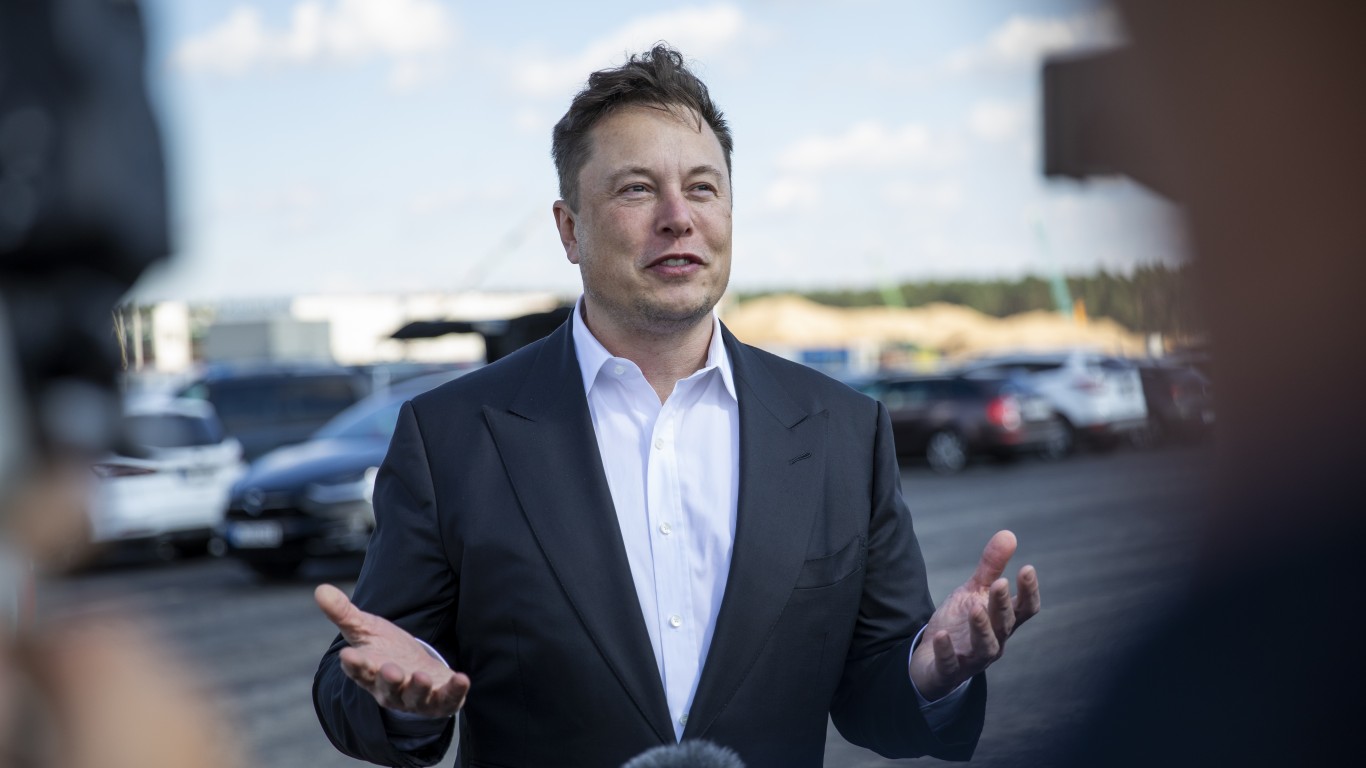
Only 5 of the 60 analysts in a widely followed survey now rate Tesla (NASDAQ:TSLA | TSLA Price Prediction) a sell. That is the lowest share of sell ratings in more than 11 years; in January, 15 of 71 analysts rated it a sell.
On October 26, 2026, the shares closed at $391.62, up 5.21%, after reaching $397.27 during the session. That close beat the $386.47 finish on October 21 and was the highest since at least August 17.
Tesla is still down 12.92% in 2026, while the S&P 500 is up 12%. The bears are leaving a stock that has lagged the market, and the reason most cite has little to do with selling more cars.

Sell ratings now make up 8.3% of coverage, down from 21% in January. That leaves very few skeptics who could still turn bullish.
Merger Speculation Is Emptying Tesla’s Sell Side
BNP Paribas analyst James Picariello moved from sell to neutral and raised his target to $420 from $266. He said the change “exclusively” reflects better odds that SpaceX (NASDAQ:SPCX) buys Tesla. CLSA also moved to hold.
Some of the fall came without anyone changing their mind. Longtime skeptic Colin Langan left Wells Fargo, and the bank suspended coverage of Tesla and 17 other auto companies.
Barclays analyst Dan Levy upgraded the stock to Overweight and raised his target to $450 from $370. His old rating was Equal Weight, which is a hold, so this upgrade did not remove a sell. He wrote that “the anticipated merger is now a key part of the Tesla bull case.”
A Merger With No Signature and a Conflicted Controller
Nothing has been agreed. On Tesla’s October 21 earnings call, CEO Elon Musk said he had already covered the topic, “tap-dancing through a minefield,” and the company would not take questions on it. On SpaceX’s call, he said both boards had formed special committees to study a merger, but that it would be “an exaggeration” to say a deal will definitely happen.
Barclays expects an all-stock deal, meaning Tesla holders would be paid in SpaceX shares. It would need the support of more than half of each company’s total voting power, which Barclays called a “high hurdle.” Musk holds 82% of SpaceX’s voting power and could control about 53% of the combined company at Barclays’ target, so he sits on both sides of the exchange ratio (how many SpaceX shares each Tesla share would get).
Dan Ives of Yorkville Ives & Co. puts the chance of a merger at 90% and says the price “has to be between $500 and $550” a share. Prediction markets see only a 13% chance of an official announcement by December 31 and 51.5% by June 30, 2027.
What a Near-Empty Sell Side Leaves for Bulls
When analysts upgrade a stock from sell, it brings in new buyers, and few sell ratings remain to upgrade. The consensus target of $407.22 is only 3.98% above the October 26 close, and in one 44-analyst count, hold is still the most common rating with 21.
The energy business does give the bulls something solid. Tesla deployed 13.7 GWh of storage in the third quarter at a 33.1% gross margin, and Barclays expects shipments to grow more than 50%. But GAAP net income fell 43% to $787 million, and free cash flow dropped to $1.53 billion from $3.99 billion a year earlier.

Should You Buy or Sell TSLA Stock
The risks outweigh the merger case. At 408 times trailing earnings and a $1.548 trillion market value, Tesla is trading as a stand-in for a deal that has no terms, no signed agreement, and a controlling shareholder who sets the price.
If the special committees stall, the stock loses the main reason former bears gave for leaving. The energy business alone cannot support that valuation.
A close back below the October 23 level of $372.22 would show that the upgrade rally has already faded.
Contact [email protected] for any questions or corrections.
Omor Ibne Ehsan is a writer at 24/7 Wall St. He is a self-taught investor with a focus on growth, cyclical, and dividend equities that have strong fundamentals, value, and long-term potential. He also has an interest in high-risk, high-reward investments such as penny stocks.