Wally Amos Turned Famous Amos Into a Household Name. Then He Lost the Right to Sell Cookies Under His Own Name and Started Over as ‘Uncle Noname’
Wally Amos built a cookie empire on his own face and name, then watched strangers profit from both for decades. What he signed away in a moment of crisis is a warning every founder should read before taking a single…

In 1994, Wally Amos summed up the worst business loss of his life in one sentence: “Wally Amos lost Famous Amos. Nobody took it away from me. But I know that adversity is just opportunity in disguise.” At the time he was running his new venture, the Uncle Noname Cookie Co. The name sounded like a joke. But it described his actual legal position. His face had been on bags of Famous Amos cookies across the country, but he no longer owned the business and had lost the right to use his name and image to sell cookies.
His story is the clearest case in American business. It involves a founder who built something valuable on his own identity and then sold it off in pieces. Anyone who puts their own name on a company should study it.
From Talent Agent to Cookie Mogul in Seven Years
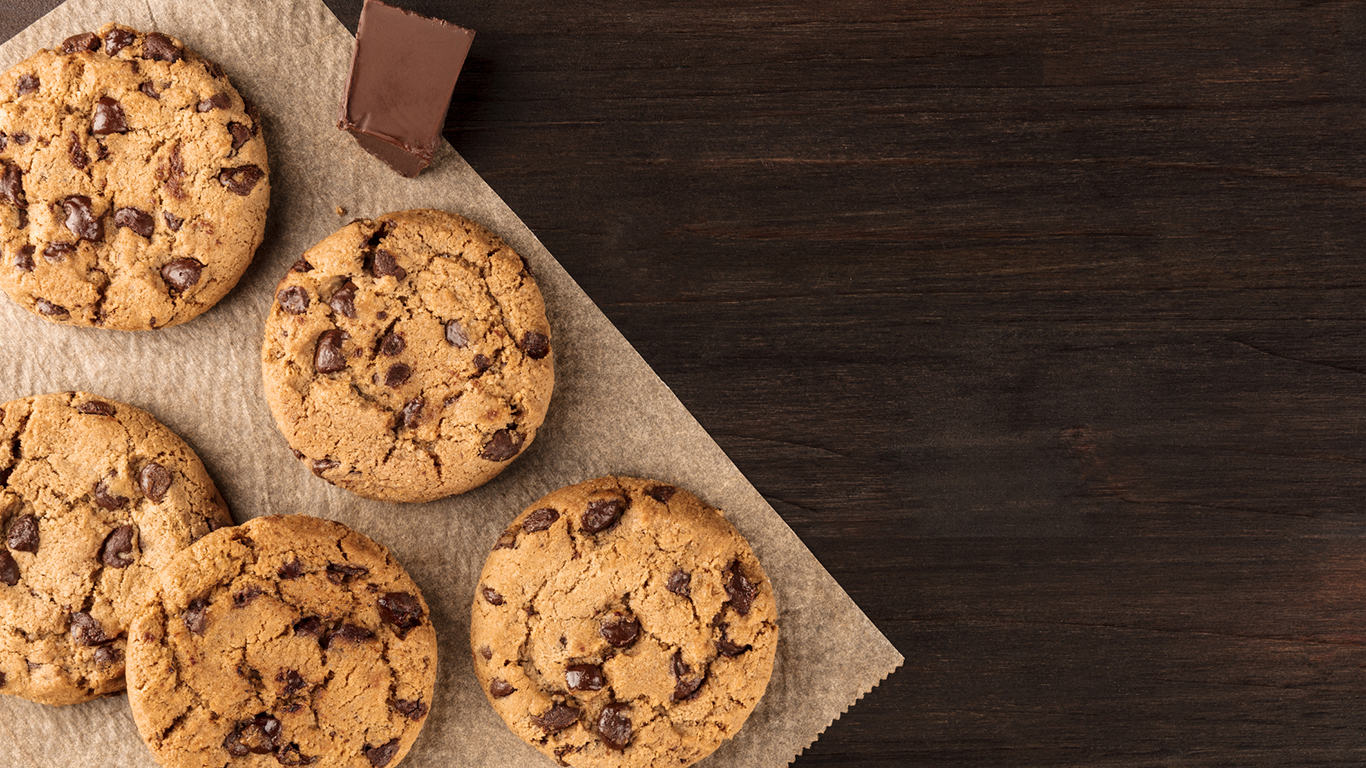
Amos was a talent agent at the William Morris Agency, and he sent his home-baked chocolate chip cookies to celebrities to win their attention. On March 10, 1975, supported by $25,000 from Marvin Gaye and Helen Reddy, he opened a store at 7181 Sunset Boulevard in Hollywood. His family later called it “the world’s first cookie store.”
The business grew quickly. The store sold $300,000 worth of cookies in its first year, and the company’s revenue reached $12 million by 1982. The brand moved into supermarkets, and Amos himself, with his Panama hat and kazoo, was the marketing.
How Each Rescue Cost Him More Control
Sales slowed by 1984. In March 1985, Amos sold a 51% stake to Bass Brothers Enterprises. That year the company lost $300,000 as revenue fell to $10 million. Amos said each new group of investors took a bigger share of the equity and then left before the company recovered.
By 1988, losses had reached $2.5 million, and the Shansby Group bought Famous Amos for $3 million. Amos stayed on for a year as a paid spokesman and then quit in frustration, losing the use of his name and his image when he left.
Starting Over as Uncle Noname Came at a Steep Price
Amos launched Uncle Noname in 1992. Debt and problems with the contract manufacturers who baked his cookies dragged the company down, and it filed for bankruptcy in 1996. At the suggestion of his business partner, Lou Avignone, it dropped cookies for muffins and became Uncle Wally’s Muffin Co., based in Shirley, New York.
Meanwhile the Famous Amos name kept making money for other people. Keebler bought it in 1998, and it was part of a $1.3 billion package of cookie and snack brands that Ferrero bought in 2019. Amos argued that the product had changed: “You can’t compare a machine-made cookie with a handmade cookie. It’s like comparing a Rolls Royce with a Volkswagen.” He died in Honolulu on August 13, 2024, at 88, and the brand still carries his name.
What You Actually Own When Investors Come In
Amos’s mistake was treating his name as part of himself when, legally, it had become a company asset. Once his name was the trademark, it belonged to whoever controlled the company. Selling 51% in a crisis gave up that control, and every later sale passed the name along with everything else.
That lesson reaches well beyond cookie bakers. It applies today to the consultant with a firm named after herself, the restaurant owner, the online seller whose face is the brand. Before you take outside money or sell, check four things:
- Who holds the trademark. One option is to keep your name in a separate entity you control and license it to the operating company. Then a sale transfers the license, and you keep the name.
- Name and likeness clauses. Look for broad language that hands over all intellectual property, including your personal identity.
- Noncompete scope. Know which product categories and which years you are giving up.
- Control thresholds. A majority stake sold in an emergency determines who owns your name later.
Before signing a term sheet, find the definition of intellectual property. If your name appears there without a carve-out, you are in the same position Amos was.
Contact [email protected] for any questions or corrections.
Jake has been been working in financial media for almost 15 years. He focuses on all things personal finance for 24/7 Wall St. with high hopes to educate and entertain. Most recently, Jake spent 12 years working various roles at The Motley Fool. He started copy editing fool.com content, worked on premium and marketing campaigns, and helped launch The Ascent, a personal finance brand.
His work has been featured on platforms like MSN, Yahoo Finance, USA Today, and more. He's written about credit cards, social security, ETFs, savings accounts, and just about anything else you can imagine when thinking about money. Jake love to cook, play golf, and tell people he's never had a cavity. (It's true!)