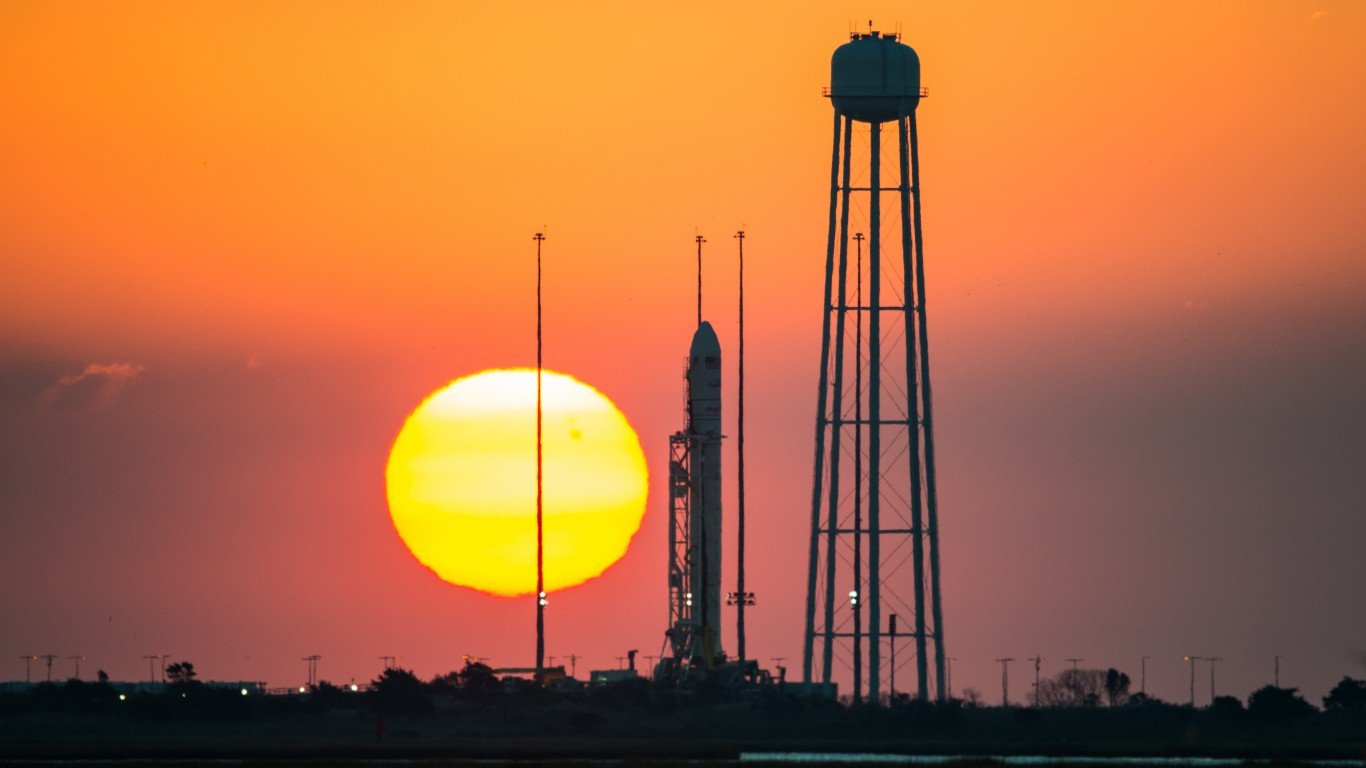
SpaceX Rises 4% as Tech Stocks Rebound From Post-Election Rout; AST SpaceMobile Sinks 8%, Rocket Lab Gains 2%
After a brutal midterm selloff, SpaceX is clawing back ground while one space rival keeps sliding. Between Washington scrutiny, a looming Tesla merger vote, and a record-high cost to insure its debt, the bounce faces real tests.

This post may contain links from our sponsors and affiliates, and Flywheel Publishing may receive compensation for actions taken through them.
Tech stocks are recovering ground after the post-election rout, and SpaceX (NASDAQ:SPCX | SPCX Price Prediction) is riding the bounce. SpaceX stock trades at $128.92, up 4%. That gain cuts a steep slide that has the stock down 25% over the past month.
The midterm results hit SpaceX hard, as Democrats captured both chambers of Congress and won the Texas governor’s office. On November 5, SpaceX extended its losses as the results obscured the company’s data center and merger outlook. A technical bounce or seller exhaustion after that brutal stretch may be part of the rebound, since Bespoke Investment Group flagged SpaceX on X as one of five mega-caps it called “extreme oversold.”
Jobs Data and a Rotation Into Growth Lift SpaceX
October’s jobs report, released November 6, gave the rebound support as the U.S. added 165,000 jobs, beating expectations. The U.S. unemployment rate ticked down to 4.1%. For SpaceX, the stronger data adds support to a bounce driven by broad risk appetite.
Money is rotating out of defensive and value names and back into tech, a shift that favors SpaceX. The Invesco QQQ Trust (NASDAQ:QQQ) is up 1%. Meanwhile, the SPDR Dow Jones Industrial Average ETF is down 0.9%.
Washington and a Possible Merger Hang Over SpaceX
Democratic control of Congress and the Texas governor’s office could bring more oversight of SpaceX, which runs its Starbase site in Texas. The Federal Aviation Administration (FAA) has announced an environmental impact review of Starship launch and landing operations at Starbase, a process that could extend approval timelines.
SpaceX’s work for NASA, the Defense Department and commercial operators supports demand no matter which party controls Congress. Starlink ended Q3 2026 with 13.6 million consumer subscribers. The company’s Super Intelligence segment carries 1.7 gigawatts of nameplate compute capacity.
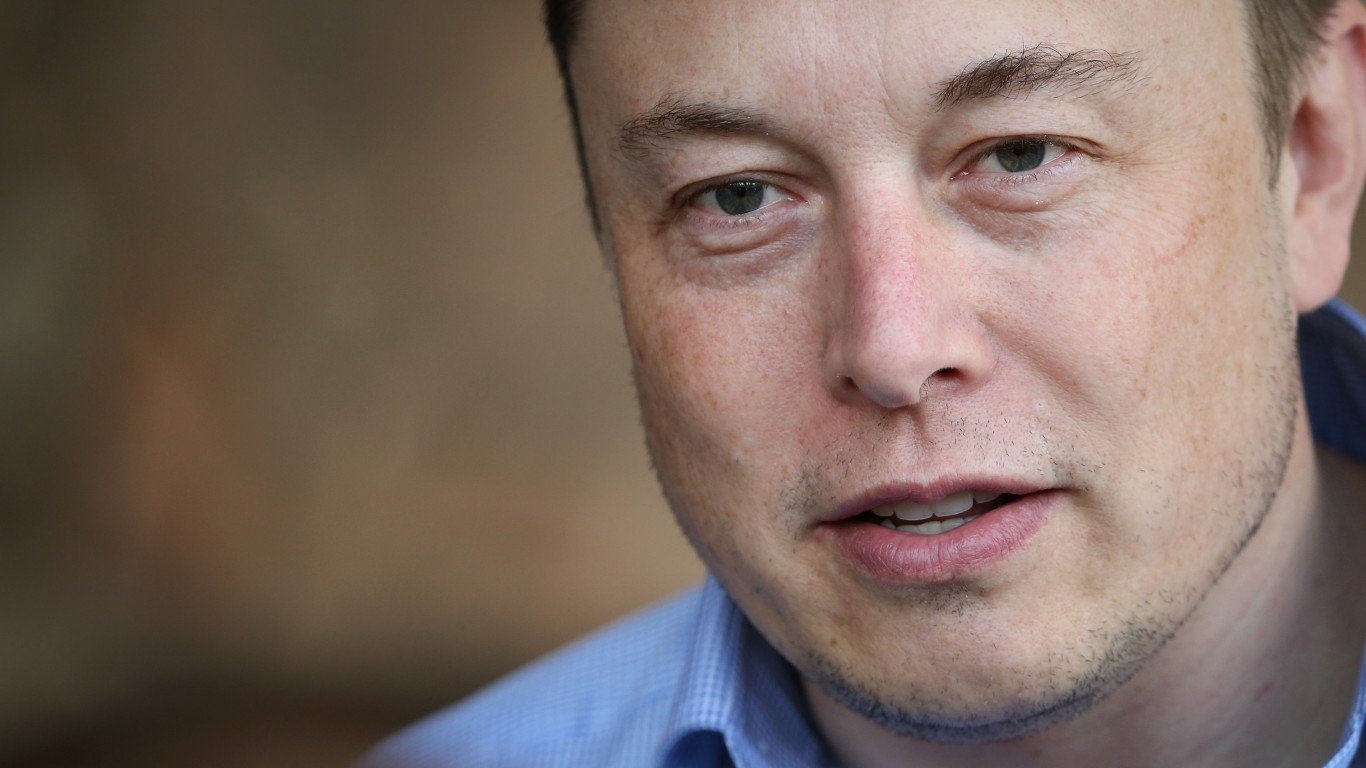
On SpaceX’s October 20 earnings call, Tesla (NASDAQ:TSLA) CEO Elon Musk stated that a merger would need a 50% vote of all Tesla shares. Musk also described the idea positively: “I think it would be a good idea, but it’s really up to the special committees of both companies.” Barclays estimates Musk could hold 56% of the voting power in a combined SpaceX-Tesla. Tesla stock is at $348.79, up 1%.
AST SpaceMobile and Rocket Lab Split on the Rebound
Space stocks are splitting on the rebound, and AST SpaceMobile (NASDAQ:ASTS) is heading sharply the other way. AST SpaceMobile stock is at $27.76, down 8%. That drop cuts against SpaceX’s gain and adds to a slide that has the stock down 56% over the past month.
Gains at Rocket Lab (NASDAQ:RKLB) are more modest than SpaceX’s. Rocket Lab stock is at $46.71, up 2%. Over the past month, the stock is down 38%, a steeper decline than SpaceX’s over the same stretch.
How SpaceX’s Business Stands Apart From Space Peers
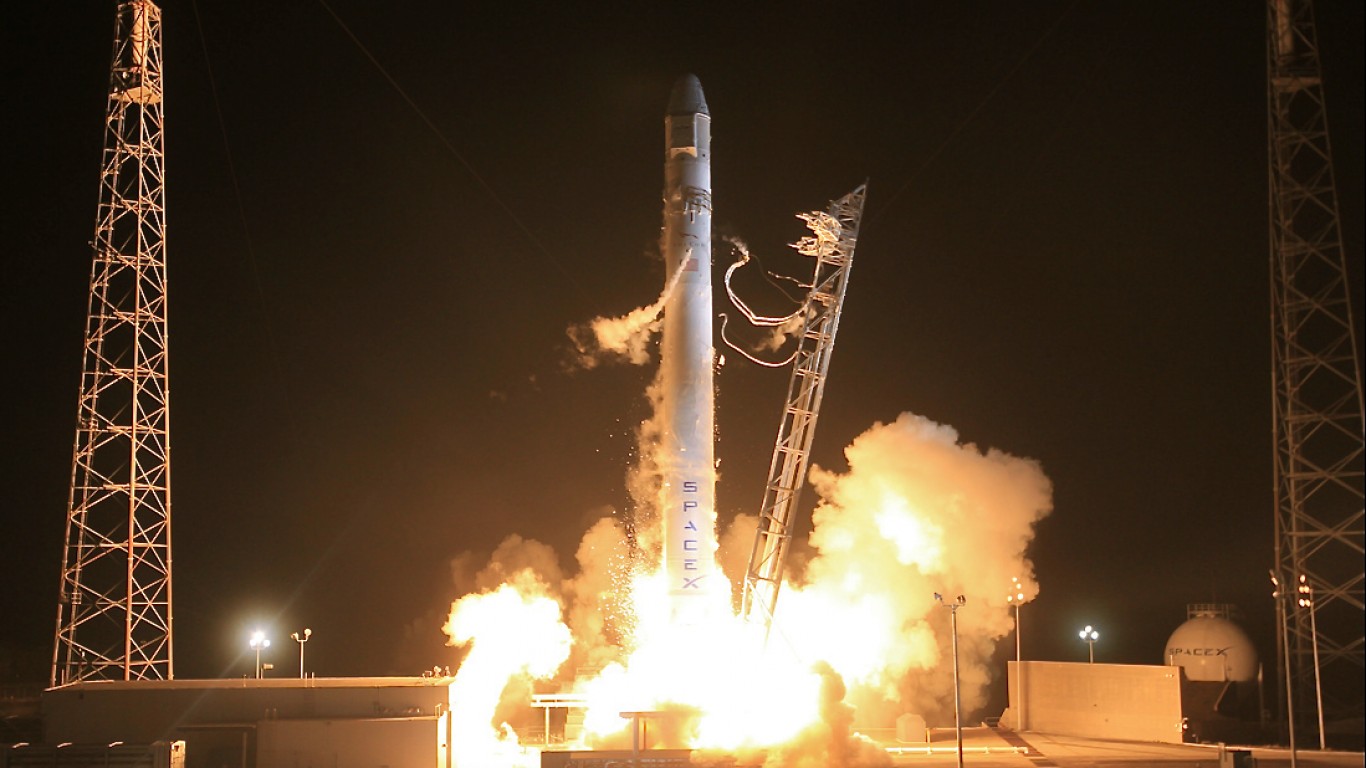
SpaceX operates three businesses at once: launch through its Falcon and Starship rockets, satellite broadband through Starlink, and an artificial intelligence (AI) arm built on Grok, Cursor and its COLOSSUS compute. The combination links SpaceX more closely to the AI trade than either peer, which helps the stock move with big tech names.
AST SpaceMobile is still pre-commercial, building a satellite network that connects ordinary smartphones directly through partnerships with mobile network operators. Between the two sits Rocket Lab, which pairs launch services with spacecraft manufacturing and a pending deal to add a satellite communications operator. Rocket Lab’s next leap depends on bringing its Neutron reusable rocket into service.
What Comes Next for SpaceX’s Rebound
SpaceX now faces the question of whether this rebound holds as the post-election selloff passes. Merger news matters too, since the special committees at both companies hadn’t agreed on terms as of the October 20 call and Musk noted there’s no guarantee they will. Regulatory headlines, including the FAA’s Starbase review, could also shape how quickly Starship’s flight pace grows.
Optimists can cite SpaceX’s subscriber growth, its compute expansion and a deep roster of government and commercial launch customers. On the risk side, the cost to insure SpaceX debt against default hit a record high during the selloff, while heavy capital spending and closer scrutiny from Washington remain open issues. A cautious investment approach could make sense while the SpaceX-Tesla merger question remains unresolved.
Contact [email protected] for any questions or corrections.
David Moadel is financial writer specializing in stocks, ETFs, options, precious metals, and Bitcoin. David has written well over 1,000 articles for leading online publications, helping investors understand markets, income strategies, and risk.His work has appeared in The Motley Fool, InvestorPlace, U.S. News & World Report, TipRanks, ValueWalk, Benzinga, Market Realist, TalkMarkets, Finmasters, 24/7 Wall St., and others.With a master’s degree in education, David has taught at the elementary, high school, and college levels. That teaching background shapes his writing style: clear, educational, and practical. David has also built a loyal social-media audience by providing trustworthy financial content on YouTube, X/Twitter, and StockTwits.