SpaceX Falls 5%, Breaks Below IPO Price as Lenders Reportedly Balk at Musk’s Orbital AI Chip Plans; Rocket Lab Drops 3%, AST SpaceMobile Dips

This post may contain links from our sponsors and affiliates, and Flywheel Publishing may receive compensation for actions taken through them.
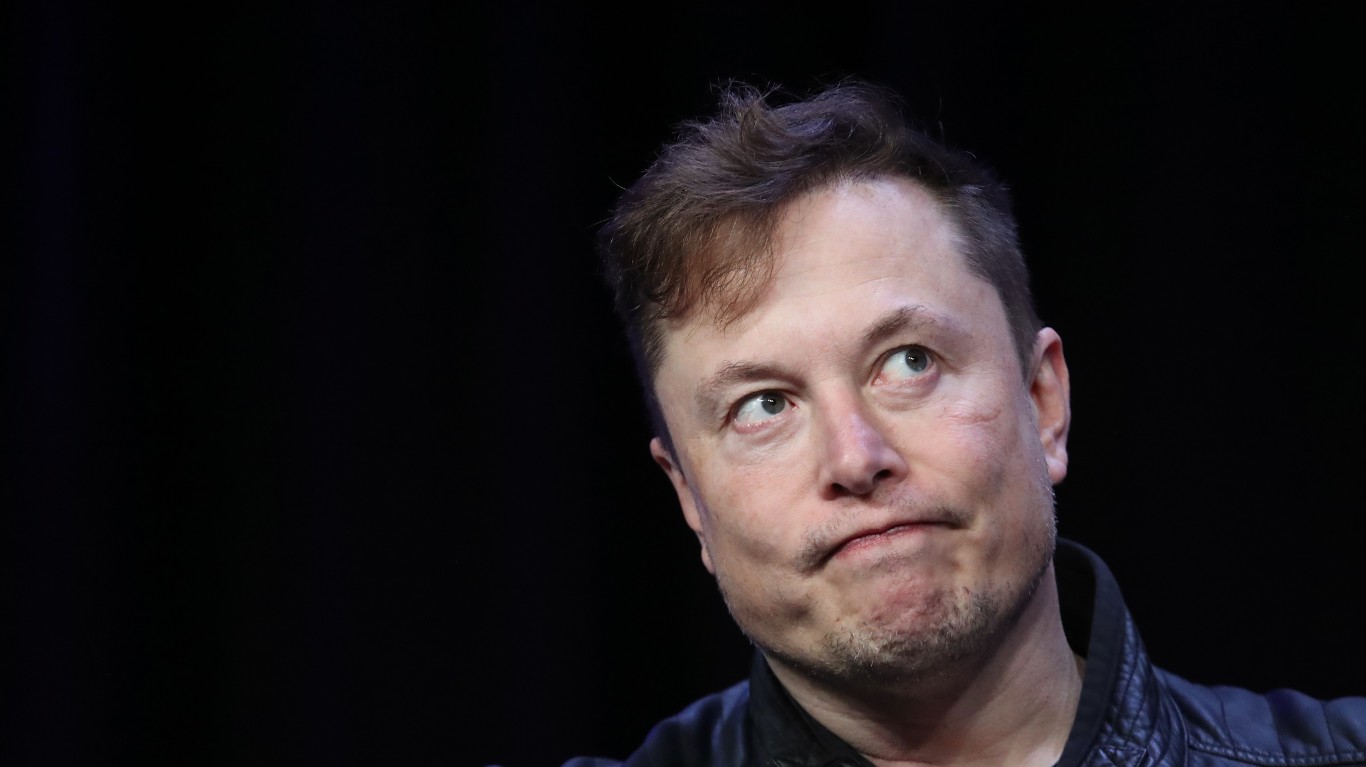
Debt-funded AI ambitions are now testing SpaceX (NASDAQ:SPCX | SPCX Price Prediction), which has slipped below its IPO price. SpaceX stock is at $131.16, down 5% in morning trading. That drop adds to an 11% decline over the past month.

Two reports on the financing behind SpaceX founder Elon Musk’s AI chip plans are fueling the selling. The broader AI sell-off continues as well, with the NASDAQ 100 down 1% and technology the weakest sector. Growth in the AI business underpins the company’s valuation, since SpaceX’s AI Solutions & Infrastructure segment revenue reached $7.60 billion[1] in Q3 2026, up 830% year over year (YoY).
Chip-Backed Debt Puts SpaceX Under Pressure
The Financial Times reported, citing people familiar with the matter, that lenders backing SpaceX’s debt package tried to restrict Musk from launching the NVIDIA (NASDAQ:NVDA) chips securing the financing into space. Lenders feared they couldn’t recover and sell the chips if SpaceX defaulted. It’s unclear whether those restrictions made it into the final agreement.
Bloomberg reported that SpaceX raised $32 billion[2] in bonds to buy AI chips as part of a $40 billion financing package that includes bank loans. That money funds a five-year lease of NVIDIA processors. Goldman Sachs (NYSE:GS) arranged the three-part deal with Apollo Global Management, and Pacific Investment Management Company (PIMCO) was among several large funds that bought into the SpaceX debt.
The largest tranche of SpaceX’s chip-backed notes paid a yield well above the average for U.S. investment-grade corporate bonds, according to Bloomberg. In plain terms, bond buyers charged SpaceX extra because of the deal’s unusual structure and the risks tied to AI infrastructure. Wall Street worries about debt-funded AI spending have been growing, including a warning from a major U.S. bank last week that heavy tech borrowing was straining demand for corporate bonds.
How Rocket Lab and AST SpaceMobile Compare With SpaceX
Rocket Lab (NASDAQ:RKLB) stock is at $49.67, down 3%. That decline is smaller than SpaceX’s. On November 9[3], the company reported record Q3 revenue of $267.83 million, up 72.7% YoY, alongside a record $3.57 billion backlog.
AST SpaceMobile (NASDAQ:ASTS) stock is at $25.18, down 1%. Measured against SpaceX and Rocket Lab, the AST SpaceMobile decline is the mildest of the three. Over a longer stretch, the stock is down 65% year to date (YTD). Management reaffirmed the company’s full-year 2026 revenue guidance of $150 million to $200 million[4] on November 9.
Launch and Satellites Versus SpaceX’s AI Ambitions
SpaceX runs a vertically integrated business that pairs Falcon and Starship launches with Starlink connectivity and a fast-growing AI arm built around Grok, Cursor and its COLOSSUS II compute buildout. That AI arm is what the chip-backed debt supports, which ties SpaceX more closely to the AI infrastructure trade (we profiled seven suppliers powering that buildout, from power to cooling, in a free report you can grab here) than any pure space company.
Rocket Lab is an end-to-end space company built on launch services through Electron and the upcoming Neutron, plus spacecraft and components for government and commercial customers. AST SpaceMobile builds BlueBird satellites that connect directly to standard smartphones and works through mobile network operators to reach customers. Each company has heavy capital needs of its own, but SpaceX’s debt questions center on AI hardware.
SpaceX Under Its IPO Price: Dip Opportunity or Warning Sign?
The bulls see a chance to own SpaceX below its offer price while its AI business grows rapidly and the company’s compute financing is now in place. Large bond funds still committed money to the deal, which suggests deep-pocketed institutions remain willing to back SpaceX’s plans.
On the other side, the bears argue that a yield premium that steep points to rising risk, especially if lenders worry about recovering collateral that could end up in orbit. Growing unease over debt-funded AI spending could keep SpaceX stock under pressure while the AI trade stays shaky.
SpaceX’s next test is whether the stock can reclaim its IPO price as more details of the chip financing terms emerge. Investors may want to track how the debate over SpaceX’s chip-backed debt resolves before drawing any firm conclusions.
Contact [email protected] for any questions or corrections.
David Moadel is financial writer specializing in stocks, ETFs, options, precious metals, and Bitcoin. David has written well over 1,000 articles for leading online publications, helping investors understand markets, income strategies, and risk. His work has appeared in 24/7 Wall St., The Motley Fool, InvestorPlace, U.S. News & World Report, TipRanks, ValueWalk, Benzinga, Market Realist, MarketScreener, TalkMarkets, Finmasters, and others. With a master’s degree in education, David has taught at the elementary, high school, and college levels. That teaching background shapes his writing style: clear, educational, and practical. David has also built a loyal social-media audience by providing trustworthy financial content on YouTube, X/Twitter, and StockTwits.