Taiwan Semiconductor Just Won Big in The Midterms
A brutal 26% monthly slide has shaken Asian chip stocks, yet one investor sees election week as a reason to hold tighter. What tax-code provision and AI demand keep him buying, and which risk does he refuse to ignore?

This post may contain links from our sponsors and affiliates, and Flywheel Publishing may receive compensation for actions taken through them.
Taiwan Semiconductor Manufacturing (NYSE:TSM | TSM Price Prediction) is drawing fresh attention after a sharp decline. The stock fell 10.2% on Thursday and 26.31% over the past month as a Nasdaq sell-off battered Asian chip stocks. The drop came even as the company’s fundamentals kept strengthening.
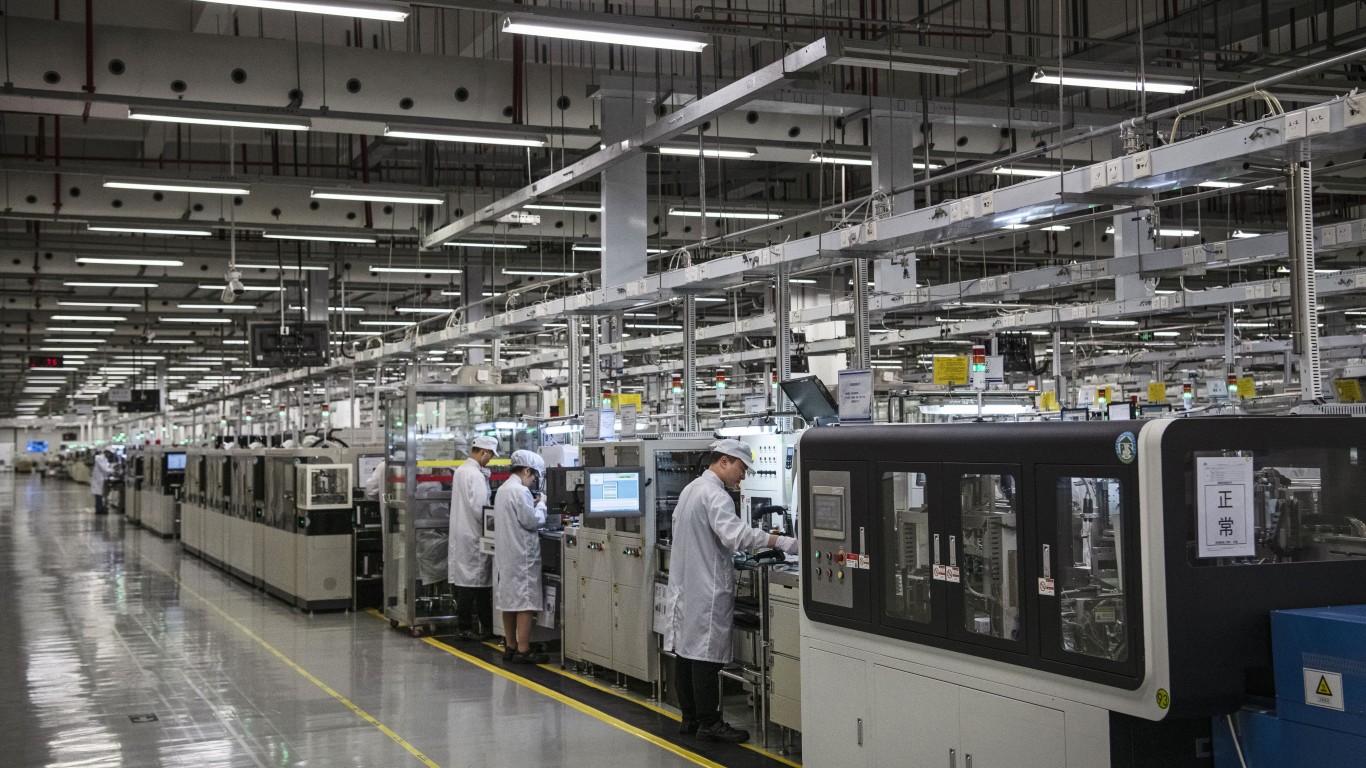
My thesis is simple: the world’s AI hardware runs through TSMC’s fabs. On the October earnings call, C.C. Wei said it himself: “All the AI players are working with TSMC.”
Why Election Week Strengthened My Position
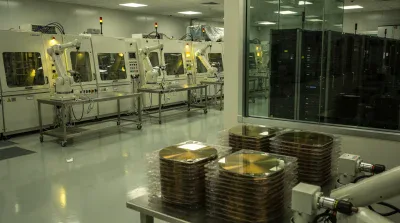
Americans just voted, and the policy that matters most to my holding is already written into the tax code. Section 48D grants a credit equal to 35% of qualified investment in U.S. advanced manufacturing facilities (26 U.S.C. § 48D(a)), and it covers projects that begin construction by December 31, 2026. Federal subsidies help fund TSMC’s U.S. expansion and take some geographic pressure off the company. Construction of the second Arizona fab is complete, and volume production should begin in the third quarter of 2027. TSMC has also sent teams to evaluate Texas. Lawmakers are buying too: three House members reported TSM purchases this year, the latest dated September 22, 2026.
Three Numbers That Keep Pulling Me Back
Growth keeps accelerating. Third-quarter revenue reached $46.72 billion, up 41.2% in dollar terms. Over the year, management lifted its 2026 outlook from close to 30% growth to approximately 44%.
Profits keep growing. Gross margin hit 66.4%, and ROE reached 45.5%, well above the company’s high-20s through-cycle target. EPS of $4.60 topped the $4.46 consensus, its third beat in the last three reported quarters with available estimates.
My income stream keeps rising. The latest ADR dividend of $1.107454 ran about 36% above the year-earlier payment. The forward yield sits near 1.25%, and management promises “a sustainable and steadily increasing cash dividend per share.”
Why Intel and GlobalFoundries Trail TSMC
Intel (NASDAQ:INTC) pays a dividend yield of 0, its foundry unit lost $1.85 billion in the third quarter, and it guides to a 38.0% non-GAAP gross margin for the fourth quarter. TSMC guides to 65%–67%.
GlobalFoundries (NASDAQ:GFS) grew revenue 12.5% last quarter at a record non-IFRS gross margin of 31.4%. TSMC buys silicon interposers from it.
Risk I Refuse to Ignore
Taiwan concentration can hurt this position. European auditors call cross-strait tensions “a source of persistent insecurity for the sector.” Diversification costs money: overseas fabs reduce gross margin by roughly 2%, expanding to 3%–4%, and 2026 capex runs $60 billion to $64 billion.
I am comfortable with that trade. Every U.S. fab reduces the geographic risk I worry about most, and CFO Wendell Huang expects “the increase in revenue will outpace the increase in CapEx.”
What Could Drive TSMC’s Next Leg of Growth
N2 capacity should more than double in 2027, and A14 volume production starts in 2028 with more customer activity than 2nm drew. Wei says “demand is higher than supply.” While that stays true, TSMC remains the company the AI expansion depends on, and the suppliers of power, cooling, and networking feeding those fabs’ output are a trade of their own (we covered seven of them in a free report on the AI infrastructure boom).
Contact [email protected] for any questions or corrections.
Alex Sirois is a financial writer with experience spanning both retail and institutional investing. He has written for InvestorPlace and held roles at BNY Mellon and Bernstein, giving him a perspective that bridges Main Street portfolios and Wall Street analysis.
Alex holds an MBA from George Washington University and has built his career across multiple industries, including e-commerce, education, and translation — a breadth of experience that informs how he breaks down complex financial topics for everyday investors. His writing is conversational, actionable, and grounded in long-term, buy-and-hold investing principles.
At 247 Wall St., Alex focuses on delivering analysis that is both accessible and useful, with a clear emphasis on helping readers make more informed decisions with their money.