AST SpaceMobile Is Building Its Own Reusable Rocket to Rely Less on SpaceX
AST SpaceMobile wants its own rocket, and Firefly is cashing in before a single engine fires. The deal could cost shareholders more than dilution, and the satellites that actually earn revenue still sit on the ground.

This post may contain links from our sponsors and affiliates, and Flywheel Publishing may receive compensation for actions taken through them.

Before the open on November 6, 2026, AST SpaceMobile (NASDAQ:ASTS) said it will build its own rocket, Blacklift, to launch its BlueBird satellites starting in late 2028. Firefly Aerospace (NASDAQ:FLY | FLY Price Prediction) will supply the engines.
Firefly last traded at $20.76, up 36.8%. AST fell to a new 52-week low of $27.58 and then turned higher to $32.33, up 7.05%.
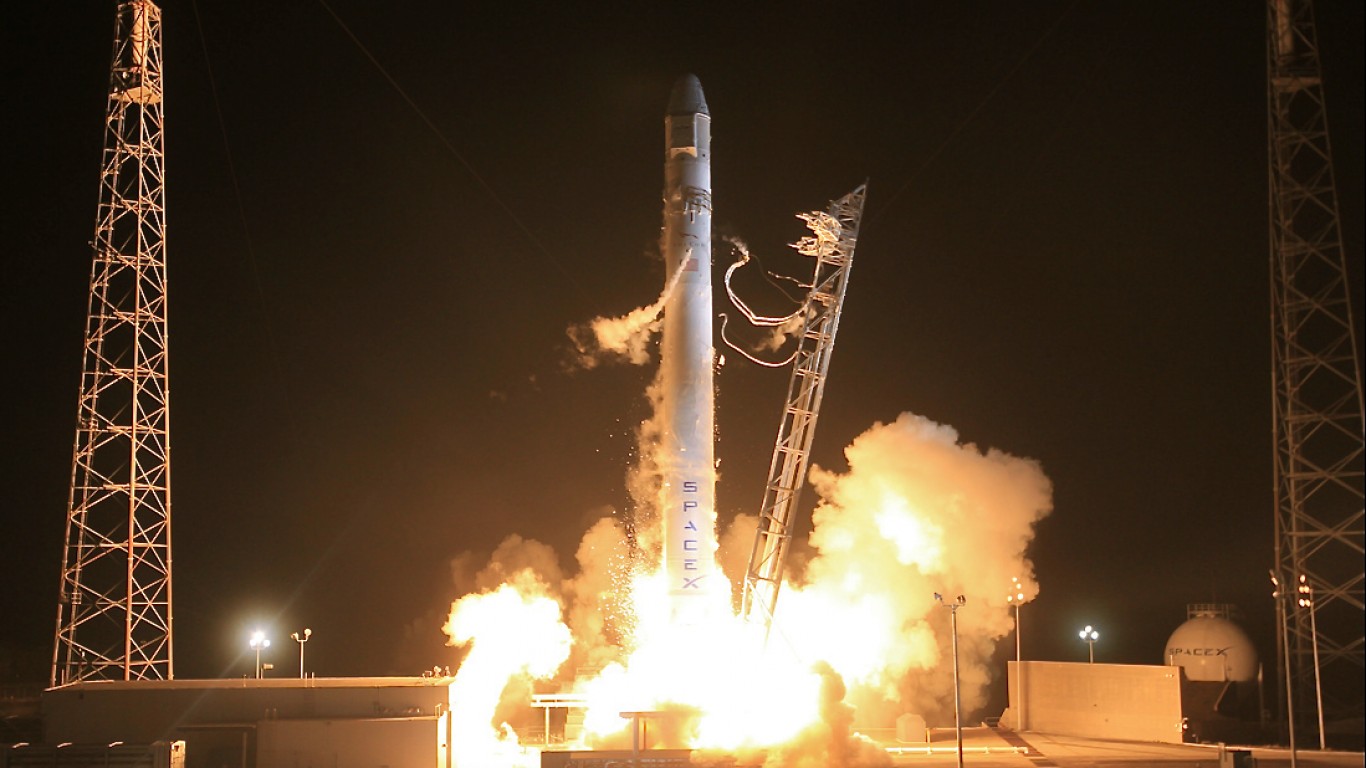
Launching its own rocket would let AST rely less on SpaceX (NASDAQ:SPCX). The cost is a capital-heavy rocket program at a company still working to get its satellites into orbit and earn revenue.
What AST Actually Committed To
AST says Blacklift is designed to be reused and to carry up to five BlueBirds per launch. The company’s headline calls it a 20-ton rocket but does not say whether that number refers to payload.
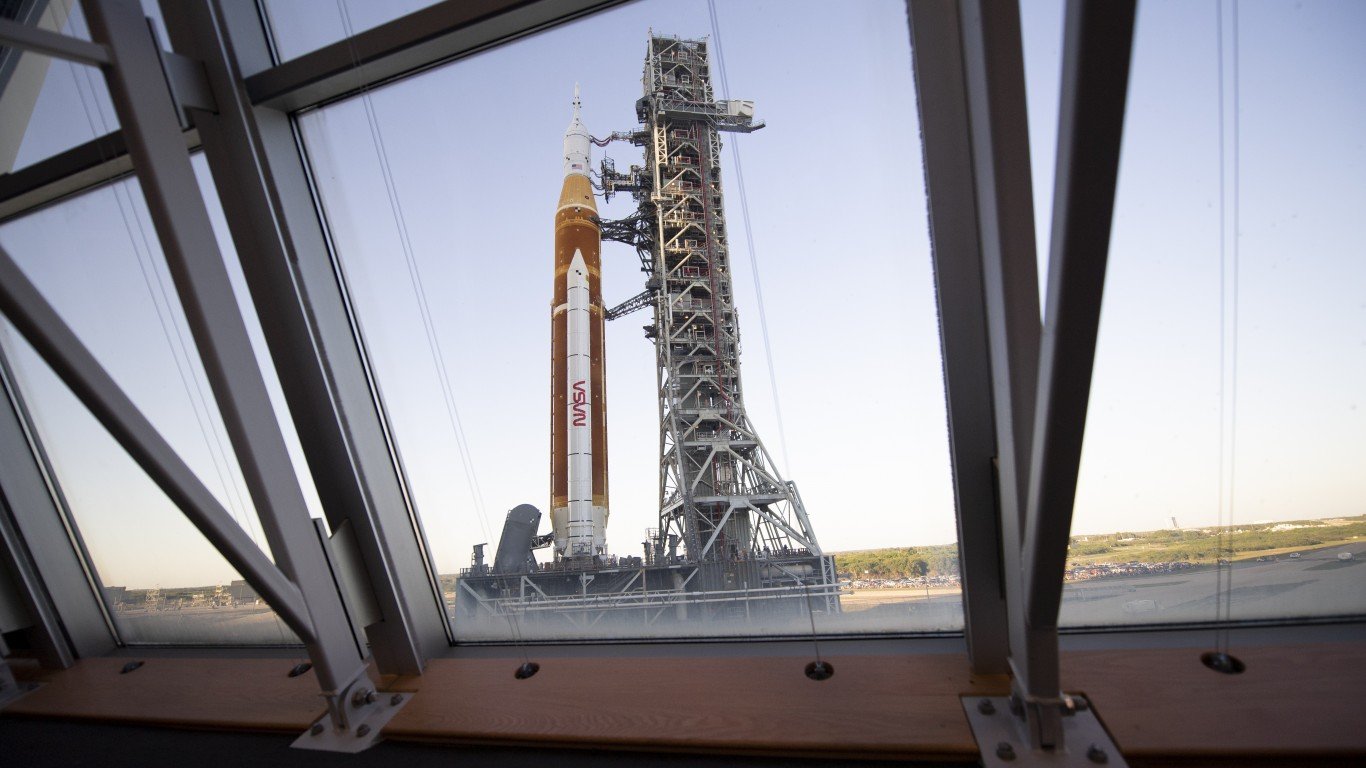
The rocket does not exist yet, and the late-2028 target is ambitious. AST plans to unveil it in New York on November 12.
AST gets a permanent license to build Firefly’s Miranda engine and Vira, its vacuum version, at a new U.S. engine plant. President Scott Wisniewski said Miranda lets AST “leapfrog the traditional five-to-ten-year development cycle.”
How AST Pays for Its Engines
Firefly Aerospace values the deal at more than $1.3 billion over three years. That covers 27 Miranda and nine Vira engines for AST’s first three rockets, plus the license and engineering support. Firefly keeps engine intellectual property.
The license costs about $800 million upfront: $400 million in cash plus 10 million to 14 million AST Class A shares. The share count depends on a forward volume-weighted average price, the stock’s average trading price over a future period weighted by volume. If AST’s stock is weaker during that period, Firefly gets more shares.
AST then pays $250 million for engines and $250 million for three years of engineering support. The shares come with lock-ups, but they still dilute current holders.
Why Firefly Posted Its Biggest Gain Since Its Debut
By daily closes, this was Firefly’s biggest gain since it began trading on August 7, 2025. It beat the 22.8% gain on December 19, 2025, and the 34.1% first-day rise above its IPO price.
The jump shows the deal’s size, which is worth about 37% of Firefly’s $3.48 billion market value and about 4.5 times its trailing revenue of $287.01 million.
Even after the jump, the stock sits about 54% below its $45 IPO price. Firefly reports on November 10 and will discuss the deal on a 5 p.m. ET call.

Where AST’s Rocket Plan Could Stall
AST has bought launches from SpaceX, India’s space agency, and Blue Origin. It still holds launch agreements covering more than 100 BlueBirds through 2027 and 2028. Blacklift would help AST rely less on those providers, and the release names no provider it plans to drop.
Rocket programs often slip. This one adds cash burn and dilution at a company that lost $230.91 million in the second quarter, and it could take attention away from putting satellites in orbit, which is the business that has to produce revenue.
Alphabet (NASDAQ:GOOG, NASDAQ:GOOGL) reported holding 8,943,486 AST shares as of September 30. That stake was worth about $289 million at the November 6 price, but the filing shows the position only as of that date.
Funding Questions Loom Ahead of AST’s Earnings Report
AST has pro forma liquidity above $3.7 billion to pay for this, and having its launch could lower costs over the long run. Its closer goal, though, is about 45 satellites in orbit by early 2027, and Blacklift does nothing for that timeline.
AST shareholders face execution risk, dilution and an unproven timeline, and none of it is likely to pay off before 2028. Firefly receives cash and AST stock whether or not Blacklift ever flies, which gives it a more direct financial benefit from the deal.
AST’s third-quarter report comes out after the close on November 9, and it should show how the company plans to fund the rocket. Investors may want to watch whether the stock holds above its $27.58 52-week low.
Contact [email protected] for any questions or corrections.
Omor Ibne Ehsan is a writer at 24/7 Wall St. He is a self-taught investor with a focus on growth, cyclical, and dividend equities that have strong fundamentals, value, and long-term potential. He also has an interest in high-risk, high-reward investments such as penny stocks.