A Record 1.28 Billion Barrels of Oil Are Stuck at Sea — and That Could Mean Higher Gas Prices
Crude prices are sliding, yet the oil itself is stuck on tankers far from any refinery. Shipping now swallows a startling share of every barrel's cost, and drivers may feel it before the relief arrives.

This post may contain links from our sponsors and affiliates, and Flywheel Publishing may receive compensation for actions taken through them.
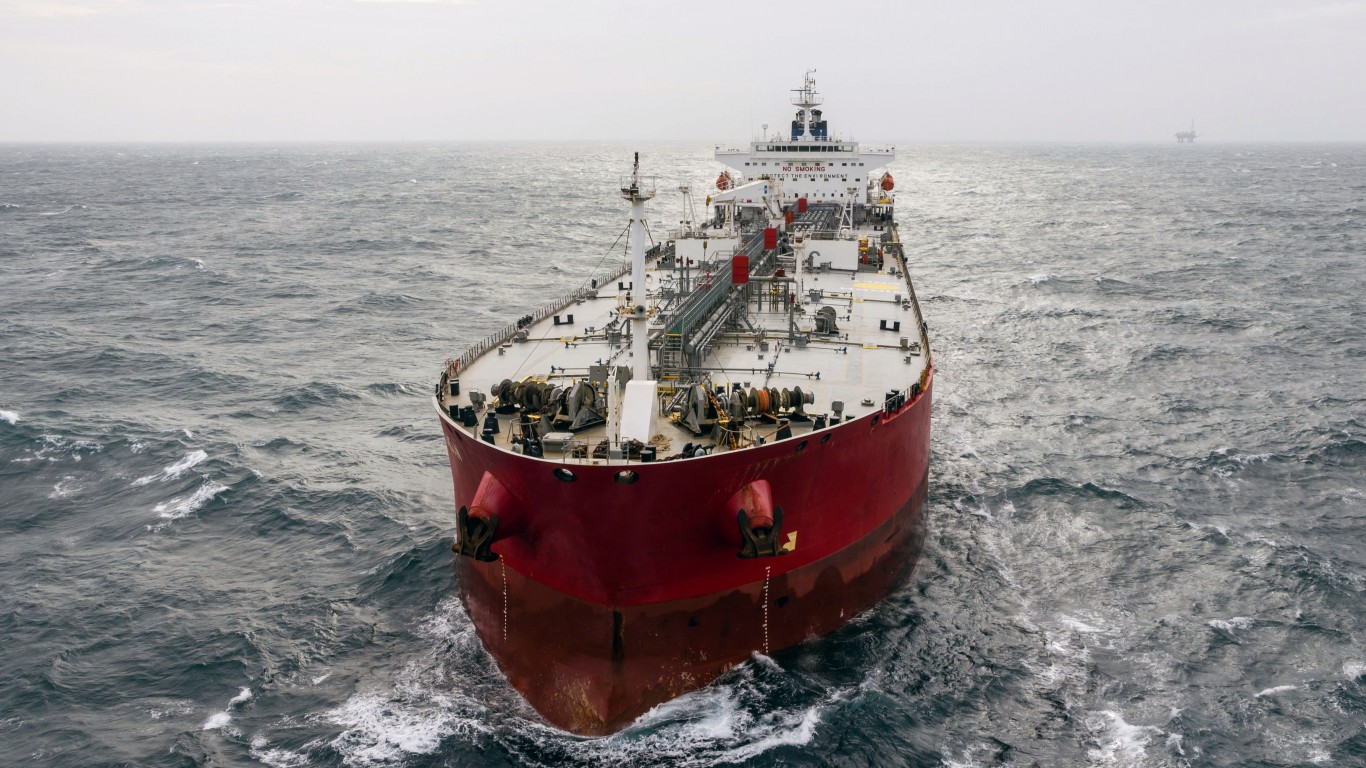
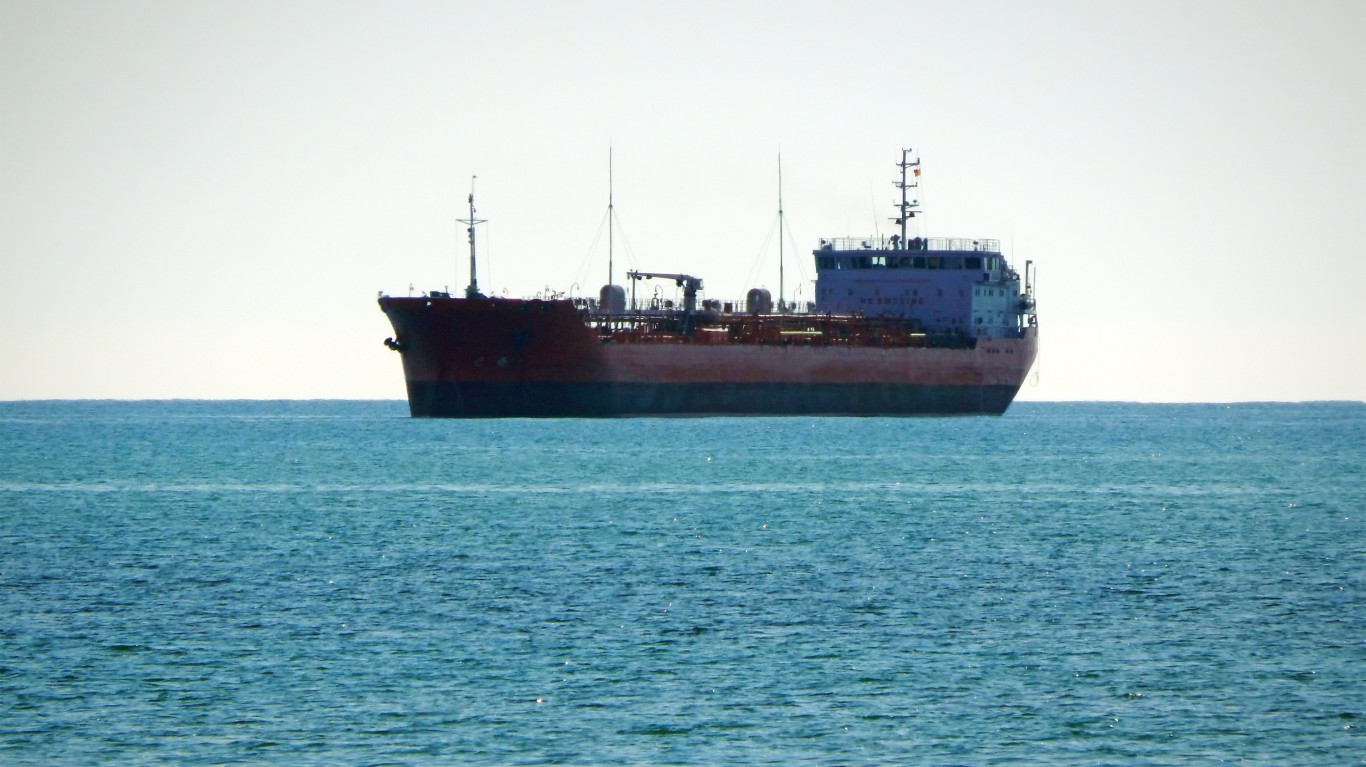
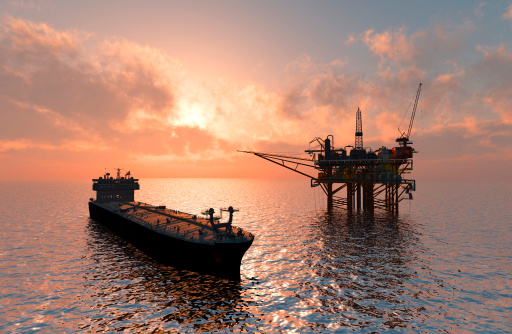
A record 1.28 billion barrels of crude oil are now sitting on board tankers, according to The Kobeissi Letter. That total climbed by 180 million barrels in just several weeks, about a 16% jump from the earlier 1.10 billion-barrel level. The oil exists. It simply hasn’t reached a refinery yet. For drivers paying $4.15 a gallon, that delay could matter more than any headline about recovering exports.
Why Oil Is Piling Up on the Water
The Strait of Hormuz carried nearly 20% of global oil supply before the military action that began on February 28. According to the Energy Information Administration (EIA), it was effectively closed for months after that, but Middle Eastern exports are now recovering through the strait and through alternative routes. The network carrying them is slower and more expensive than it was before.
Two forces are keeping barrels at sea. Importers that moved away from Middle Eastern suppliers are buying from more remote sources, so each ocean trip takes longer. Ship-to-ship transfers add more time. Reuters reported that those transfers were taking nearly 10 days in September, up from five to seven previously. When trips run longer, more oil is in transit at any given moment.
A record volume at sea points to supply that is late, and many of those cargoes are already committed to buyers. Refiners can only process the oil that has actually arrived at their docks.
Freight Now Takes a Huge Share of Each Barrel
Shipping has become expensive. Reuters reported that daily rates for very large crude carriers on Middle East-to-China routes reached $1.27 million per day in September. On November 2, ADNOC chief executive Sultan Al Jaber said shipping and logistics costs had climbed from less than 5% to more than 30% of the cost of a barrel. He also warned that nearly 1 billion barrels had been drawn from global stocks since the disruption began.
Crude benchmarks have fallen, which hides some of this cost. Brent, the global benchmark, settled at $107.03 on November 3. That is well below its $138.21 peak on April 7 but far above the $61.98 it fetched on January 2. West Texas Intermediate, the U.S. benchmark, closed at $99.64 that day, down from $110.01 on October 19.
What It Means for Your Gas Tank and Grocery Bill
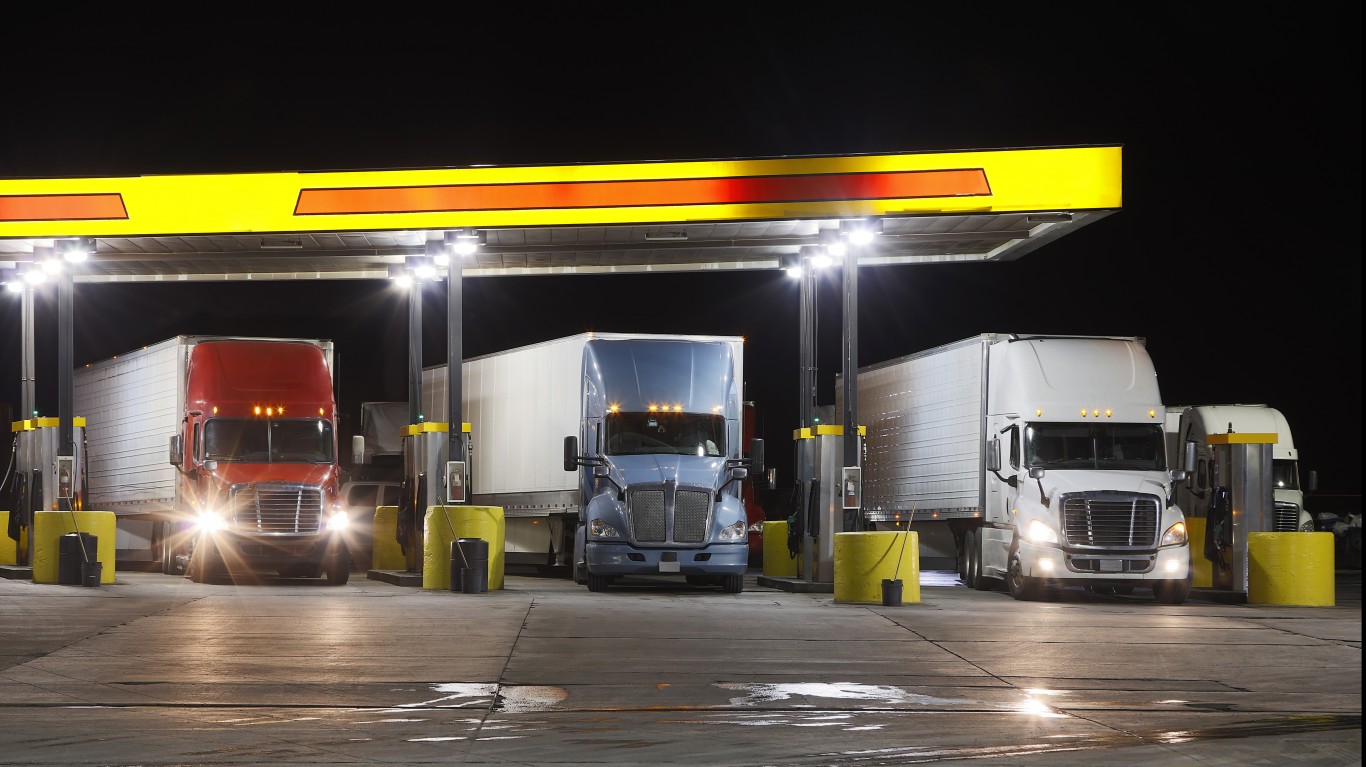
Pump prices have followed crude lower. The national average fell from $4.33 on October 12 to $4.15 on November 2. The logistics squeeze caps how much further that relief can go. Late deliveries and higher freight bills raise crude costs. Those costs show up in gasoline, diesel and jet fuel prices. Diesel moves the trucks that stock grocery shelves, so the cost spreads well beyond the gas station.
Households have little room to absorb it. The Consumer Price Index was up 3.7% from a year earlier in September, based on Bureau of Labor Statistics data. The University of Michigan’s consumer sentiment index was 48.1 that month, below the level of 60 that typically signals a recession.
Signals That Will Show Whether Relief Lasts
Cheaper crude is covering up a delivery problem. Until the oil sitting on tankers reaches refineries, gasoline is likely to stay stuck above $4. These are the signals to track this winter:
- Oil on the water: A drop from the 1.28 billion-barrel record would show cargoes are finally being delivered.
- Transfer times: Ship-to-ship operations moving back toward five to seven days would fallen freight costs.
- Weekly EIA pump prices: A rise back above the $4.27 recorded on October 26 would mean shipping costs are exceeding cheaper crude.
Oil producers and tanker owners come out ahead in this setup, while refiners, airlines, truckers and households pay the extra freight costs.
Contact [email protected] for any questions or corrections.
After two decades of patrolling the dark corners of suburbia as a police officer, Rich Duprey hung up his badge and gun to begin writing full time about stocks and investing. For the past 20 years, he’s been cruising the markets looking for companies to lock up as long-term holdings in a portfolio while writing extensively on the broad sectors of consumer goods, technology, and industrials. Because his experience isn’t from the typical financial analyst track, Rich is able to break down complex topics into understandable and useful action points for the average investor. His writings have appeared on The Motley Fool, InvestorPlace, Yahoo! Finance, Money Morning, and, of course, 24/7 Wall St. He has been featured in both U.S. and international publications, including MarketWatch, Financial Times, Forbes, Fast Company, and USA Today.