Warren Buffett’s Coca-Cola Shares Now Pay Back Two-Thirds of What He Paid, Every Single Year
Warren Buffett, 96, says Coke and McDonald's keep him going, and Coca-Cola pays Berkshire $848 million a year on 400 million shares bought for $1.3 billion between 1988 and 1994. Here is what that dividend math says for a 72-year-old…

This post may contain links from our sponsors and affiliates, and Flywheel Publishing may receive compensation for actions taken through them.
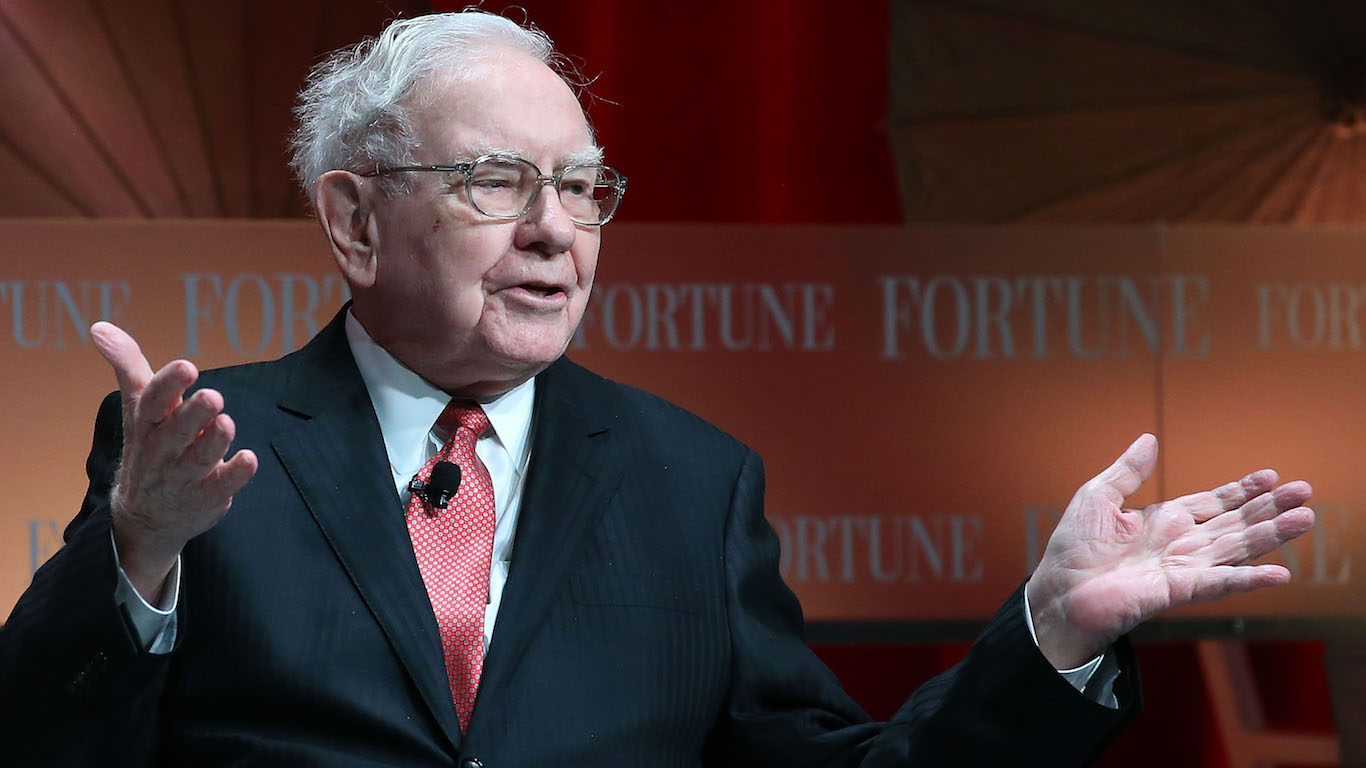
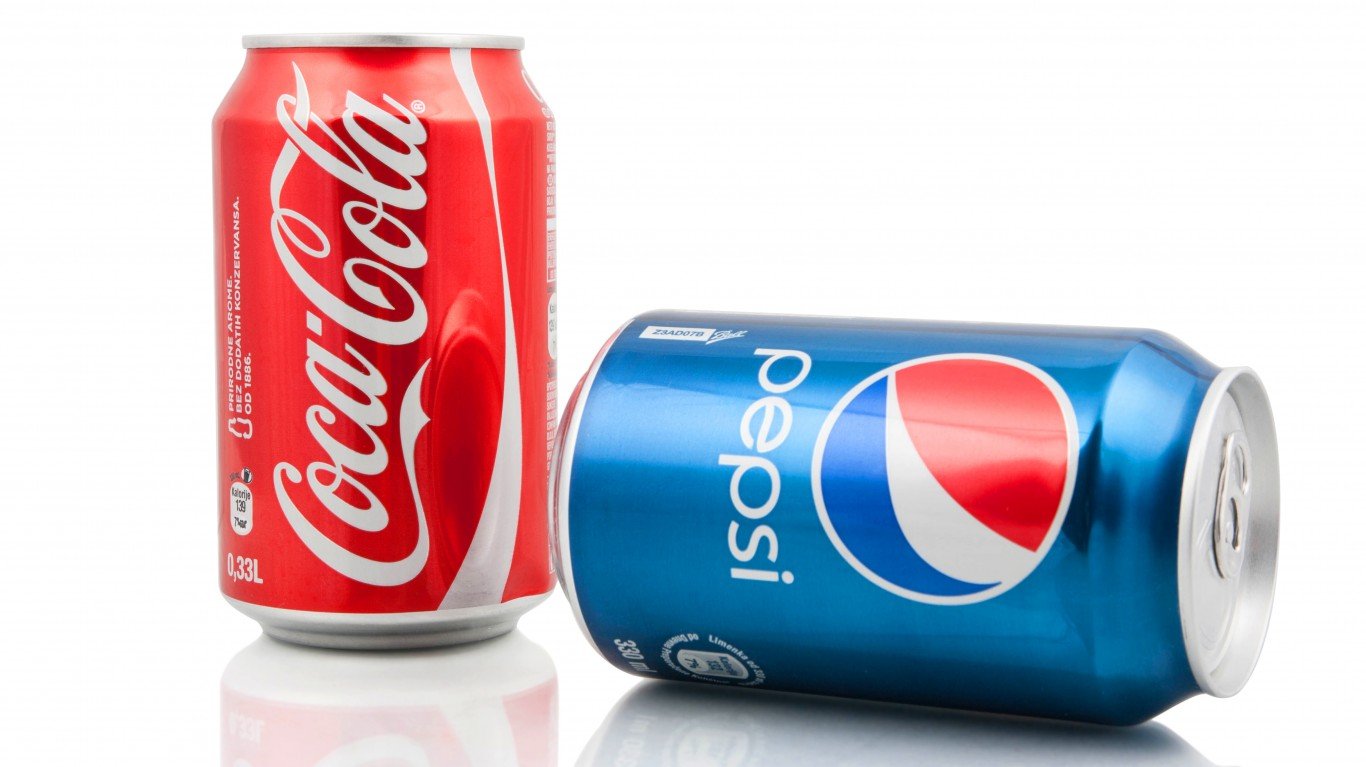
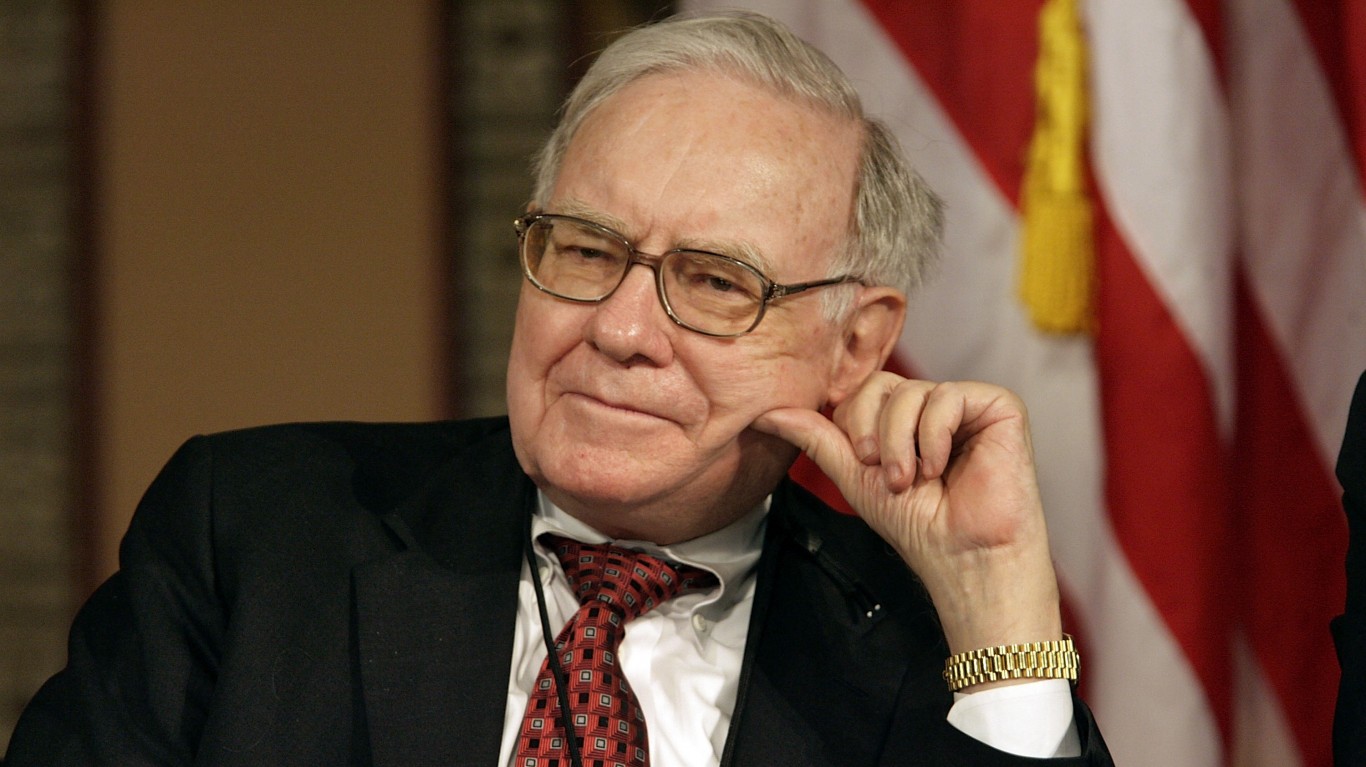
Warren Buffett, 96, credits Coke and McDonald’s for his long life, and the $848 million a year Coca-Cola pays Berkshire Hathaway carries a warning for retirees being told to buy the stock for its income: that check took 38 years to build, and a buyer this week starts at a 2.2% yield, less than half of what a 10-year Treasury pays. The health claim made the rounds Sunday after TheStreet collected his lines on it. "If I eat 2,700 calories a day, a quarter of that is Coca-Cola," he told Fortune in 2015. "I drink at least five 12-ounce servings. I do it every day." He stepped down as Berkshire’s chairman in September, 38 years after the company bought its first Coke shares, and stays on the board as chairman emeritus.
The stock side of that habit is in Berkshire’s own filings. Between 1988 and August 1994 Berkshire bought what is now 400 million shares of Coca-Cola for $1,299 million, about $1.3 billion, or $3.25 a share in today’s share count. It has never sold one. The stake is 9.3% of the company and was worth $38 billion at Friday’s close of $95.67, about 29 times what it cost. The dividend did the rest. Coke paid Berkshire $75 million in 1994, $704 million in 2022, $816 million last year, and will pay $848 million this year after its 64th straight annual raise, to 53 cents a quarter from 51 cents in February. On the original cost, that is a 65% yield every year. Buffett described the pattern in his 2022 letter: "Growth occurred every year, just as certain as birthdays."
Buffett’s Coke check reads as a message about time, and as a warning to anyone told to buy Coke this week for the income: the check came from a 1988 price and 38 years of raises, and a buyer today starts at 2.2%, below a Treasury. It is also proof of what a dividend grower becomes when nobody sells it. If you own an old lot of Coke, or someone is telling you to buy one, both halves of that message apply to you. This week they land on the same person: a widow with Coke shares her husband bought, and a son telling her to buy more.
The widow who already owns it
Carol is 72. Her husband died two years ago and ran the money while he was alive. She has about $1.6 million: his IRA, now hers, a brokerage account, and a paid-off house. Social Security pays her one check now instead of two, and she files as a single taxpayer. In the brokerage account are 4,000 shares of Coca-Cola. He bought 2,000 shares on the last trading day of 1999 at $58.25, a $116,500 purchase, and the 2012 two-for-one split made them 4,000. Her son, who reads the Buffett coverage, wants her to keep them and to move $300,000 of maturing CDs into Coke for the dividend. If you have ever inherited a stock and a strong opinion about it at the same time, you know her position. Here is what the numbers say about each half of that advice.
What the inherited shares have done
At $95.67 the 4,000 shares are worth $382,680, about 3.3 times what he paid. They pay $8,480 a year, $2,120 every quarter, about $707 a month. On his $116,500 that is a 7.3% yield on cost. In 2000, the first full year he owned them, Coke paid 34 cents a share in today’s share count, $1,360 for the year, a 1.2% yield on what he paid. The dividend has been raised every year since, and the $124,160 of dividends collected from 2000 through this December’s payment now exceed the purchase price.
The price did not cooperate for a long time. Split-adjusted, he paid $29.13 a share. Coke’s month-end price sat below that figure in 117 of the 322 month-ends since, the last of them in August 2010, more than ten years after he bought. At the low in November 2004 the shares were 33% under his price. The dividend was raised through all of it. That is Buffett’s lesson at household size: when you own a company that raises its payout every year, the check keeps growing while the price goes nowhere, and if you live on the check you do not have to care.
Carol inherited the shares, so her cost basis reset to their value on the day her husband died. Selling some would owe little or no capital gains tax, which means her decision is about concentration and income, not taxes. The lot is 24% of her $1.6 million in one consumer stock that pays 2.2% on today’s price. Keeping it is defensible. Keeping all of it because Buffett keeps all of his is a different decision: Berkshire’s Coke stake is a small share of a $1 trillion company, and Buffett has never needed the check to pay a bill. You probably do.
What $300,000 of new money would get
Her son’s second idea is where the Buffett comparison breaks. $300,000 buys 3,135 shares at $95.67. At $2.12 a share they pay $6,646 a year, about $554 a month. The same $300,000 in a 10-year Treasury at Friday’s 4.84% pays $14,520 a year. The Treasury pays $7,874 a year more, and the government guarantees it for ten years.
Coke’s dividend will grow and the Treasury coupon will not, so the honest question is how long you wait for the catch-up. If Coke keeps raising the dividend at this year’s 3.9%, the Coke check reaches $14,520 in about 20 years, when Carol would be 92. At last year’s 5.2% raise, about 15 years, at 87. At the 7.9% a year Berkshire’s check compounded from 1994 to 2026, about 10 years, at 82. Coke would have to trade at about $43.80 a share to hand a buyer today the Treasury’s 4.84%, and at about $36.72 to match the 5.8% yield on cost Berkshire had in its first year after the purchase was complete.
The valuation says why. Coke sells for 28 times its past year’s earnings of $3.39 a share and pays out 63% of those earnings as dividends. Buffett bought after the 1987 crash, when the company was out of favor and the yield on his money was more than double what a buyer gets now. He also had a holding period measured in decades and no need for the income. Carol has neither, and if you are 72 and spending the dividends, neither do you.
Where the plan is weak
Treasury interest is taxed as ordinary income and is free of state tax; Coke’s qualified dividends get the lower capital gains rates. For a single filer with Carol’s income that gap narrows the Treasury’s lead a little, and does not close it. The Treasury also returns exactly $300,000 in ten years, while 3,135 Coke shares could be worth more or less. If you want growth as well as income, a low-cost index fund gives you both without 24% of your money in one soft-drink company. If you want income now, the Treasury wins by $7,874 a year.
The bottom line
Buffett’s $848 million a year from Coke comes from 400 million shares bought for $1.3 billion between 1988 and 1994 and never sold, raised every year since like a birthday. A retiree who already owns Coke, as Carol does, is holding a smaller version of the same thing: a $116,500 purchase that now pays $8,480 a year and has already returned its cost in dividends. Keep what you are comfortable owning in one stock. If you buy Coke this week for income you get 2.2%, less than half of the 4.84% a Treasury pays, and you need 15 to 20 years of raises to catch up. Buffett had the years. At 96, he can also tell you that no one buys them in advance.
Contact [email protected] for any questions or corrections.
I've spent more than 15 years inside enterprise software, working alongside the finance, sales operations, and HR leaders who run the revenue engines at some of the largest tech companies in the country.
My day job is helping enterprise executives make smarter decisions about retention, compensation, and growth. These are the same operational levers that show up in every earnings report investors actually read. That perspective shapes my writing for 24/7 Wall St.
The headline numbers are easy. The interesting stuff is underneath: how companies make money, what executives are worried about, and what any of it means for the person checking their 401(k) on a Sunday afternoon. I write about personal finance and business as someone who has spent her career inside the rooms where these decisions get made.