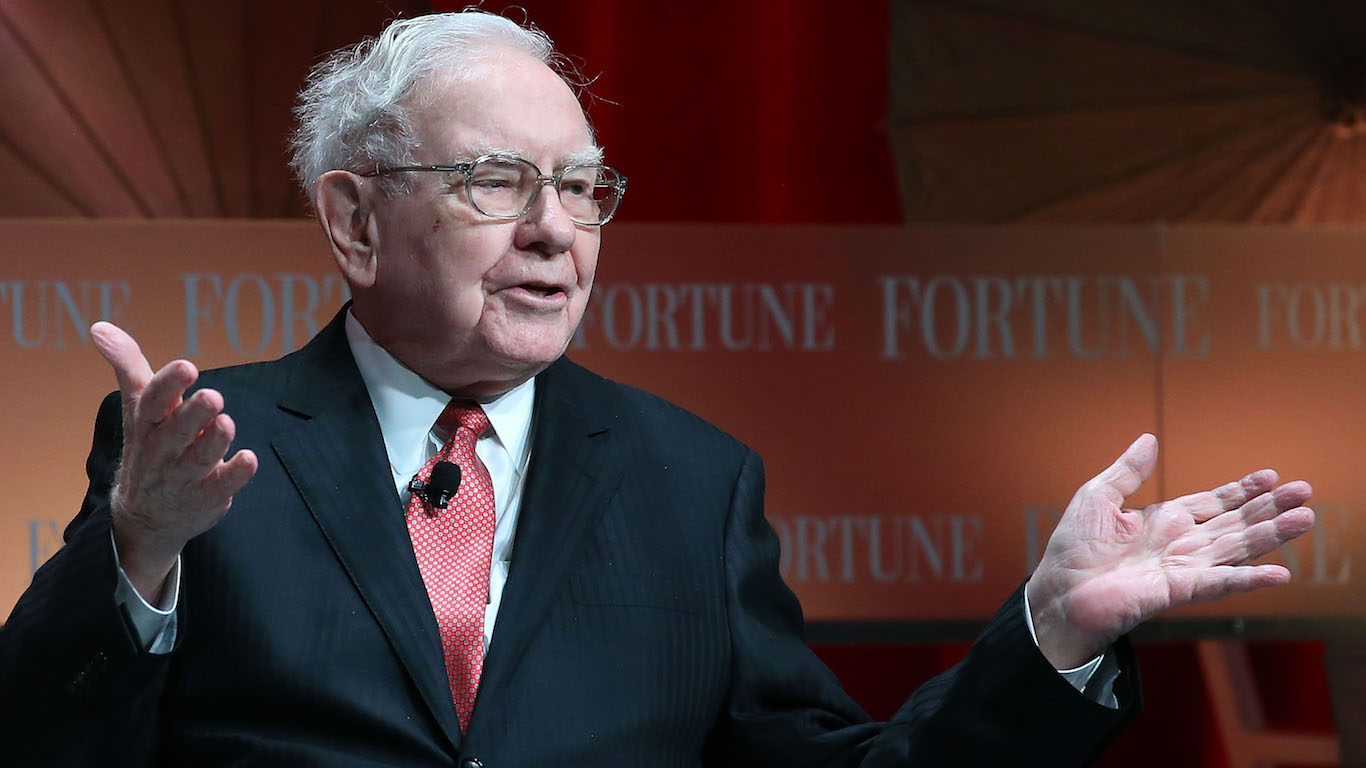
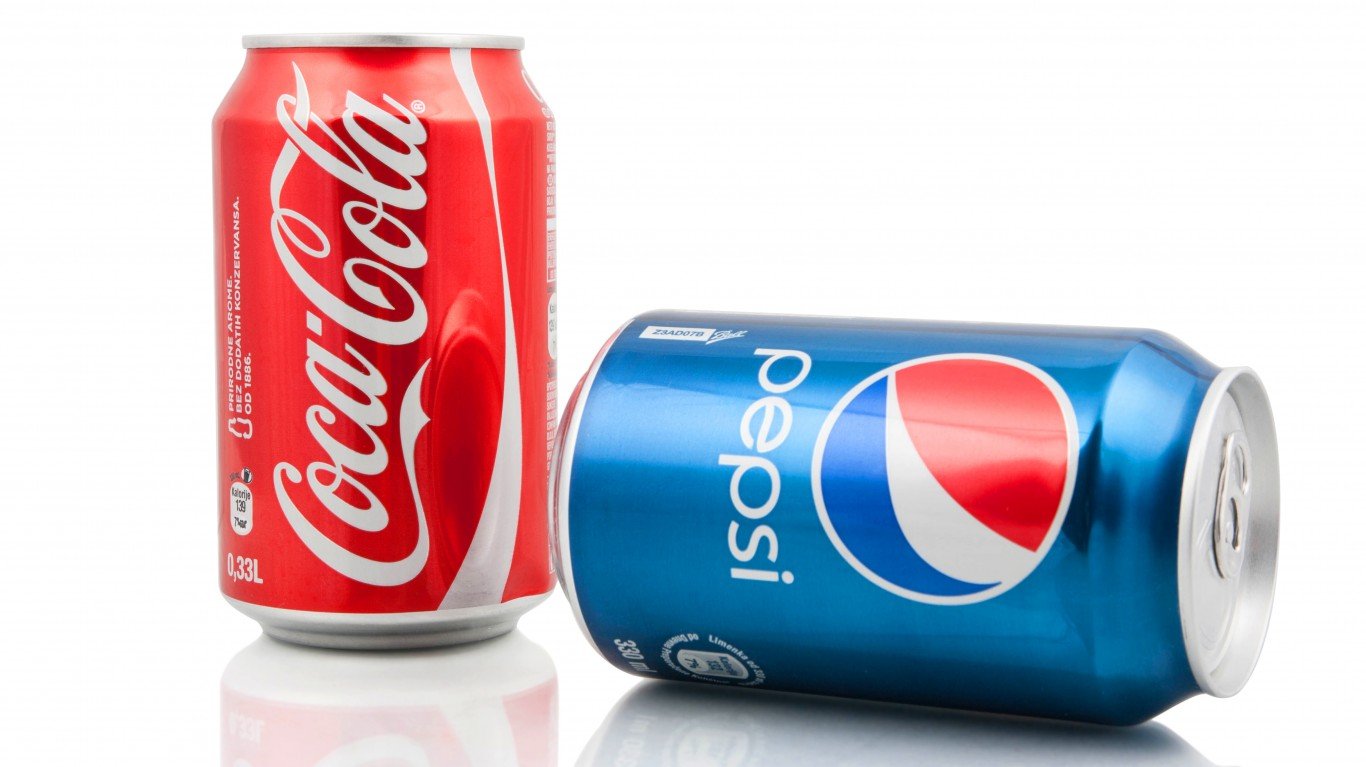
Warren Buffett Finished Buying Coca-Cola in August 1994 and Never Bought Another Share. Under Greg Abel, Berkshire Now Collects $2.3 Million a Day From It

This post may contain links from our sponsors and affiliates, and Flywheel Publishing may receive compensation for actions taken through them.
Berkshire Hathaway collects about $2.3 million a day in dividends from Coca-Cola (NYSE: KO), $848 million a year on 400 million shares that Warren Buffett finished buying in August 1994 and has never added to since. Berkshire’s latest 13F, for the quarter ended September 30, lists the same 400,000,000 shares it has reported every quarter since Coca-Cola’s 2012 stock split, worth $34.4 billion on that date and about $39.0 billion at Tuesday’s close of $97.62. Berkshire (NYSE: BRK-B) paid $1,299 million for them between 1988 and 1994, about $3.25 a share in today’s share count. Coca-Cola pays 53 cents a share each quarter, so every check to Berkshire is $212 million. The next one is due December 15.
Add up every check since the purchase was complete and the total comes to about $13 billion through this December’s payment, ten times what Berkshire paid, before counting the shares themselves. That sum comes from Coca-Cola’s dividend history adjusted for its 1996 and 2012 splits, multiplied by Berkshire’s 400 million shares, with 1994’s $75 million taken from Buffett’s own letter. It matches the figures Berkshire has reported in its annual reports in every year we could check: $88 million in 1995, $376 million in 2011, $704 million in 2022 and $816 million in 2025.
Read as a case for buying Coca-Cola today, the $2.3 million a day misleads: that is a 65% yield on a price Buffett locked in more than three decades ago, and a buyer at this month’s record price starts near 2.1%. Read as a record of what a dividend raised every year does to an investment left alone for 32 years, it is the clearest example Berkshire owns.
How the check grew
Coca-Cola paid Berkshire $88 million in 1995, the first full year it owned all 400 million shares. The dividend has been raised every year since, 31 raises in 31 years, and the check has compounded at 7.6% a year:
| Year | Coca-Cola’s dividend to Berkshire |
|---|---|
| 1995 | $88 million |
| 2000 | $136 million |
| 2005 | $224 million |
| 2010 | $352 million |
| 2015 | $528 million |
| 2020 | $656 million |
| 2026 | $848 million |
Buffett described the pattern in his 2022 letter: "The cash dividend we received from Coke in 1994 was $75 million. By 2022, the dividend had increased to $704 million. Growth occurred every year, just as certain as birthdays. All Charlie and I were required to do was cash Coke’s quarterly dividend checks."
The share price did much less for a long stretch. Adjusted for the 2012 split, Coca-Cola closed 1999 at $29.12 and did not close above that level for good until September 2010, more than ten years later. Over the same span the dividend to Berkshire went from $136 million to $352 million. A holder who needed the price to go up had a lost decade. A holder who lived on the checks got a raise every year.
The prediction Buffett made in 2011
In his 2010 letter, written in February 2011, Buffett put a number on what he expected next. "Coca-Cola paid us $88 million in 1995, the year after we finished purchasing the stock. Every year since, Coke has increased its dividend. In 2011, we will almost certainly receive $376 million from Coke, up $24 million from last year. Within ten years, I would expect that $376 million to double," he wrote, and closed the thought with a line he had used before: "Time is the friend of the wonderful business."
The doubling took thirteen years, three more than he expected. The 2021 check was $672 million, 1.79 times the 2011 figure, and the first year at or above $752 million was 2024, at $776 million. He was late and right.
What Greg Abel’s first letter says about it
Buffett handed the chief executive job to Greg Abel on January 1 and stepped down as chairman in September. Abel’s first shareholder letter, dated February 28, 2026, lists the Coca-Cola stake at a cost basis of $1,299 million, a market value of $27,964 million at year-end 2025 and $816 million of 2025 dividends, beside Apple, American Express and Moody’s. He described the four as "businesses we understand well, have a high regard for their leaders, and expect will compound over decades," and said the concentrated approach "will continue, with limited activity in these holdings, though we may significantly adjust a holding if we see fundamental changes in its long-term economic prospects."
Coca-Cola has since done its part. The board raised the quarterly dividend about 4% in February, from 51 cents to 53 cents, the 64th straight annual increase. The stock closed at a record $99.48 on November 16, and at Tuesday’s close it had gained 13% since the September 30 date on Berkshire’s 13F.
What the yield on cost means
The yield on cost belongs to Berkshire’s purchase price, and that price is the whole story. At $3.25 a share, $2.12 of annual dividends is a 65% return on the original money every year. At $97.62 a share, the same $2.12 is 2.2%. The daily figure is Buffett’s 1988 to 1994 purchase price doing the work, with 32 years of raises on top of it.
For anyone holding an old lot of a dividend grower, the same arithmetic applies at household size. Every $10,000 of Berkshire’s cost now brings back about $6,500 a year in dividends and is worth about $301,000. Your own lot runs on the same two numbers: what you paid and how many years of raises have come since. The price in the account can sit still for a decade, as Coca-Cola’s did from 1999 to 2010, while the check keeps growing, and if the check is what you spend, the price matters only on the day you sell.
The limits are as plain. A purchase today does not get the 1994 price, and a stake that has grown to a large share of a portfolio carries concentration risk that Berkshire, with Coca-Cola at 11% of a $300 billion stock portfolio, can absorb more easily than a household with half its savings in one name. A sale of an old lot in a taxable account owes capital gains tax on the whole gain unless it passes through an estate, where the basis steps up to the value on the date of death.
The bottom line
Berkshire’s Coca-Cola shares, bought for $1,299 million by 1994, now pay $848 million a year, about $2.3 million a day and $212 million a quarter, with the next payment due December 15. The dividends alone have returned about $13 billion since 1994, ten times the cost, and the shares are worth about $39.0 billion on top. Buffett’s 2011 prediction that the check would double in ten years came true in thirteen. Greg Abel’s first letter says the holding stays. That yield is on a 1994 price, and a buyer at this month’s record high starts at about 2.1%, which is the difference between owning a dividend grower for 32 years and buying one today.
Contact [email protected] for any questions or corrections.
I've spent more than 15 years inside enterprise software, working alongside the finance, sales operations, and HR leaders who run the revenue engines at some of the largest tech companies in the country.
My day job is helping enterprise executives make smarter decisions about retention, compensation, and growth. These are the same operational levers that show up in every earnings report investors actually read. That perspective shapes my writing for 24/7 Wall St.
The headline numbers are easy. The interesting stuff is underneath: how companies make money, what executives are worried about, and what any of it means for the person checking their 401(k) on a Sunday afternoon. I write about personal finance and business as someone who has spent her career inside the rooms where these decisions get made.