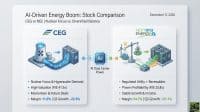
Constellation Energy’s Dividend Is Small. AI Power Demand Could Change That

This post may contain links from our sponsors and affiliates, and Flywheel Publishing may receive compensation for actions taken through them.

Constellation Energy (NASDAQ:CEG | CEG Price Prediction) just raised its 2026 earnings guidance for the second time this year. Its dividend still pays very little. At a share price of $272.58, the forward payout yields about 0.63%, and another measure puts the yield at 0.67%. So the dividend is confirmed small. What income investors need to know is whether AI power contracts can grow it.

How Constellation Makes Its Money
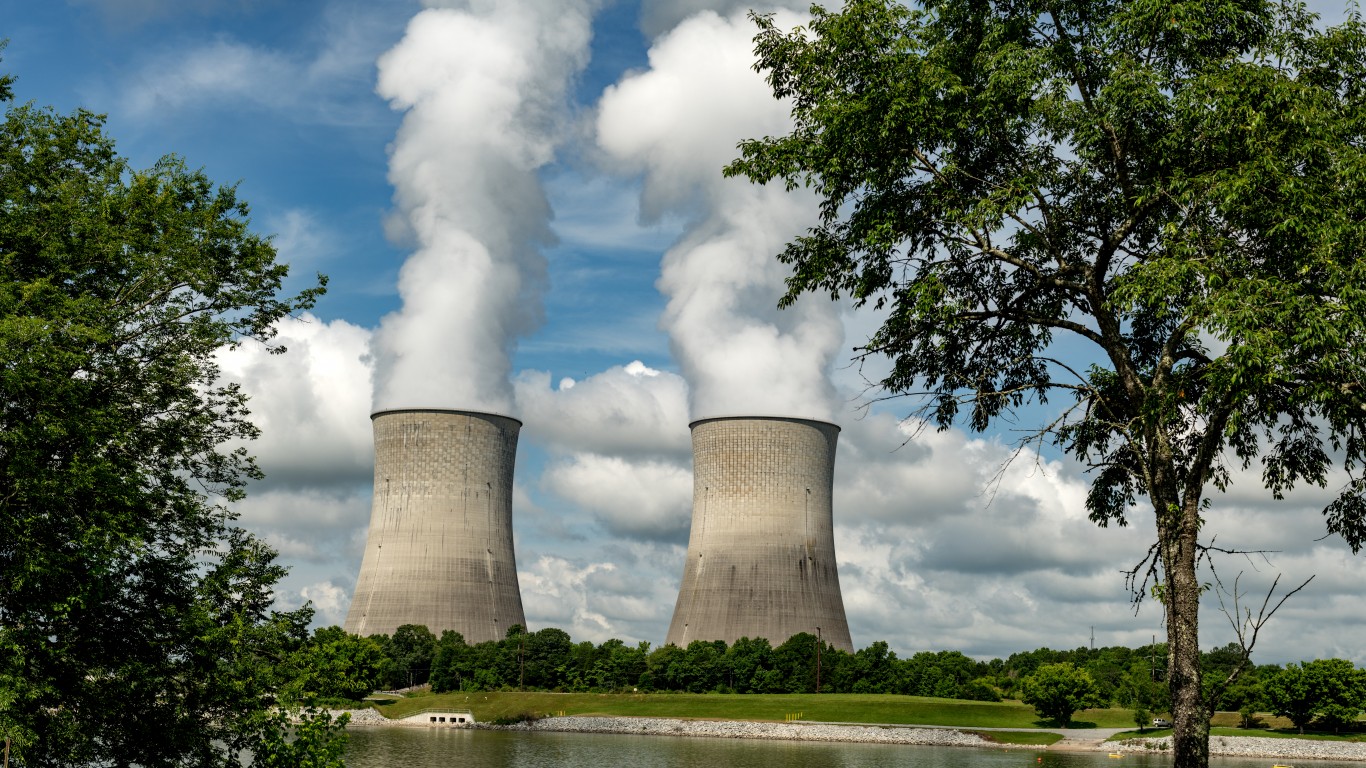
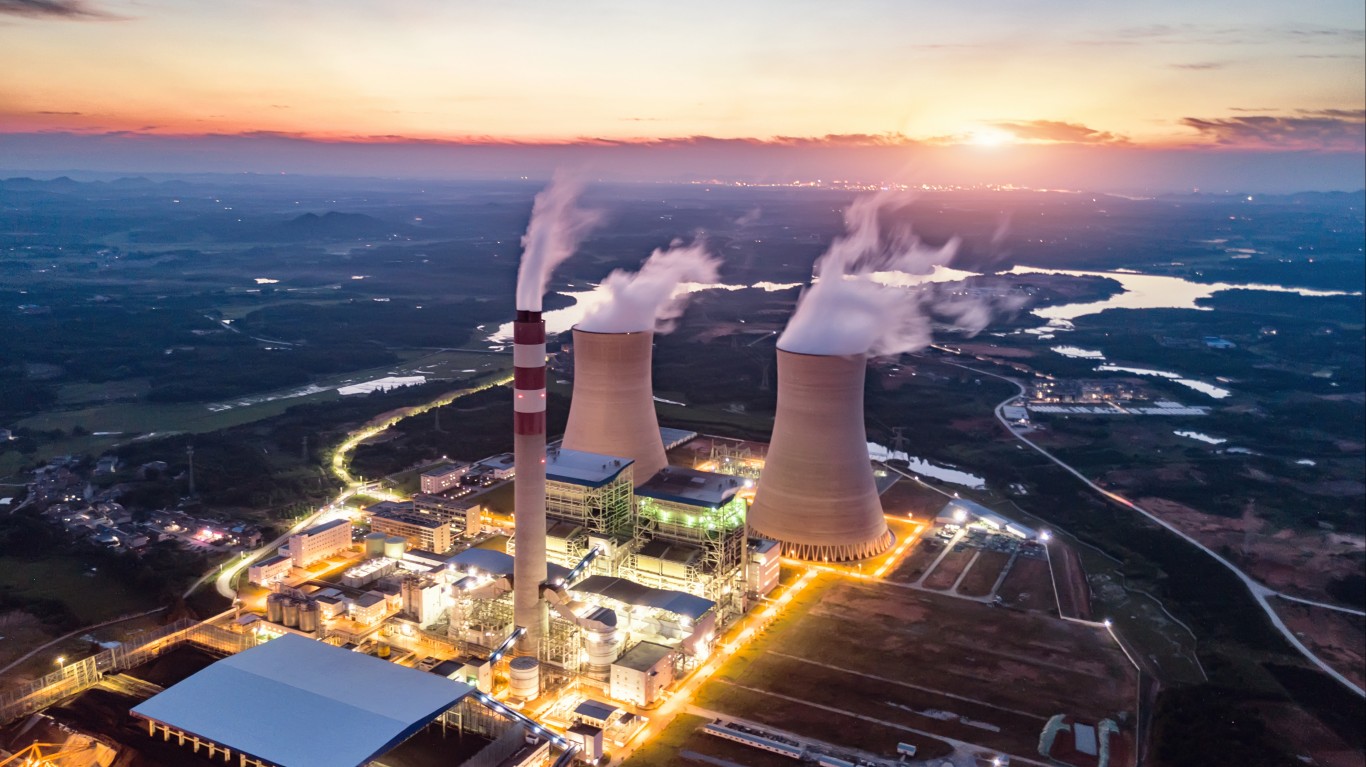
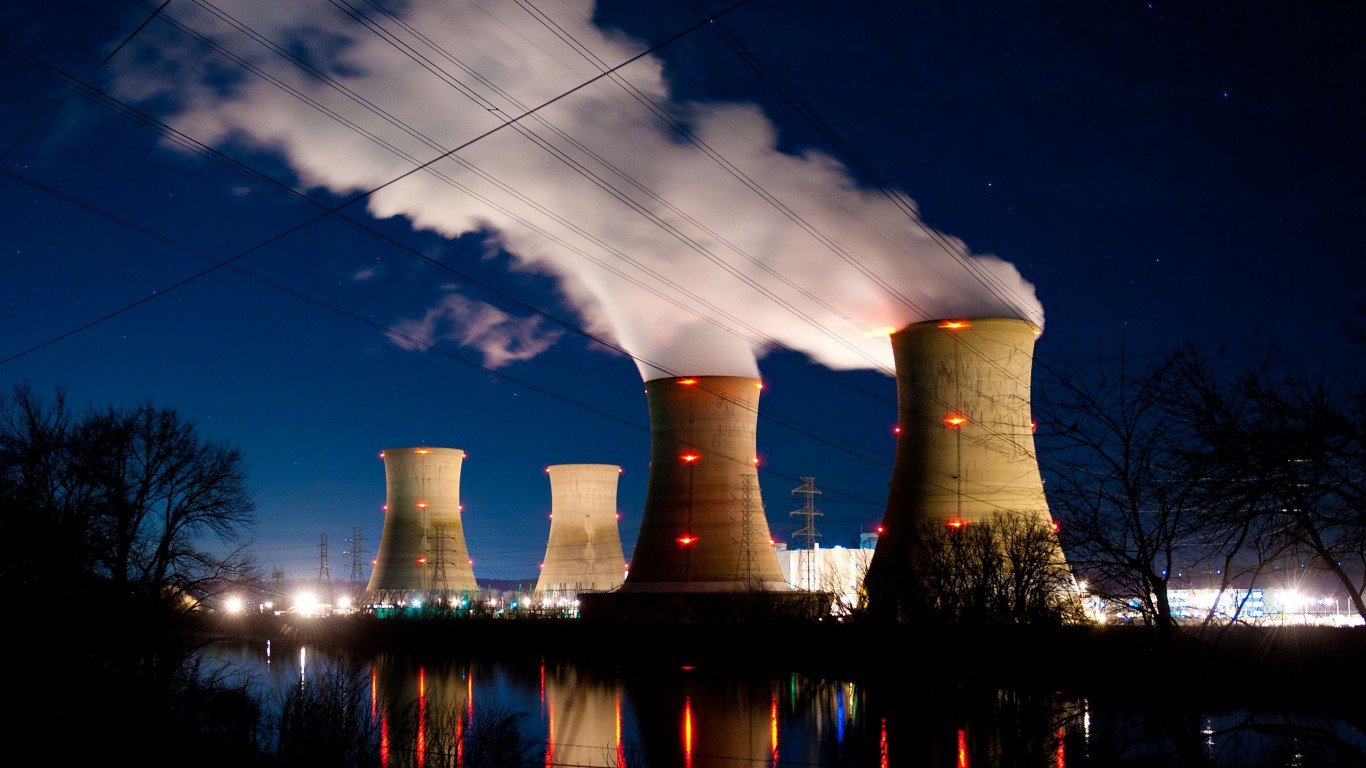
Constellation owns the largest nuclear fleet in the U.S. and has about 55 GW of capacity since it closed the Calpine deal on January 7, 2026. Its nuclear plants sell power under long-term contracts, and the federal nuclear production tax credit puts a floor under revenue through 2032. The gas plants make money on spark spreads (the gap between power prices and fuel costs) and on capacity payments. A retail arm serves about 2.5 million customer accounts.
A Tiny Payout With Plenty of Room to Grow
The quarterly dividend is $0.4265, or $1.706 a year. That is only about 13.5% of the center of 2026 adjusted EPS guidance, which stands at $12.50 to $12.80. The payout rose about 10% from $0.3878 in 2025 and has roughly tripled since $0.141 in 2022.
NextEra Energy (NYSE:NEE), the classic dividend-growth utility, pays $0.6232 a quarter, also up about 10% this year. Vistra (NYSE:VST), Constellation’s closest independent power rival, pays $0.231 and raises it by fractions of a cent each quarter. Constellation is matching NextEra’s growth rate from a smaller starting point.
AI Contracts Are Building the Cash Engine
Third-quarter adjusted EPS came in at $5.06, well ahead of the $3.88 consensus. Revenue rose 32.93% to $9.55B. So far this year, Constellation has signed about 8,500 MW of long-term agreements. These include a 20-year, 690 MW deal with Amazon (NASDAQ:AMZN). The agreements also include a contract with Google’s parent, Alphabet (NASDAQ:GOOGL), that supports more than $4.3B of nuclear uprates. CEO Joe Dominguez described what that does to the company’s risk profile:

“Nearly half of our clean output is hedged not for a couple of years but for a couple of decades, and we expect to do more.”
He also said that “this demand is significantly broader than AI.” Management is targeting Base EPS growth of 20%+ a year from 2026 through 2029. The nuclear restart trade goes well past Constellation, and we mapped five of our favorite ways to play it in a free report here.

Buybacks Are Winning the Fight for Cash
Management did not announce a dividend increase on the call. It focused on buybacks instead. Constellation has bought back about $3 billion of stock, roughly 11 million shares, and expects to finish its $5 billion authorization by year-end 2027.
“We don’t think the market, with all the churn and all the noise in the market around different things, has adequately valued the business.”
With shares down 22.49% this year, buying back stock is the obvious use of extra cash.
Risks That Could Slow the Payout
Dominguez acknowledged that utilities had overestimated data-center demand. He expects federal regulators to act on co-location in the first half of 2027. Higher interest expense and lower production tax credit revenue held back results. Long-term debt rose to $17.5B after Calpine. The big 2026 contracts don’t start scaling up until 2028 and beyond.
What Income Investors Should Watch Next
Constellation is a growth stock that pays a token dividend, with earnings growing much faster than the payout, leaving room for further raises from a small base. The next signal comes with the updated buyback plan, which management expects to release on or before the fourth-quarter call.
Contact [email protected] for any questions or corrections.
Chris Lange is a financial and geopolitical writer with more than a decade of experience covering a myriad of topics. He has published thousands of articles for 24/7 Wall St., with past coverage focused heavily on stocks, IPOs, healthcare, defense, global affairs, and technology.
His work has been quoted, or referenced by a number of outlets including Business Insider, USA Today, Yahoo Finance, MSN, The Motley Fool, and many other publications. A graduate of Southwestern University, he studied business with a focus on investments and has previous experience in banking and startups.
When not reading or writing the news, he is following his passion for Lacrosse, playing chess, or building solar projects with his dad.