Archer Aviation Is Down 46% This Year. What Will It Take to Get ACHR Stock Back to $8?

This post may contain links from our sponsors and affiliates, and Flywheel Publishing may receive compensation for actions taken through them.
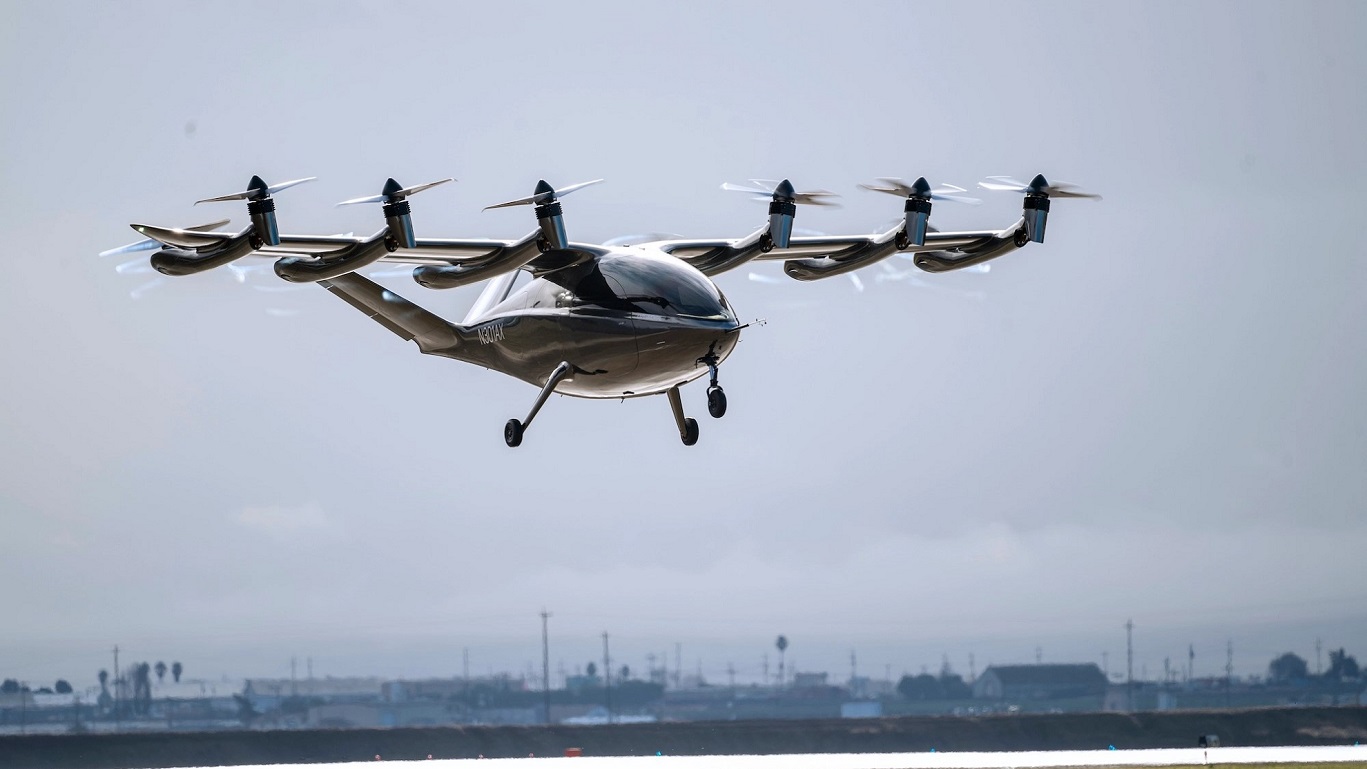
Air taxi stocks have had a rough 2026, and Archer Aviation (NYSE:ACHR | ACHR Price Prediction) has felt it despite a string of operating milestones. Archer stock trades at $4.09, down 46% year to date (YTD). That’s a sharp slide from the $7.52 where the stock closed 2025.
A 6% drop from the previous session compounds Archer’s decline as broad risk-off selling hits technology and speculative growth names. Climbing back to $8 would require a 95.6% gain for Archer.

Over the last year, Archer traded well above that mark. One year ago, on November 12, 2025, Archer stock sat at $8.65. Shares also reached a 52-week high of $9.29.
What Archer’s Q3 2026 Results Say About the Road to $8
Archer reported Q3 2026[1] results on November 9, with its revenue of $5.1 million exceeding the $3.57 million consensus estimate. First engine and battery pack deliveries to Anduril for its Omen autonomous air vehicle drove the beat. Spending remains heavy, and the company’s Q3 net loss reached $274.6 million[1].
Guidance from Archer for Q4 2026 calls for revenue of $5 million[1] to $6 million and an adjusted earnings before interest, taxes, depreciation and amortization (EBITDA) loss of $185 million to $205 million, excluding planned acquisitions from Boeing (NYSE:BA). Archer Aviation said it ended Q3 with $1.4 billion[2] in liquidity. Still, liquidity fell $207 million[1] during the quarter.
On the November 9 call, Archer CEO Adam Goldstein called Midnight’s Federal Aviation Administration (FAA) Market Survey Special Airworthiness Certificate “undoubtedly our most important commercialization milestone to date.”[2] Midnight can now begin flying in Los Angeles ahead of type certification, and Archer is targeting piloted transition by year-end. Goldstein also declared, “In 2027, I plan to be Archer’s first passenger in Midnight.”[2] Flights with passengers in 2027 would arrive ahead of the 2028 Los Angeles Olympics.
Boeing Deal Could Reshape Archer’s Revenue Base
Archer disclosed on August 10[3], alongside its Q2 2026 results, a deal to acquire Wisk, Insitu and SkyGrid from Boeing. Boeing is set to receive stock and become Archer’s largest shareholder at closing. Of nearly 20[2] governmental and third-party approvals, only one remains outstanding.
Insitu brings over $200 million in annual revenue, according to Archer Aviation. Management expects that revenue to help offset Midnight development spending in 2027[1]. On timing, Goldstein said, “We believe closing will be soon.”[2]
How Joby and EHang Stack Up Against Archer
Joby Aviation (NYSE:JOBY) stock is down 61% YTD to $5.14, a sharp drop than Archer’s. Unlike Archer, Joby already owns Blade, a passenger business that carried a record more than 44,000[4] passengers in Q3. That traffic helped the company raise its full-year 2026 revenue guidance to $135 million to $140 million[4].
EHang Holdings (NASDAQ:EH) stock is down 72% YTD to $3.70, the sharp decline of the three. China’s Civil Aviation Administration has granted the company’s unmanned EH216-S type, production and standard airworthiness certificates. After a piloted light-sport aircraft accident in China in late June[5] prompted a more cautious regulatory position, EHang pulled its 2026 revenue guidance of 600 million yuan.
Archer is building a broader aerospace and defense model, pairing Midnight with propulsion sales to Anduril and the pending Insitu drone business. Blade gives Joby passenger revenue now, while EHang’s results swing with aircraft deliveries and regulatory approvals in China.
Weighing Archer’s Case for a Return to $8
The bulls see a revenue beat, a nearly closed Boeing deal and a Midnight certificate for Los Angeles flights as the building blocks of an Archer recovery. Analysts’ average price target on Archer stands at $10.06. Ratings include 3 Strong Buy, 4 Buy and 2 Hold, with no Sell ratings on the stock.

Archer’s cash burn is the chief concern for the bears, with Q4 guidance pointing to another heavy adjusted EBITDA loss. Certification timing adds risk, since Midnight remains in the final phase of FAA type certification and the current market-survey authorization covers a conventional takeoff and landing (CTOL) version of the aircraft. Folding three Boeing businesses into Archer brings integration risk as well.
What Comes Next for Archer’s Boeing Deal and Los Angeles Flights
The next test for Archer is whether the Boeing deal closes as soon as management expects. Shareholders can watch for the first Midnight flights in Los Angeles, which Archer expects in the coming weeks.
Either event could strengthen Archer’s case for a recovery, while a setback in either could extend the slide. Resolution of the Boeing deal could clarify Archer’s path for investors researching the stock.
Contact [email protected] for any questions or corrections.
David Moadel is financial writer specializing in stocks, ETFs, options, precious metals, and Bitcoin. David has written well over 1,000 articles for leading online publications, helping investors understand markets, income strategies, and risk. His work has appeared in 24/7 Wall St., The Motley Fool, InvestorPlace, U.S. News & World Report, TipRanks, ValueWalk, Benzinga, Market Realist, MarketScreener, TalkMarkets, Finmasters, and others. With a master’s degree in education, David has taught at the elementary, high school, and college levels. That teaching background shapes his writing style: clear, educational, and practical. David has also built a loyal social-media audience by providing trustworthy financial content on YouTube, X/Twitter, and StockTwits.