SpaceX Has Slumped Since June. 3 Billionaires Just Piled In Anyway (and 1 Went 17x Bigger)

This post may contain links from our sponsors and affiliates, and Flywheel Publishing may receive compensation for actions taken through them.
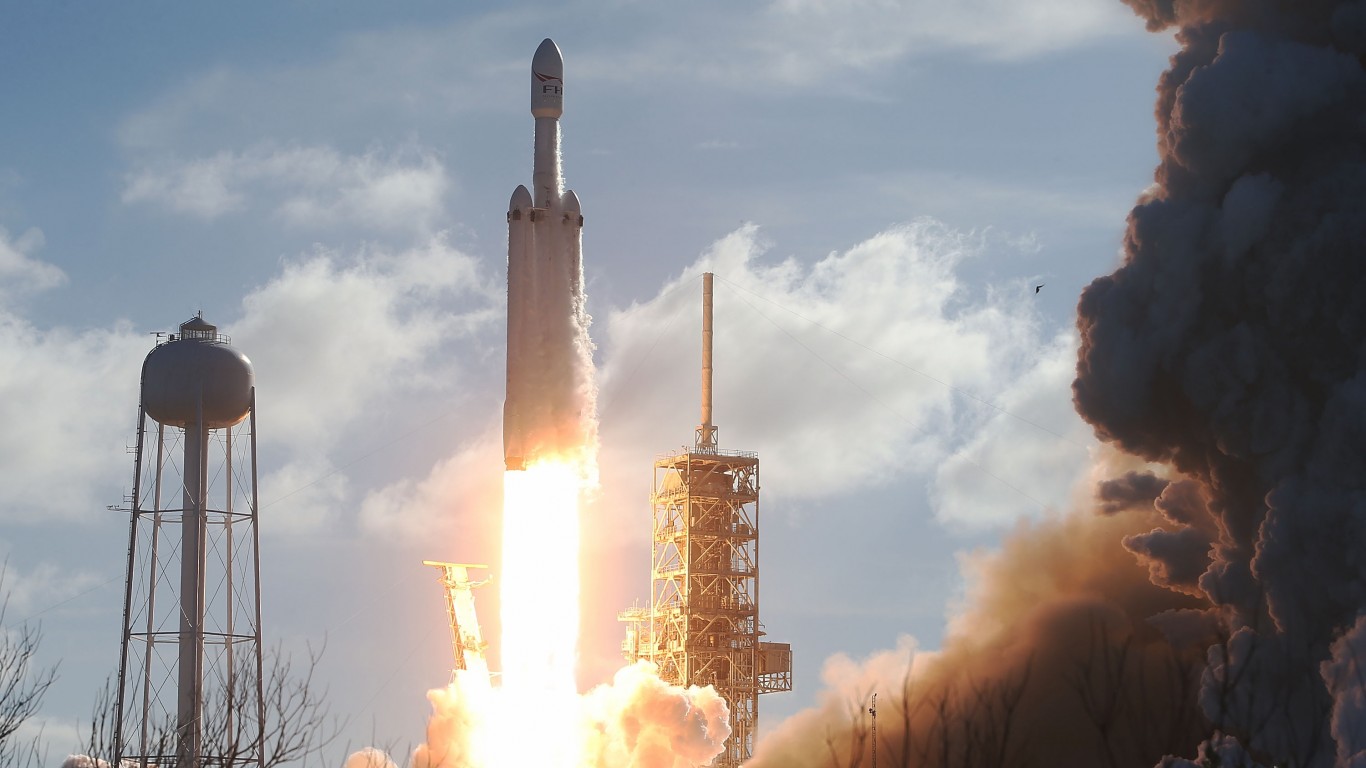
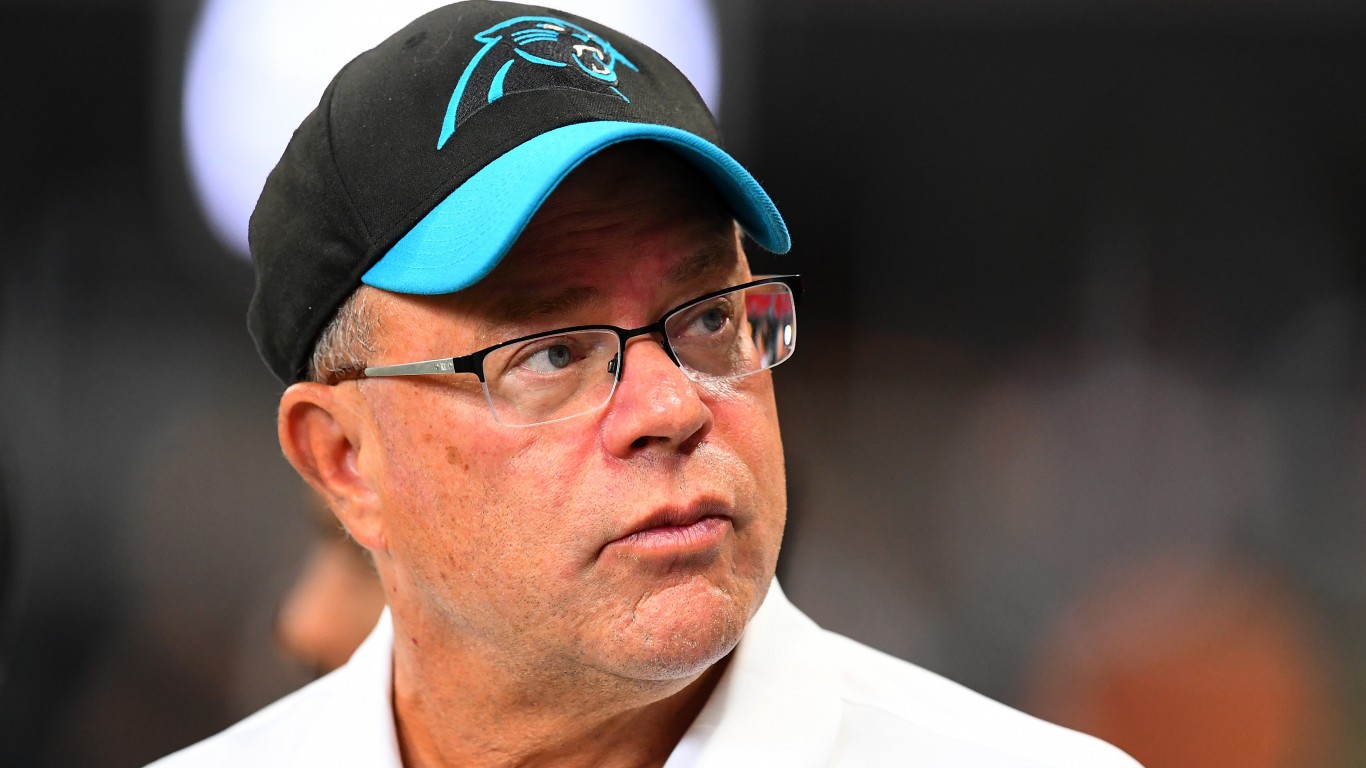
David Tepper’s Appaloosa raised its stake in SpaceX (NASDAQ:SPCX | SPCX Price Prediction) from 225,000 shares to 3,883,329[1] shares in Q3 despite the stock’s ongoing slump. That made the position about 17.3 times its prior size, according to a 13F filed Nov. 16. Daniel Loeb’s Third Point went from 180,415 to 980,415[2] shares, about 5.4 times larger. Stanley Druckenmiller’s Duquesne Family Office opened a new position of 202,125 shares. All three filings show holdings as of Sept. 30.
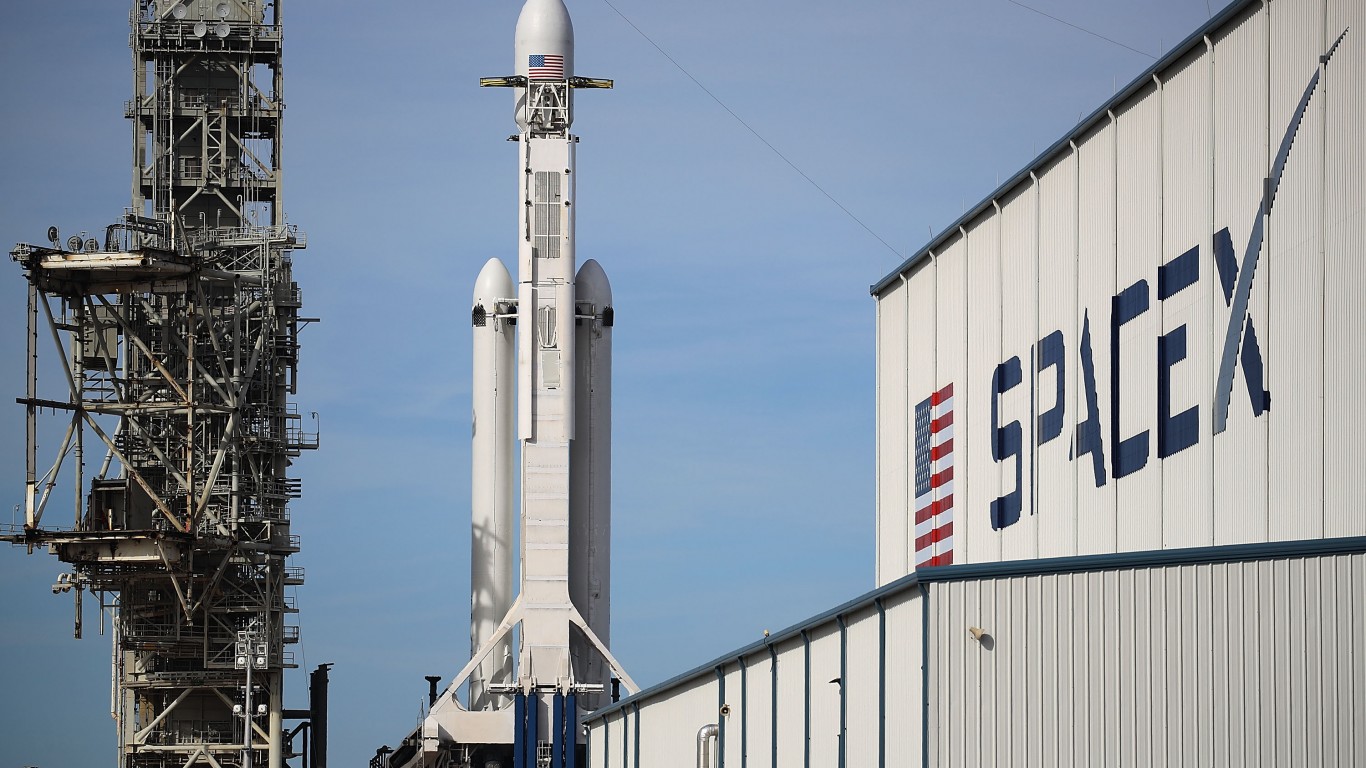
They bought into a falling stock. SpaceX closed at $170.86 on June 30 and at $134.27 on Nov. 6, a decline of 21.42%. It has stabilized since then. Shares closed at $138.92 on Monday, Nov. 16, and is trading around $139.88 this morning, up 1.83% on the session.

Why Tepper’s 17x Move Carries the Most Weight
Appaloosa’s SpaceX stake ranked as its fourth-largest disclosed position, behind Micron (NASDAQ:MU), Amazon (NASDAQ:AMZN) and Taiwan Semiconductor (NYSE:TSM). The rest of that book includes chipmakers, cloud names and power producers. That pattern suggests a thesis on AI infrastructure from chips through electricity, with SpaceX’s compute expansion sitting in the middle of it.
Druckenmiller’s stake is new and small next to the other two. MarketWatch reported he dumped chip stocks while buying into SpaceX. Some funds sold. Of 23 tracked funds, 6 trimmed and 2 left, including reductions by D1 Capital Partners and Altimeter Capital.
Earnings Growth Behind the Buying
The Q3 numbers explain the interest. Revenue hit $14.6 billion against a $13.02 billion consensus, and GAAP net income reached $4.4 billion versus a $1.1 billion loss a year earlier. Super Intelligence revenue grew 830%[3] to $7.6 billion, while Starlink-driven Connectivity rose 69% to $5.2 billion.
Management guided first-quarter 2027 revenue to $33 billion to $37 billion[4]. Elon Musk framed the bottleneck in terms that match Tepper’s power holdings: “the constraint on deployment of Super Intelligence is more in power, cooling, and infrastructure than it is in chips.”[4]
Risks remain. Fourth-quarter capex is expected at $35 billion to $40 billion[4]. The Cursor deal added $1.2B[3] in third-quarter stock compensation, and Musk called Terafab timelines “very aggressive.”[4] If compute pricing moderates while spending stays this heavy, the growth premium contracts quickly.

What Retirement Investors Should Take From These Filings
Treat these filings as a snapshot. They show share counts as of Sept. 30, disclosed about 45 days later. Any of these managers could have added, trimmed or sold since then. The changes also say nothing about entry prices. Shares changed hands at $115.09 on the Q2 filing date and $148.72[3] on the Q3 filing date, so cost bases are unknown.
My take: The trade’s underlying idea deserves close study. Tepper made SpaceX a top-five holding, which signals real conviction in AI compute and Starlink cash flow. Loeb’s fivefold increase backs the same view. The underlying results already support that case. Retirement investors researching SpaceX should weigh its high volatility and keep an eye on the stock around Starship schedule and fourth-quarter capex. Billionaire buying confirms the story. Only the next earnings reports can prove it.
Contact [email protected] for any questions or corrections.
Joel South covers large-cap stocks, dividend investing, and major market trends, with a focus on earnings analysis, valuation, and turning complex data into actionable insights for investors.
He brings more than 15 years of experience as an investor and financial journalist, including 12 years at The Motley Fool, where he served as an investment analyst, Bureau Chief, and later led the Fool.com investing news desk. He has also co-hosted an investing podcast and appeared across TV and radio discussing market trends.