Micron Is Down 32% in a Month. Can MU Stock Get Back to $1,000?

This post may contain links from our sponsors and affiliates, and Flywheel Publishing may receive compensation for actions taken through them.
The selloff in AI infrastructure stocks has hit memory makers hard, and Micron Technology (NASDAQ:MU | MU Price Prediction) is squarely in its path. Micron stock is down 32% over the past month to $605.35 in Wednesday afternoon trading. That decline began at $896.07 on October 20 and includes a 12% drop from where it last closed.
A 52-week high of $1,254.61 shows that Micron shares traded above $1,000 within the past year. Even after the drop, the company’s large gain for the year remains intact, built on record results from the AI memory boom. What’s changed is the market’s confidence in how long that boom can last.

UBS Puts a Price Tag on the AI Payoff Question
In a note on November 20, UBS (NYSE:UBS) questioned whether AI spending can earn its keep. The bank noted that recent selling followed persistent pressure on chipmakers and cloud companies as investors questioned the scale of AI infrastructure investment, adding that “risk-reward in equities had become more balanced.” By UBS’s estimate, cumulative U.S. tech investment in AI infrastructure could reach $5 trillion[1] by the end of 2028. UBS maintained that AI model and application revenues likely need to hit at least $1.5 trillion[1] by 2030 for an adequate return.
Another line in the UBS note lands close to home for Micron. The firm stated it’s “cautious on leveraged capacity providers, lower-quality suppliers, and companies whose valuations depend on persistent bottlenecks or distant cash flows.” Micron’s adjusted gross margin reached 87%[2] in Q4 FY2026. The firm said that level was built on tight memory supply and rising prices.
On its Q4 call, Micron’s management pushed into that tight-supply story. President and Chief Operating Officer Manish Bhatia offered the view. He said, “We made the statement that we really don’t have line of sight to when supply and demand balance.”[3] Industry trackers turned more conservative on memory pricing in recent days, putting that assumption under pressure.
Rates add pressure on Micron, with UBS expecting 25 basis point[1] Federal Reserve rate hikes in December and March 2027. That call followed Fed minutes showing nearly all policymakers expected further tightening, though UBS doesn’t anticipate a prolonged tightening cycle.
Western Digital and Seagate Slide Alongside Micron
Western Digital (NASDAQ:WDC) stock is down 28% over the past month to $260.65. The hard disk drive (HDD) maker is also down 12% from its previous close, even after its Q1 FY2027 revenue grew 55.5%[4] year over year to $4.38 billion.
Meanwhile, Seagate Technology (NASDAQ:STX) stock is down 32% over the past month to $459.47. The decline includes a 12% drop from its previous close, even as Seagate’s guidance calls for Q2 FY2027 revenue of $4.8 billion[5], plus or minus $100 million.
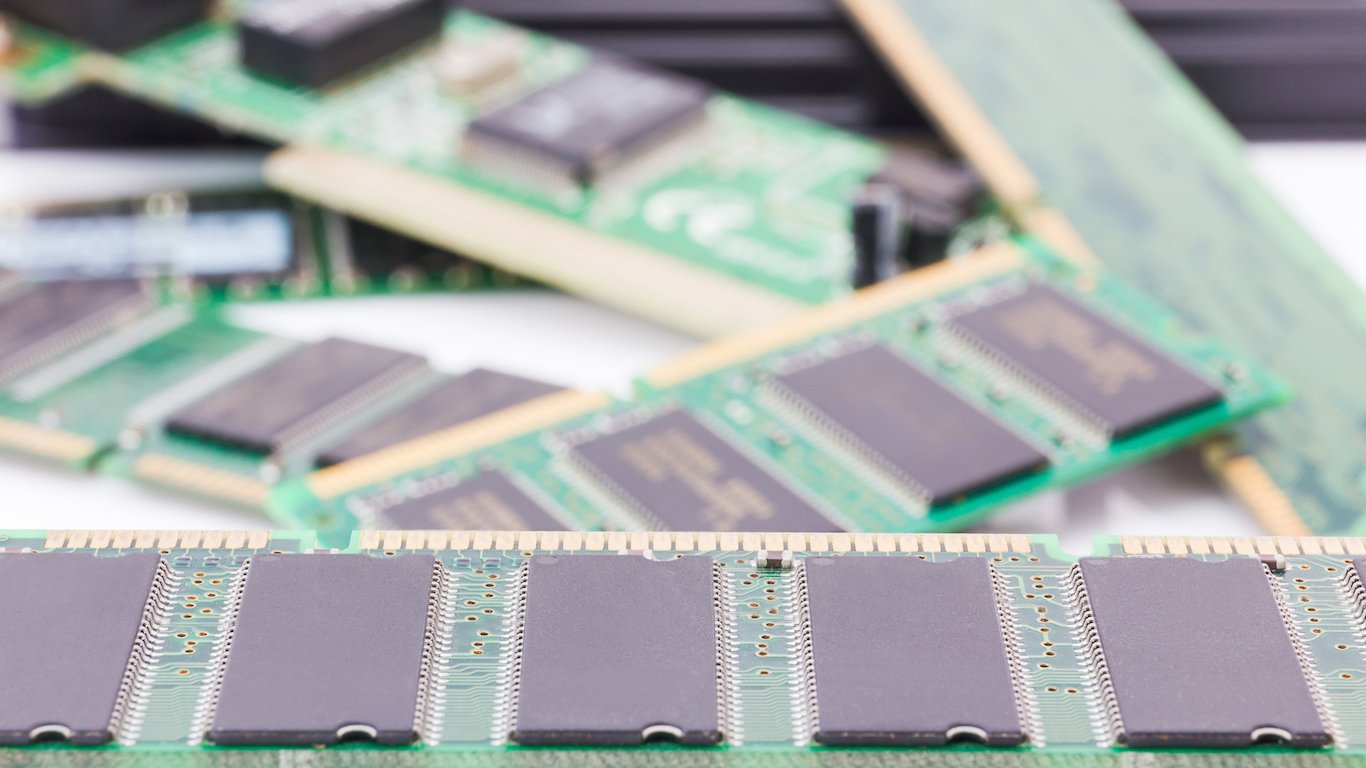
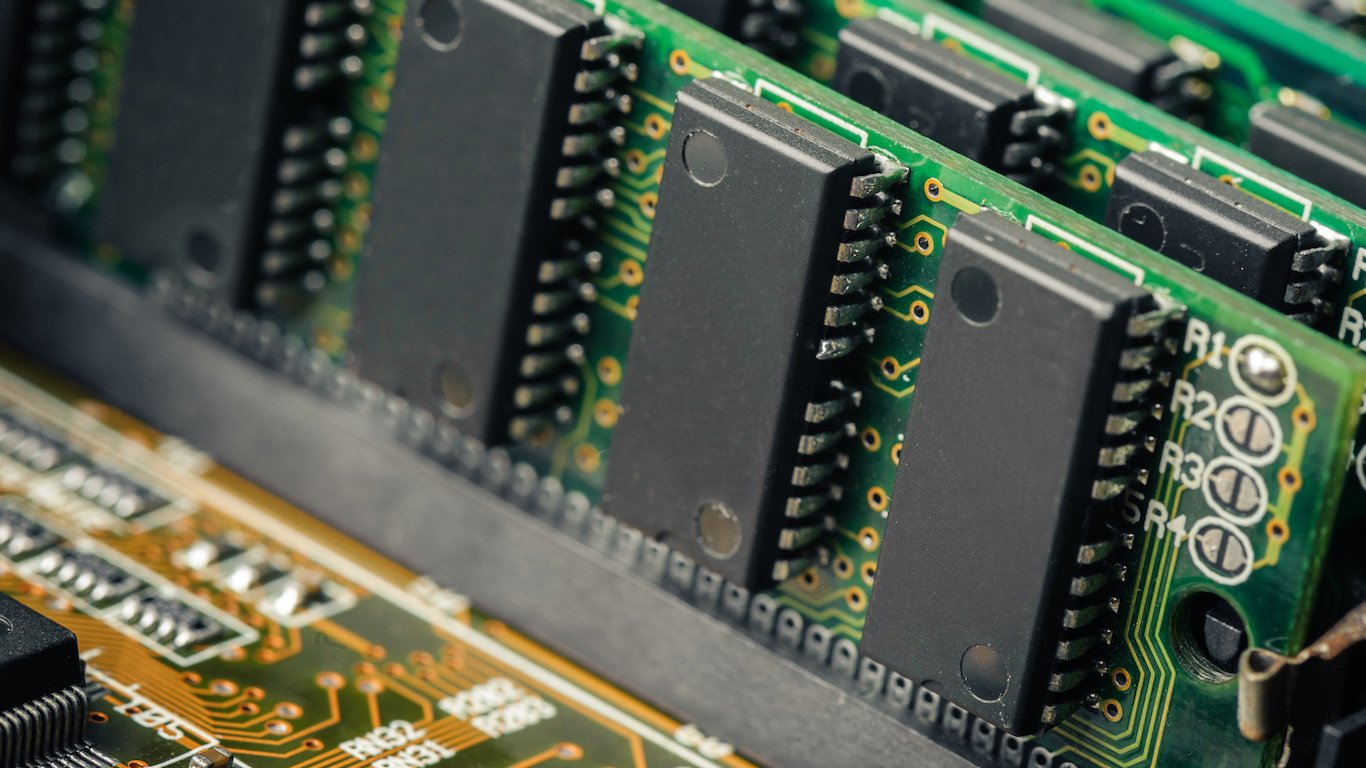
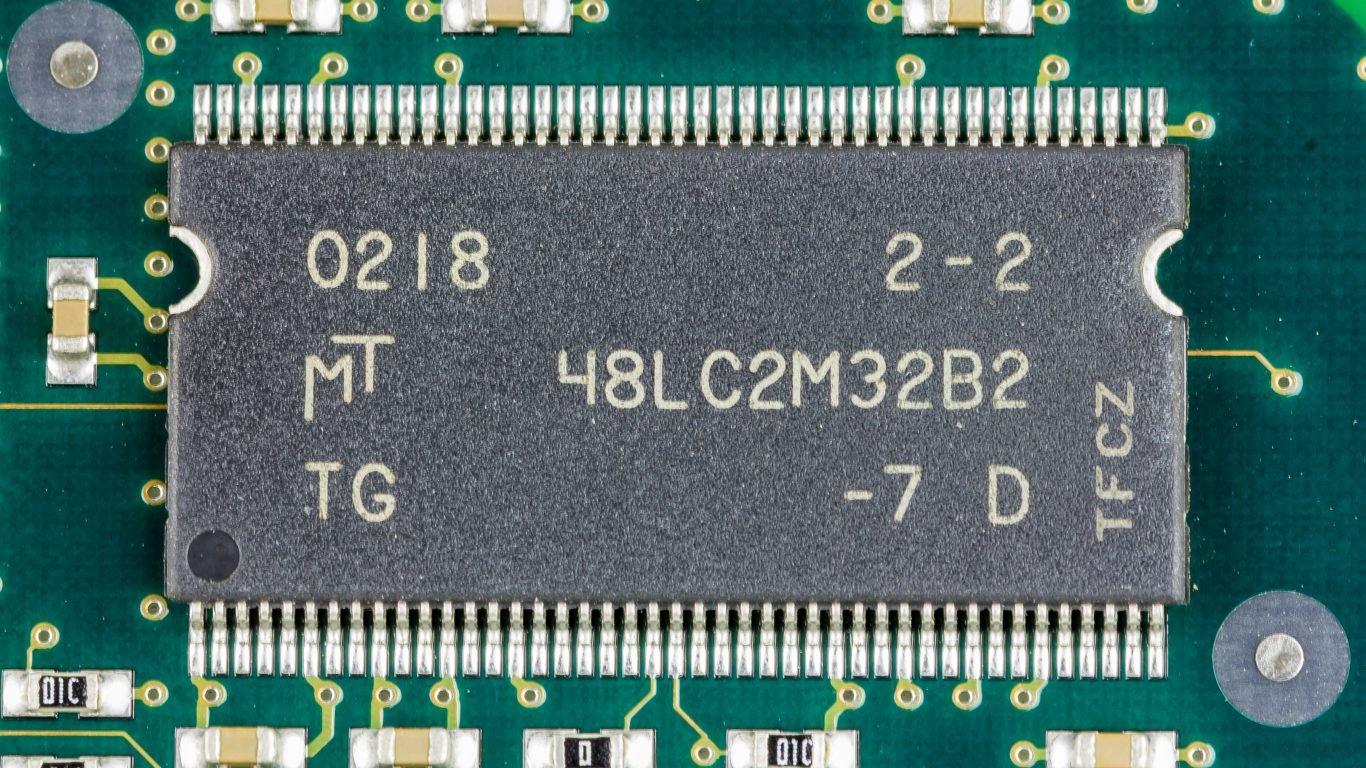
What separates Micron from both peers is the product. The company makes dynamic random-access memory (DRAM), NAND flash and high-bandwidth memory (HBM) that works directly alongside AI processors. Following the spinoff of its flash business, Western Digital is a pure-play HDD company, while Seagate builds its drives around its heat-assisted magnetic recording (HAMR) Mozaic platform.
What Micron Needs to Reclaim $1,000
Micron’s road back to $1,000 likely requires firm memory pricing, strong guidance at the company’s next report, and evidence that AI spending is still growing. A high bar is already in place, since Micron’s latest guidance calls for Q1 FY2027 revenue of $61.5 billion[2], plus or minus $1.5 billion, and adjusted earnings per share of $38.15, plus or minus $1. That outlook followed the company’s Q4 revenue of $54.23 billion[2], up 379.3% year over year.
Most of Micron’s fiscal 2027[3] shipments are already committed, according to management, with customer allocation talks reaching into 2028. UBS struck a constructive note too. The bank wrote, “We do not think that the economic expansion, corporate earnings cycle, or structural AI investment story has broken.” Wall Street’s consensus price target of $1,561.91 serves as the bull-case marker for Micron.


Micron’s $1,000 Question Comes Down to AI Returns
The bulls can point to committed shipments, long-term customer agreements and a supply picture that Micron’s management calls tight through 2028[3]. The next test for Micron is whether its next outlook confirms that pricing is holding up.
UBS’s warning about valuations built on persistent bottlenecks gives the bears their cleanest argument against Micron, especially if memory pricing moderates. Riding an AI mania is fine while it runs, but planning the exit matters just as much, something we covered in a free handbook here: The Bubble Survivor’s Handbook. Rate hikes could add pressure, and the steep slides at Western Digital and Seagate suggest a rebound may need the whole group to steady. So, a conservative investment approach may be wise until the AI spending return question resolves.
Contact [email protected] for any questions or corrections.
David Moadel is financial writer specializing in stocks, ETFs, options, precious metals, and Bitcoin. David has written well over 1,000 articles for leading online publications, helping investors understand markets, income strategies, and risk. His work has appeared in 24/7 Wall St., The Motley Fool, InvestorPlace, U.S. News & World Report, TipRanks, ValueWalk, Benzinga, Market Realist, MarketScreener, TalkMarkets, Finmasters, and others. With a master’s degree in education, David has taught at the elementary, high school, and college levels. That teaching background shapes his writing style: clear, educational, and practical. David has also built a loyal social-media audience by providing trustworthy financial content on YouTube, X/Twitter, and StockTwits.