SpaceX Gets the First U.S. Approval for Data Centers in Space

This post may contain links from our sponsors and affiliates, and Flywheel Publishing may receive compensation for actions taken through them.
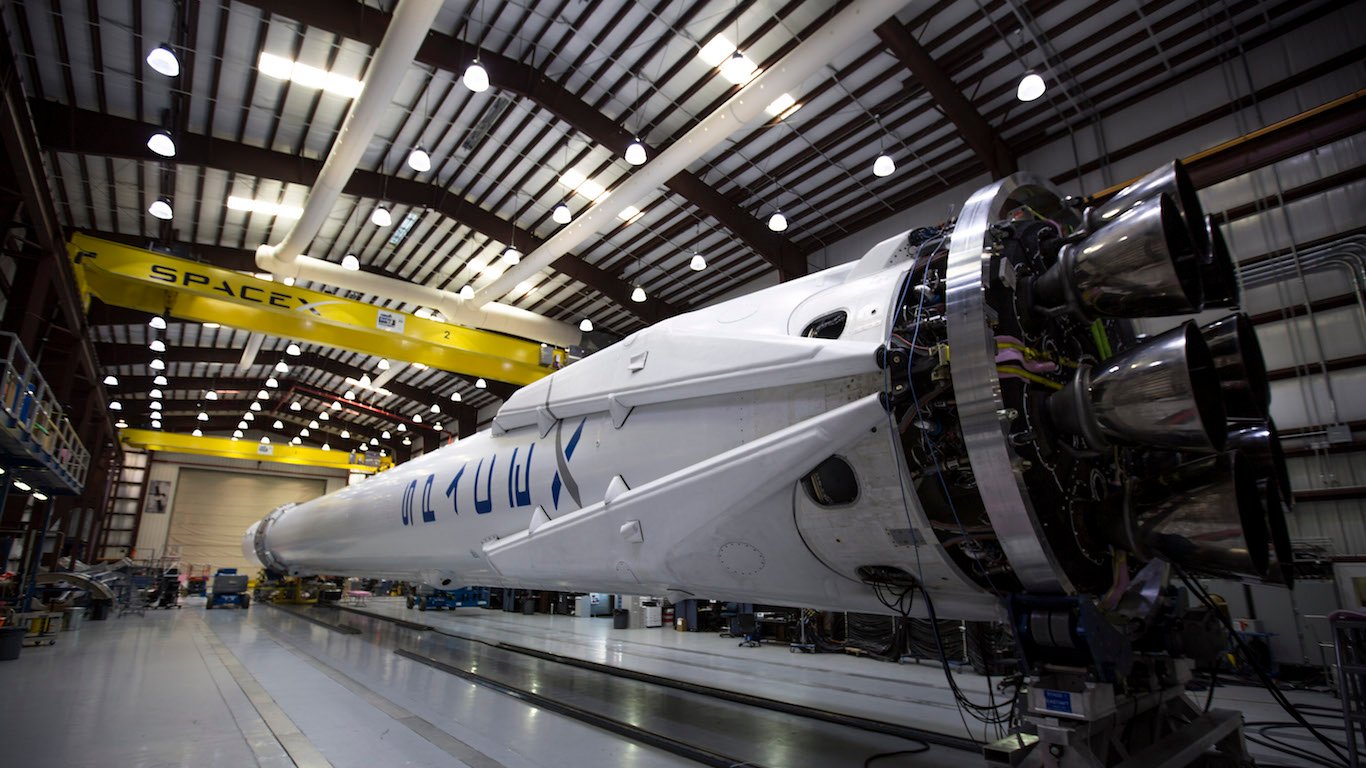
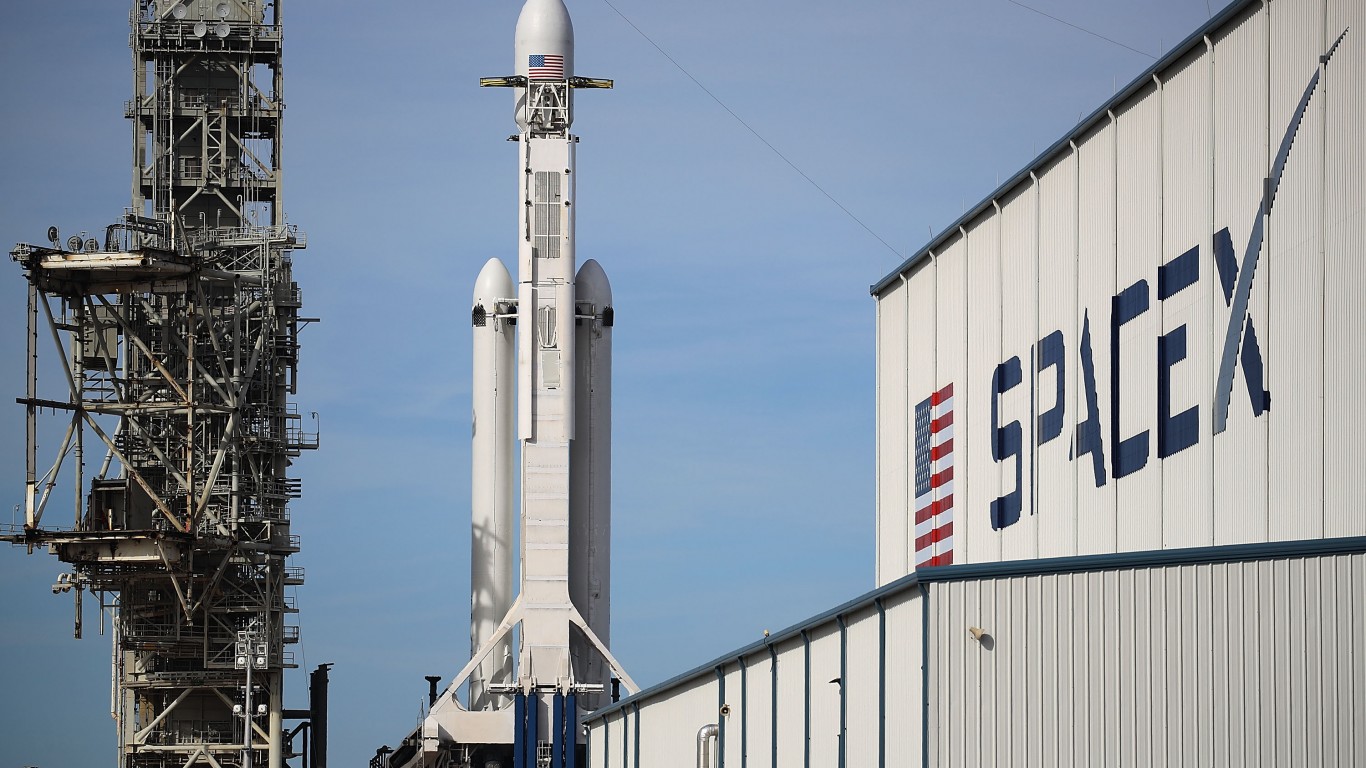
SpaceX (NASDAQ:SPCX | SPCX Price Prediction) has no orbital data center in service, but it now holds permission to launch up to 1,000,000 of them. The Federal Communications Commission said on November 25, 2026, that it had “granted the first authorization in U.S. history for a constellation of data centers in space”. The order covers SpaceX’s planned orbital data-processing network, which is called Starmind.
Shares of SpaceX closed at $127.44, up 1.30%, or $1.63, and traded at $128.96 after hours. The stock hit a morning low of $112.93, more than 10% below Tuesday’s $125.81 close, but that low came before the news broke. Nothing links the recovery to the order.
For a $1.73 trillion company, the order is a head start on regulators. It clears satellites without launching any, though, and the first working satellite isn’t required until November 25, 2033.

What SpaceX Won
The order grants SpaceX’s January 30, 2026 application in part, puts off a decision on another part, and adds conditions. The satellites would fly between 500 kilometers and 1,002 kilometers up and would communicate mainly by laser links with Starlink satellites. Ka-band radio is licensed only for backup and emergency control.
SpaceX must have 10% of the constellation working by November 25, 2035, 50% by November 25, 2038, and all of it by November 25, 2040. If it fails to meet those dates, the grant becomes “null and void.”
The FCC put off SpaceX’s request to dispose of some retired satellites flying above 600 km by sending them into other orbits instead of bringing them back into the air. SpaceX has 30 days to turn the grant down.
Why SpaceX Wants Computing in Orbit
On the October 20 earnings call, Elon Musk said the main limit on AI computing is “more in power, cooling, and infrastructure than it is in chips.”[1] Some low orbits get near-continuous sunlight for solar power. Cooling hardware at that scale is still unproven, though, because heat does not spread easily in a vacuum (GAO).
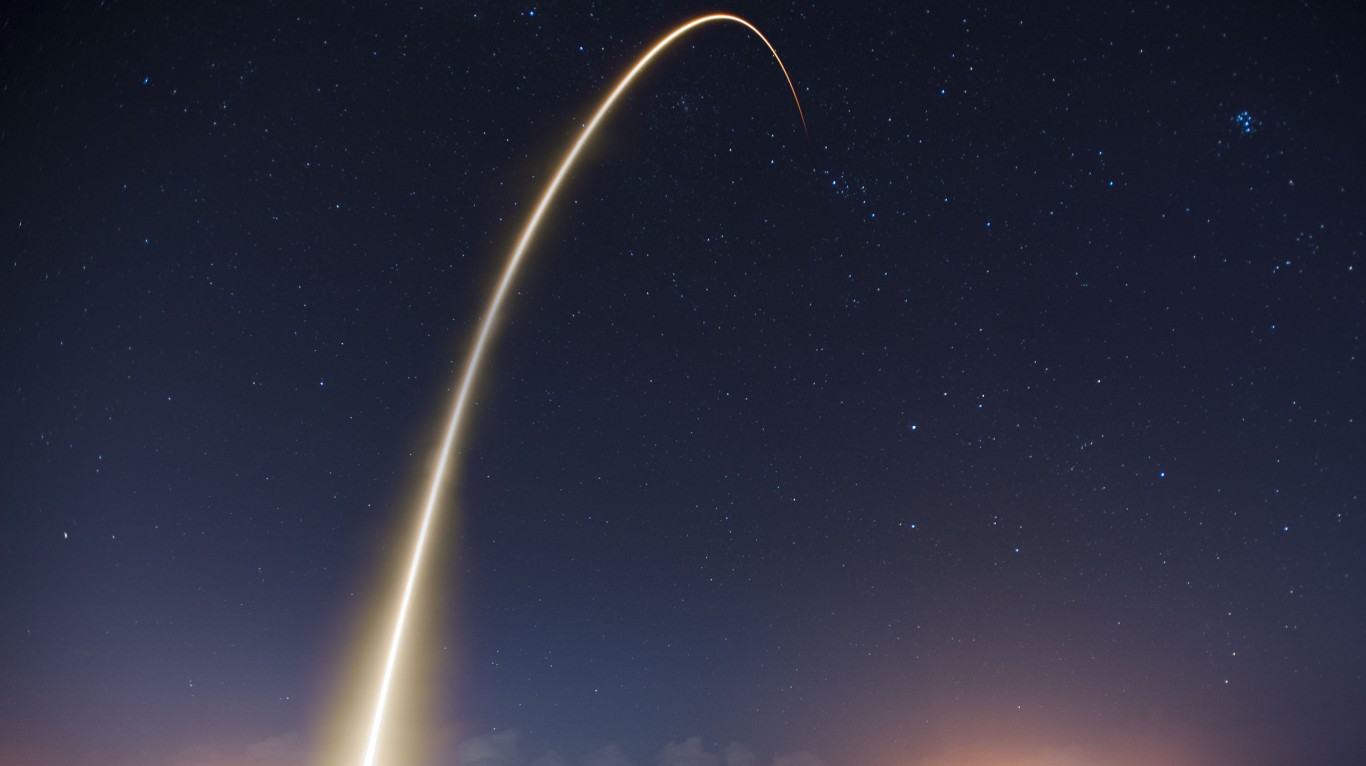
SpaceX already has cheap launches and a Starlink laser network to connect the satellites. It plans to start flying Starmind satellites in 2027[1], each carrying “Nvidia Rubin GPUs and Vera CPUs.”
For now, Starmind adds nothing to sales. The AI segment’s third-quarter revenue of $7.60 billion[2], up 830%, came entirely from data centers on the ground.
Rivals Are Still Waiting, and Critics Lost
The order said petitions to deny filed by Viasat (NASDAQ:VSAT), the American Astronomical Society and Kuiper Systems, the Amazon Leo unit of Amazon (NASDAQ:AMZN), “are DENIED.” Amazon fell 3.12% to $244.43, and Viasat rose 0.91% to $61.01.
Applications from Blue Origin for 51,600 satellites, Starcloud for 88,000 and Cowboy Space for 20,000 are still under review. Even so, the FCC turned down the request to “substitute the government’s judgment” on whether the business can make money.
There are just over 11,000 Starlink satellites in orbit and about 17,000 satellites of all kinds circling Earth, and operators often ask for far more than they ever launch.
How Starmind Fits the Valuation
The stock’s close was about 43% below its 52-week high of $225.64. SpaceX expects fourth-quarter capital spending of $35 billion to $40 billion[1] on ground-based computing alone, before it spends anything significant on Starmind.

Musk replied on X on November 25, 2026: “Much appreciated. This will be a great asset to America and the world.” For investors, the grant has value as an option on a possible future business that has yet to contribute to earnings.
What Investors Should Track Before Starmind Flies
SpaceX’s near-term growth case rests on its ground-based computing business, with Starmind a much smaller piece of it. The company is guiding to first-quarter 2027 revenue of $33 billion to $40 billion[1], and that growth comes from data centers already being built.
You can test this view against two events. First, check whether SpaceX holds the grant past its 30-day window. Second, check whether a Starmind satellite actually flies in 2027[1]. If it doesn’t, the orbital story deserves no premium in the stock price.
Contact [email protected] for any questions or corrections.
Omor Ibne Ehsan is a writer at 24/7 Wall St. He is a self-taught investor with a focus on growth, cyclical, and dividend equities that have strong fundamentals, value, and long-term potential. He also has an interest in high-risk, high-reward investments such as penny stocks.